Fake Banner
Environmental Groups Back In Court To Help Fellow Rich White People

The Usual Suspects of the anti-science movement, Center for Biological Diversity(1), Environmental...
Batteries Are Stuck In The 1990s Because Solid-State Batteries Keep Short-Circuiting

The electric car industry is held back by reliance on conventional energy. Despite spending trillions...
Dogs Have Been 'Man's Best Friend' For 14,000 Years

The bond between humans and dogs is one of the oldest stories in anthropology. It may also be a...
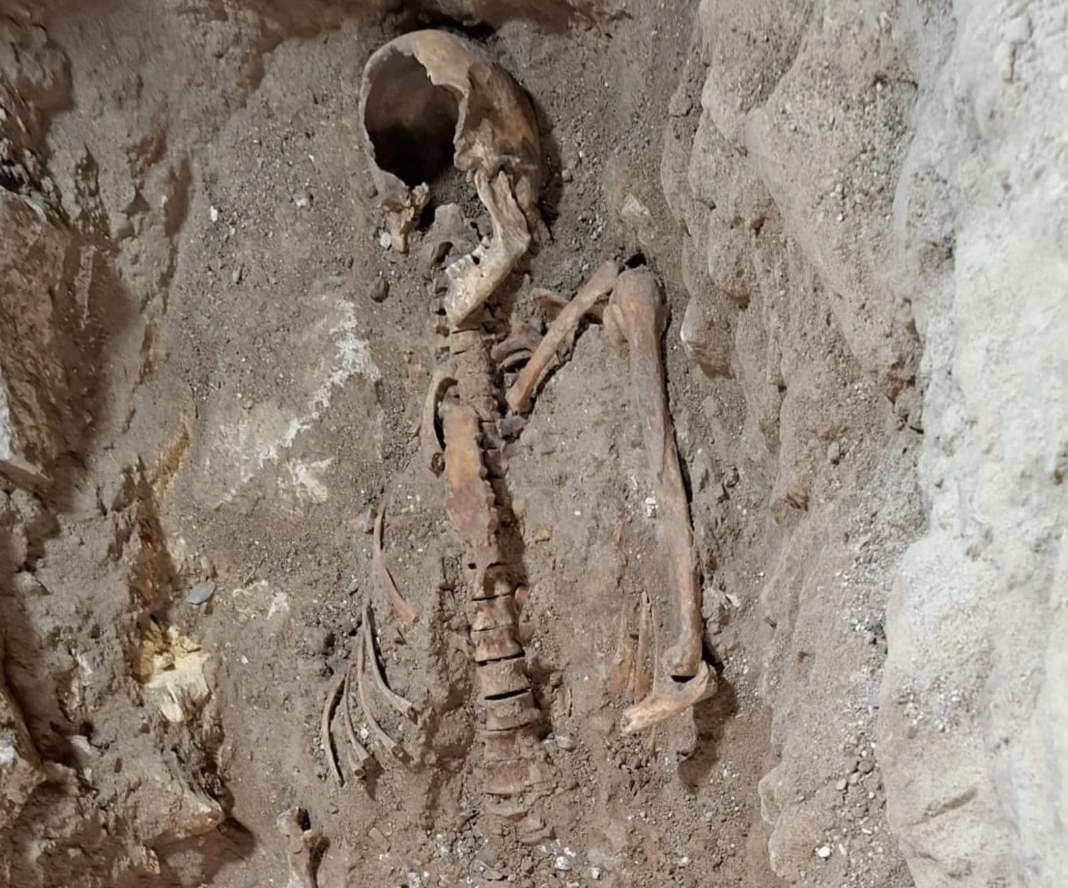
Is This The D'Artagnan Made Famous In 'The Three Musketeers' By Dumas?

“I have lost D’Artagnan, in whom I had every confidence,” wrote King Louis XIV to his Queen...

User picture.
picture for Tommaso Dorigopicture for Fred Phillipspicture for picture for Hontas Farmerpicture for Atreyee Bhattacharyapicture for Patrick Lockerby
Hank CampbellRSS Feed of this column.

I founded Science 2.0® in 2006 and since then it has become the world's largest independent science communications site, with over 300,000,000 direct readers and reach approaching one billion. Read More »

Blogroll
Congressman Raul Grijalva, (D-Arizona), has some interesting ideas about science.

Namely, he thinks that all of the government scientists in the State Department who did numerous environmental impact assessments regarding the Keystone XL project don't know what they are talking about. And that he can prove it with a few rocks.
If you want to have a good time, visit Spain. 

It isn't just the tapas. They have bars. A lot of them.  The average is one bar for every 132 residents. For comparison, the US state with the most bars per capita is North Dakota - one for every 1,620 North Dakotans. The lowest region in Spain, Murcia, has one bar for every 531 people, three times as many bars as the booziest state in the US. (1)

And that's after 50,000 bars in Spain have closed due to the lousy economy.
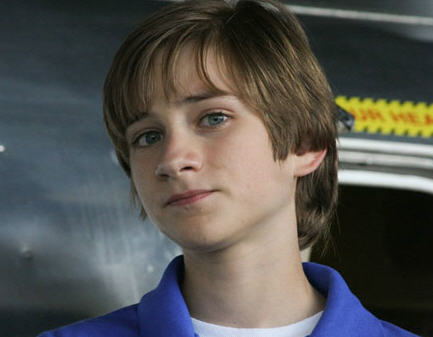
It's not often that the Hallmark Channel gets a shout-out on Science 2.0 but when they send young people into space, I'm in. I got an email about an upcoming movie and it intrigued me so the publicist not only put me in touch with interesting people to interview, they sent along an exclusive clip just for you.  Bonus: There is also a sweepstakes and we all love to win free stuff.
Everyone says they care about science. And everyone says they care about developing nations.

Chocolate may be instrumental in deliciously helping people care about both. Ivory Coast, the world’s top cocoa producer, has a problem; young people are turning to other crops or giving up on small farms because they can't improve yields enough to make their cocoa holdings worthwhile. The choice is lose out on a cultural heritage or turn everything over to giant corporate farms.

Does more food labeling related to calories and nutrition make a difference? 

About one third of American kids and teens is overweight or obese, nearly triple the rate in 1963, making it a much bigger health concern than smoking or drug abuse. Meanwhile, a paper in the Journal of Public Health says obese kids are more likely to be paying attention to calorie information in restaurants.  40 percent of kids aged 9-18 read calorie information yet 33 percent are overweight.

What gives?

I generally didn't have much of an issue with the intent behind the High Quality Research Act.