In the immortal Richard Donner classic "Scrooged", the following exchange takes place between Frank, the president of the network, and his boss, Preston:
Preston: Do you know how many cats there are in this country?
Frank: No, ummmm...I don't have...no.
Preston: Twenty-seven million. Do you know how many dogs?
Frank: ...in America?
Preston: Forty-eight million. We spend four billion on pet food alone.
Frank: Four...?!
It's rare that you will find me arguing for gender quotas. Obviously I am not for discrimination but, at least in science, mandating representation - which is discrimination against the qualified in the interests of sex organs - does not lead to better science, it leads to equality at the expense of excellence.
Economics, however, is not science and some mandated equality might help. Science says so.
Conservatives, who generally agree on the value of individual freedom, want the government to limit marijuana. Progressives, who generally agree on the value of big government, don't want the government to limit marijuana.
Conservatives, who generally agree on the merits of capitalism, like genetically modified organisms, as long as they aren't researched using human embryonic stem cells and curing people of serious illnesses. Progressives, who generally dislike capitalism unless it is the magical sort that works in a world where regulation of fossil fuels and mandates and subsidies for lousy alternative solutions from 1600 A.D. will still allow capitalism to flourish, dislike genetically modified organisms because they hate science.
Quantum entanglement was strange when it was conceptualized. It violated Einstein's famous speed limit in his Theory of Relativity and he called it
spukhafte Fernwirkung - “spooky action at a distance” and sought to note the flaws in
Heisenberg's uncertainty principle and the
Copenhagen interpretation. The result was the Einstein–Podolsky–Rosen paradox.
Addiction is a beast, I am told. Perhaps I am addicted to coffee - I have given it up on occasion for a few months, like I have meat, pastas and breads, but never quit like people quit smoking or heroin. If it's my only vice, and it would seem to be, that is likely not so bad.
Pathology is something else. Some people say addiction is a disease, as in people who pathologically lie. What about pathological coffee drinking?
Writing at the Washington Post's Capital Weather Gang blog, Jason Samenow
advocates an idea he recently saw pitched by atmospheric scientist Alan Betts, namely that science studies be accompanied by layperson explanations.


 Environmental Groups Back In Court To Help Fellow Rich White People
 Batteries Are Stuck In The 1990s Because Solid-State Batteries Keep Short-Circuiting
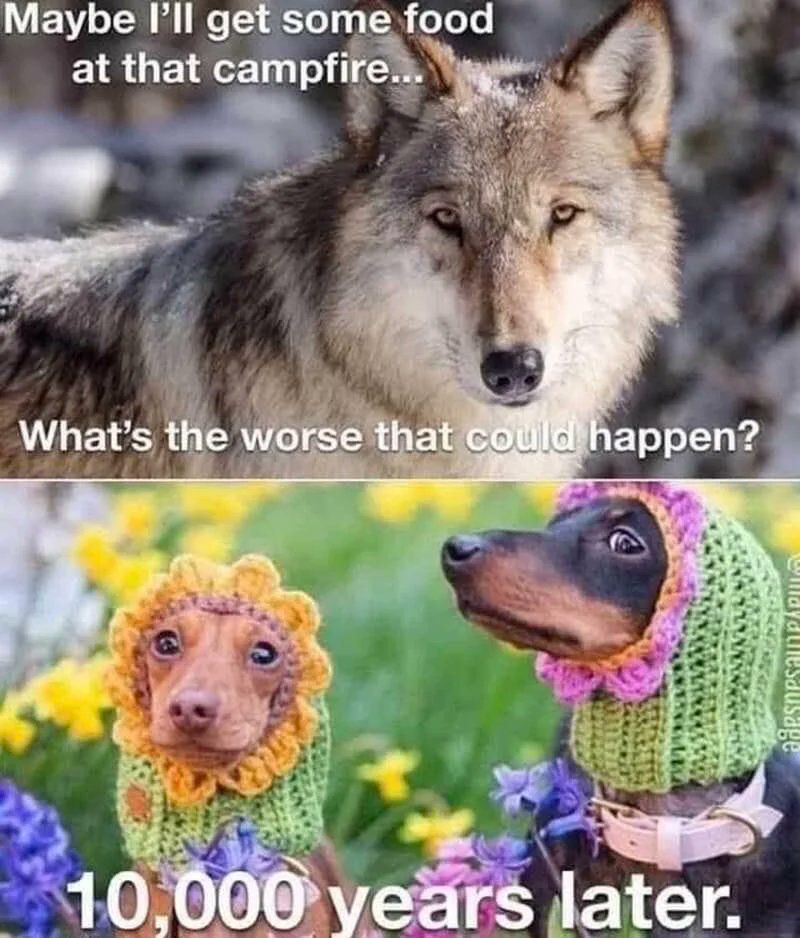 Dogs Have Been 'Man's Best Friend' For 14,000 Years
 Is This The D'Artagnan Made Famous In 'The Three Musketeers' By Dumas?