Fake Banner
Blood Pressure Medication Adherence May Not Be Cost, It May Be Annoyance At Defensive Medicine

High blood pressure is an important risk factor for developing cardiovascular disease and premature...

On January 5th, Don't Get Divorced Because Of Hallmark Movies

The Monday after New Year's is colloquially called Divorce Day, but it's more than marriages ending...

Does Stress Make Holidate Sex More Likely?

Desire to have a short-term companion for the holidays - a "holidate" - is common enough that it...

To Boomers, An AI Relationship Is Not Cheating

A recent survey by found that over 28 percent of adults claim they have an intimate, even romantic...

User picture.
picture for Fred Phillipspicture for Hontas Farmerpicture for Tommaso Dorigopicture for picture for Patrick Lockerbypicture for Ilias Tyrovolas
Hank CampbellRSS Feed of this column.

I founded Science 2.0® in 2006 and since then it has become the world's largest independent science communications site, with over 300,000,000 direct readers and reach approaching one billion. Read More »

Blogroll
Raw milk is not a cure for any disease, it's actually more like a disease vector. It has no benefit to anyone, and I say that as a kid who drank it regular, and has a great deal of risk.

But the anti-science, anti-vaccine, anti-gmo, pro supplement community latched onto this, even for autism, and it became so popular FDA actually had to issue a statement telling people it's not real.  

In two years, not much has changed. Raw milk still won't be a treatment for autism, nor will raw camel milk, or any milk. It's nonsense, and embarrassing in a country that proudly claims world leadership in adult science literacy.

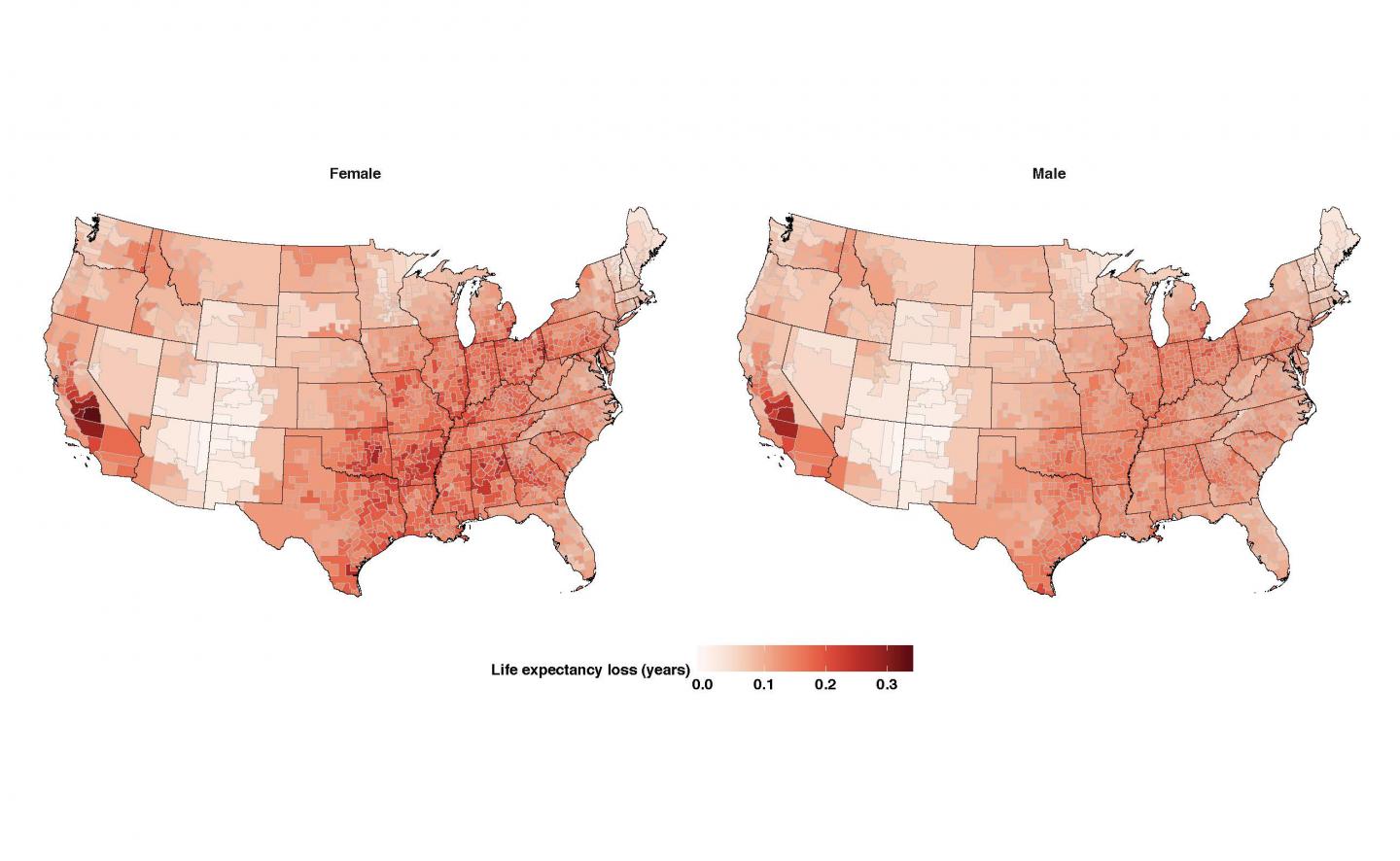
With air pollution a distant memory outside some pockets in the United States (or during wildfires), the U.S. EPA oddly embraced one paper, which they had not seen any data for(1), claiming that particles so small they could only be detected with an electron microscope, 2.5 microns in size, were killing people.

Data didn't show it, but it doesn't matter and that is the great thing about modern epidemiology. In this decade, epidemiologists only need to show a statistical correlation and then they get media coverage and hand it off to scientists and tell them to prove it. It's sort of like theoretical physicists claiming they can show time travel or a multiverse and the incompetent noobs in experimental physics need to drop everything and prove them right. 
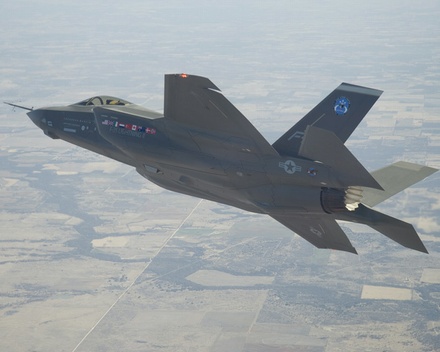
If I have a choice between an emissions-belching factory near my home or clean, high-paying jobs from a diverse group of educated people 13,000 feet above where citizens live, I am siding with science.

This is why while I was a successful environmental fundraiser, many of their positions made no sense to me, even when I was young and naïve. Many of the positions I was supposed to believe in weren't about the environment, they were about manufacturing hype to raise money. Hawaiʻi's Thirty Meter Telescope is another example where it is not about the environment - 13 observatories and telescopes have been there for over 40 years - and it is also not about the next tactic after the environmental argument failed - religion. 
The 50th anniversary of the Apollo 11 moon landing is getting a lot of coverage, and it's well-deserved. It was a bold Cold War adventure, it cost a fortune,(1) and it succeeded.

As a former Army officer during the Cold War it's hard to imagine anyone missing it,(2) but it was a necessary component. We never would have done it without a sense of paranoid purpose. There was no reason to do it outside geopolitics.(3)  
The most disgusting thing about cigarette smoking for most isn't the smoke, nor is it the prospect of toxic carcinogens causing cancer in smokers the rest of us will end up subsidizing, it is that smokers often throw their garbage on the ground afterward and expect someone else to pick it up.(1) 
The number one killer of honeybees is not pesticides, despite expensive marketing campaigns by environmental groups trying to claim that is the case (1), and it isn't even the very lucrative industry of trucking bees around to engage in artificial pollination for crops like almonds, which leads to shock from being in new places.