Fake Banner
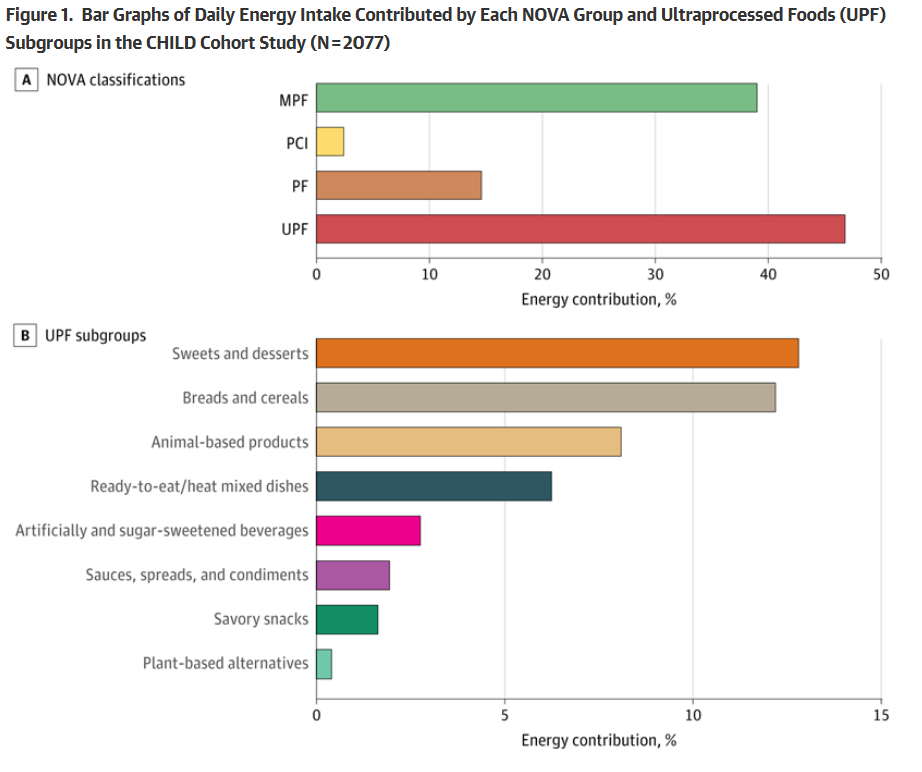
Canadian Epidemiologists Claim Processed Foods Cause Bad Kids

A cohort analysis of preschoolers in Canada has led the authors of the paper to call for bans...
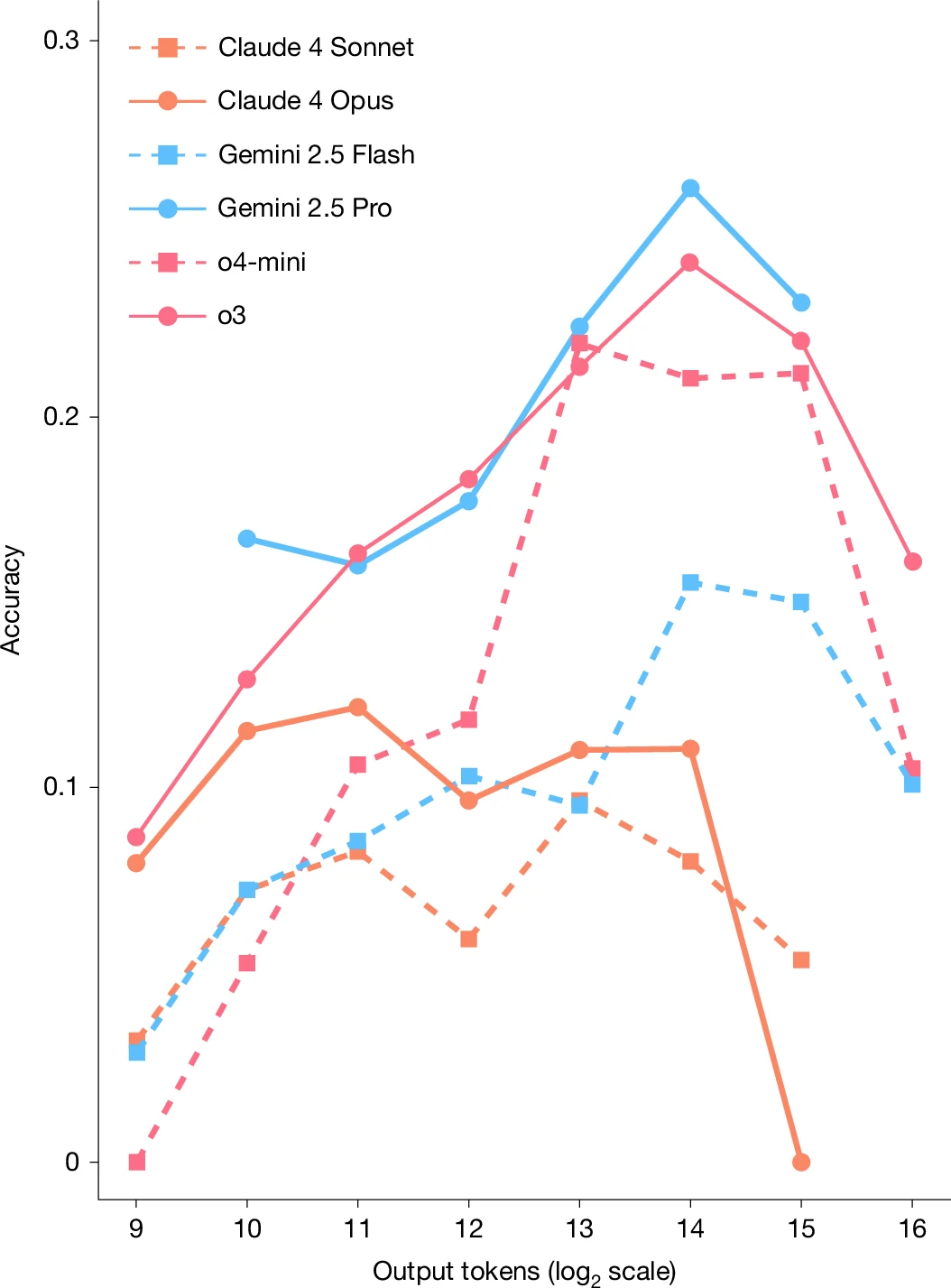
What AI Can't Do: Humanity’s Last Exam

By this time 26 years ago, the "Dot-Com Bubble" was ready to burst. People who wanted to raise...

Does NBA Income Inequality Impact Team Performance?

A new paper says that players where a few superstars get the money leads to less cooperation and...

Dogs And Coffee: Finally, Epidemiology You Can Trust

In 2026, it is easy to feel intellectually knocked around by all of the health claims you read...

User picture.
picture for picture for Tommaso Dorigopicture for Fred Phillipspicture for Hontas Farmerpicture for Atreyee Bhattacharyapicture for Patrick Lockerby
Hank CampbellRSS Feed of this column.

I founded Science 2.0® in 2006 and since then it has become the world's largest independent science communications site, with over 300,000,000 direct readers and reach approaching one billion. Read More »

Blogroll
String Theory, stem cells, epigenetics, antioxidants, they've all been important basic research that got exaggerated beyond recognition, which got media attention, which got people rushing into the fields and led to even more papers making increasingly cosmic claims until the public stopped believing any of the hype, which is where they should have been all along.

Make way for the microbiome. What was once a goofy yogurt claim - as if your trillions of bacteria were going to be impacted by a half cup of overpriced dairy goop - became mainstream supplement gold.

Though "medical" marijuana has long been available to much of the public, to the medical community it's been a joke. For example, over 60 percent of pain patients are older women, but the majority of medical marijuana users who got it for pain were young men. It's a nice non-specific system on a subjective scale so it became an easy route to get legal access to a drug.

And it is a drug, it does things to receptors, but what they are really accomplishing is unclear.
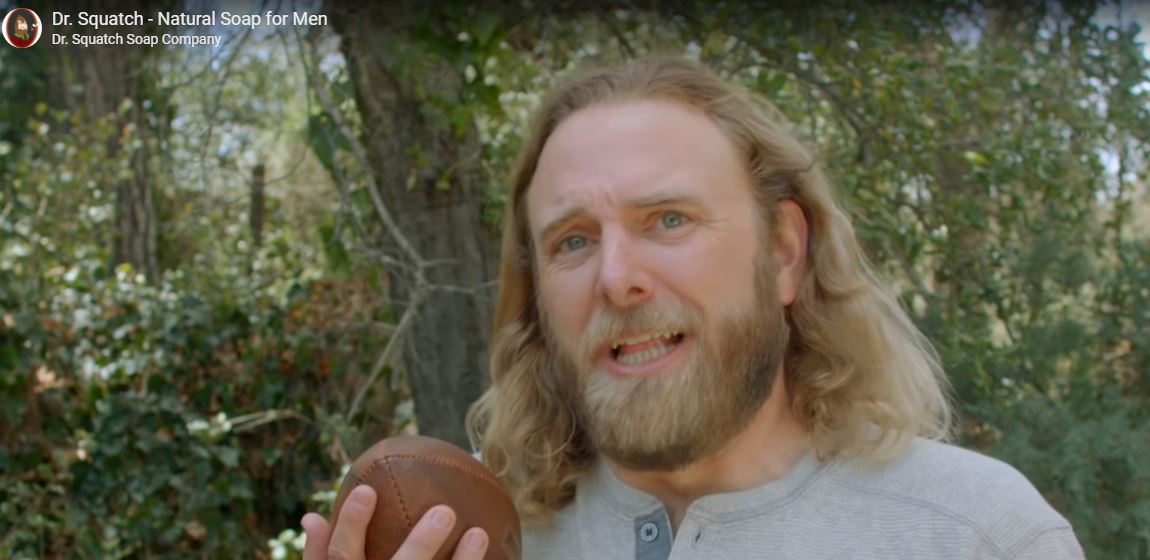
Urban beards are all the rage this decade, often worn by men in Euroweenie tight suits who want to hearken back to older times, when men were manly and not afraid of science.

Not so today. If you wear a beard now, it means you want to look masculine while virtue signaling that removing certain chemicals in soap will prevent your erectile dysfunction.

In reality, such men probably needn't worry, women are swiping left because most don't want to date someone who looks ready for a Civil War re-enactment but they suspect has a bathroom filled with vegan skin care goop.


Not a Dr.
What is old hype is new again, which is to say population bombs, starvation in Africa, nuclear plant meltdowns, and atomic destruction because an aggressive American president makes a wholesome dictator in Russia nervous and nuclear bombs start going off.

These recurring doomsday narratives follow a predictable cycle:

1) Hysterical activist with a credible title engages in crisis inflation
2) It gets New York Times coverage and a whole bunch of other people talk about it
3) A few questionable academics jump on the bandwagon
4) Serious scientists debunk it, to little public acclaim
5) The original scientists back off
6) All the old critics die off
7) A new generation of activists claim it was not a myth
The U.S Government Accountability Office (G.A.O.) has had NASA on its High Risk list since 1990, due to persistent cost inflation and missed schedules of its programs.

Long before banks and General Motors set out to become "too big to fail", NASA had made it a core value.  There is no better example of how far NASA has fallen from the can-do group that gave us the Apollo program than the James Webb Space Telescope fiasco.

First proposed and funded in 1996 as the successor to Hubble, by 2002 they had told Congress that 11 years - longer than it took for the Apollo Program to put man on the moon from scratch - was not going to be enough time to send a mirror outside our atmosphere.
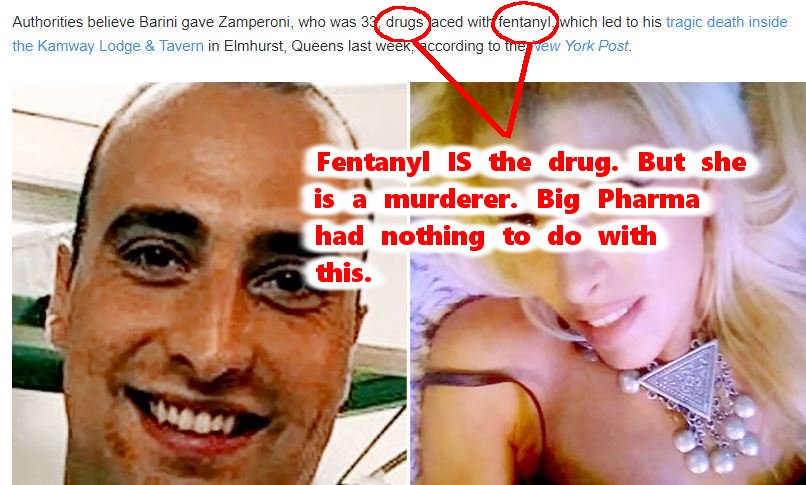
Though Johnson  &  Johnson and Purdue Pharma are on the hook for big judgments due to their marketing practices related to opioids, claims that they "created" an opioid epidemic are the scientific equivalent of fat shaming people if you don't like Burger King commercials.

Attorneys will claim it, they will get thousands of people to sign up as litigants, and juries will agree with the emotional arguments they hear, but that has nothing to do with science or health. In appeals cases, science data is used, which is why so many spectacularly ridiculous judgments (like baby powder or a weedkiller magically causing cancer) get overturned.