Fake Banner
Canadian Epidemiologists Claim Processed Foods Cause Bad Kids

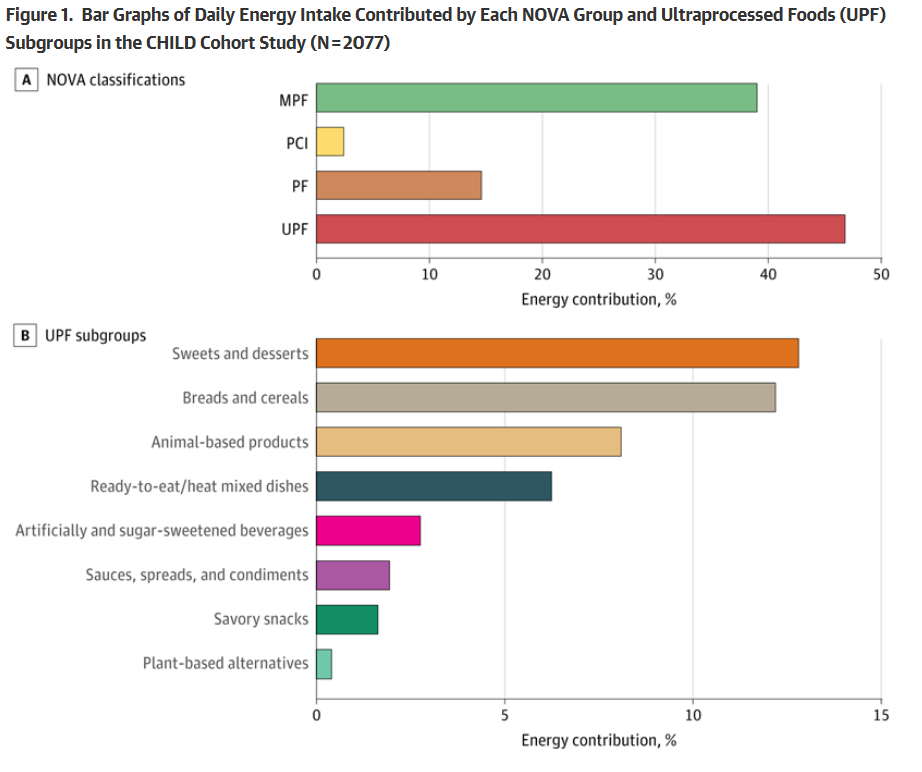
A cohort analysis of preschoolers in Canada has led the authors of the paper to call for bans...
What AI Can't Do: Humanity’s Last Exam

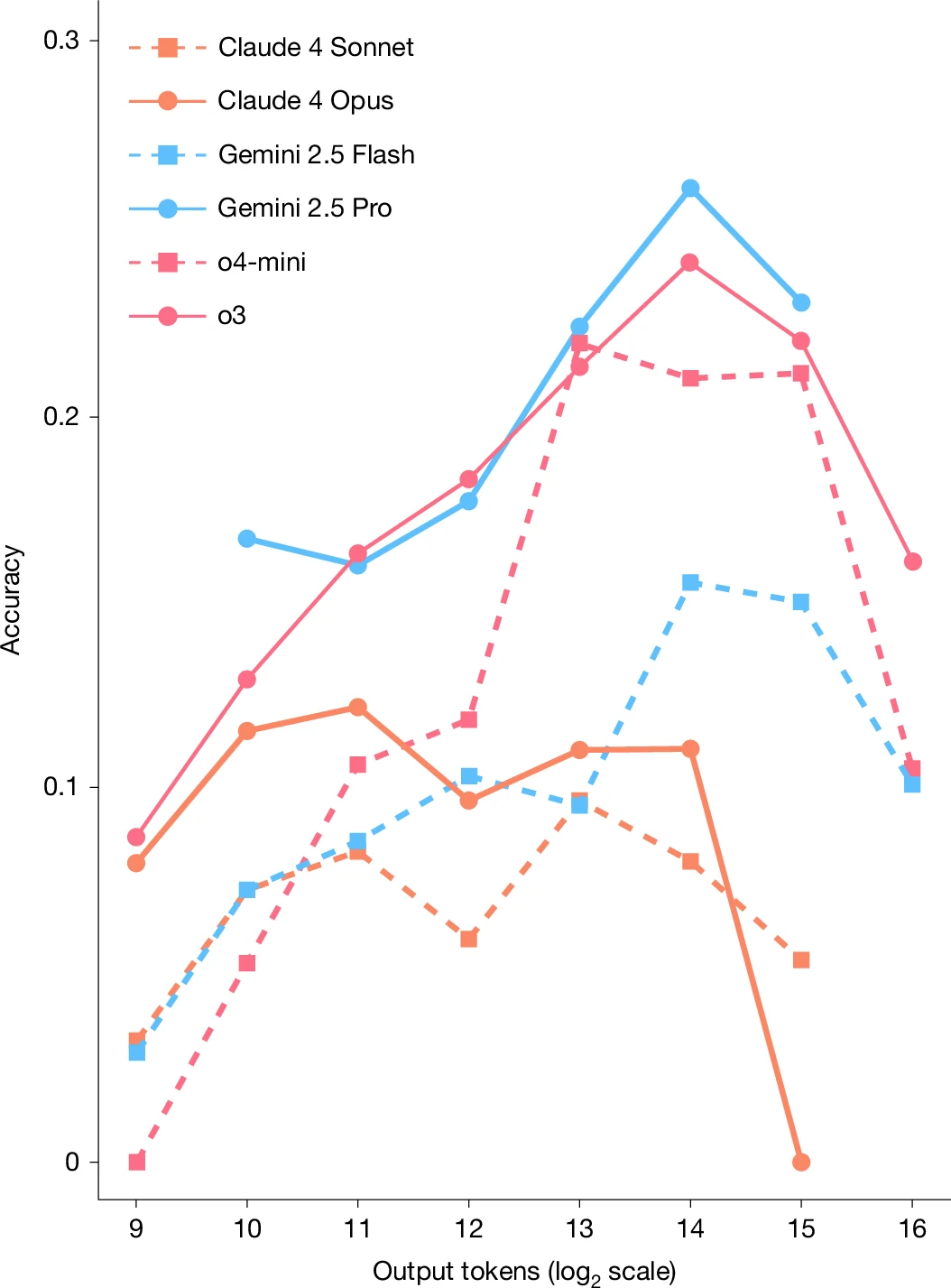
By this time 26 years ago, the "Dot-Com Bubble" was ready to burst. People who wanted to raise...

Does NBA Income Inequality Impact Team Performance?

A new paper says that players where a few superstars get the money leads to less cooperation and...
Dogs And Coffee: Finally, Epidemiology You Can Trust

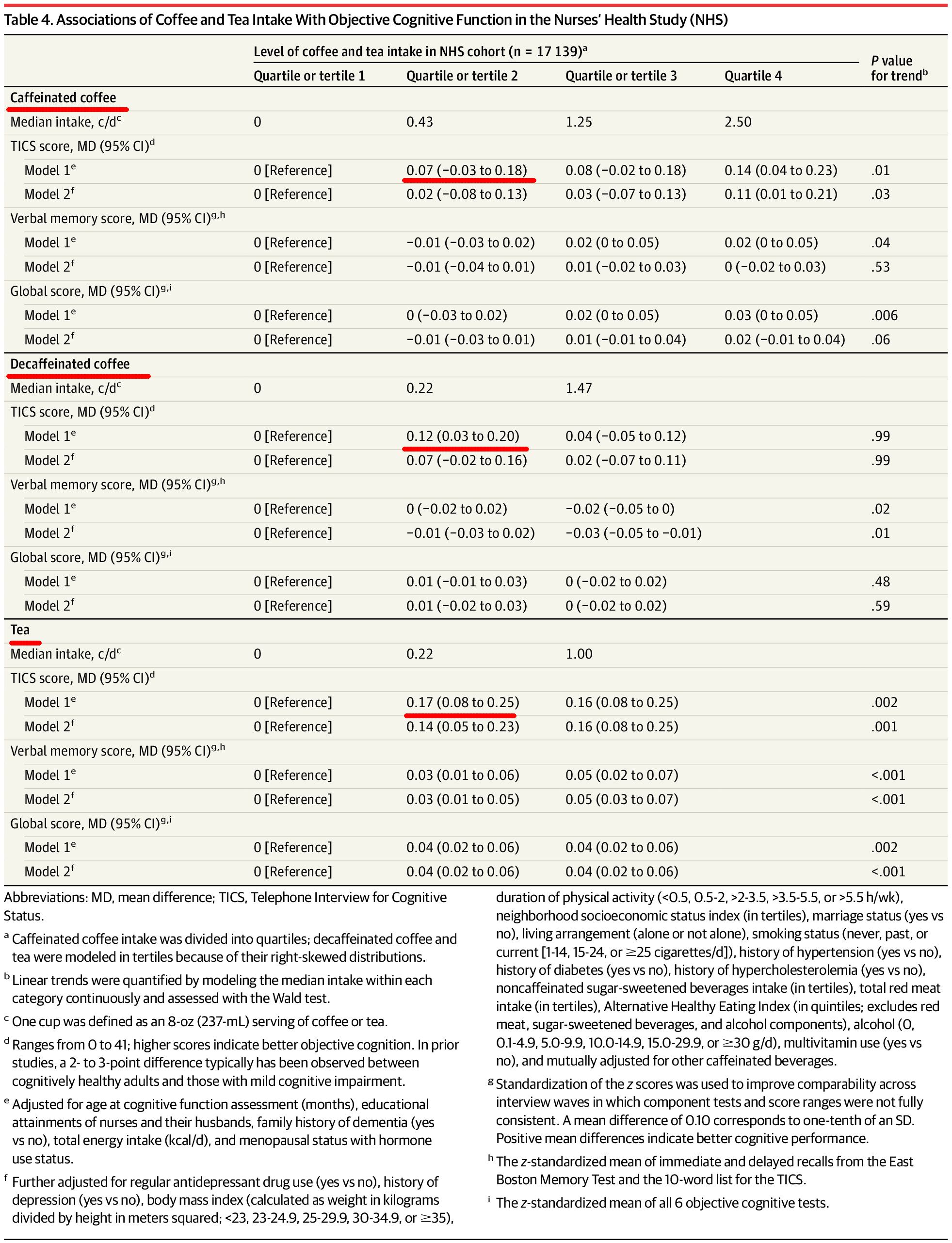
In 2026, it is easy to feel intellectually knocked around by all of the health claims you read...

User picture.
picture for picture for Tommaso Dorigopicture for Fred Phillipspicture for Hontas Farmerpicture for Atreyee Bhattacharyapicture for Patrick Lockerby
Hank CampbellRSS Feed of this column.

I founded Science 2.0® in 2006 and since then it has become the world's largest independent science communications site, with over 300,000,000 direct readers and reach approaching one billion. Read More »

Blogroll
One thing that makes the science community spit its Fresca out its collective nose is the organic industry's claims to be more natural than conventional.

Mutagenesis, where seeds are literally dunked in chemical and radiation baths in hopes to get a good mutation, is placed under the organic halo (along with 50 synthetic ingredients exempted because there is "no organic alternative") but if one gene is moved from a Pacific Salmon to an Atlantic salmon so the latter grows faster, it is Frankenfish to environmental lawyers. 
Some mosquito species, such as Aedes aegypti, have been able to weave their way through evolutionary time despite having no ecological value, basically being just delivery mechanisms for things like Dengue fever, the most common vector-borne disease in the world.

We could wipe them out and the rest of the ecosystem would be just fine but environmentalists have promoted a lot of fear about science-based mitigation approaches, like a male mosquito rendered sterile, and they hate pesticides more than they love poor people, so that leaves...clothes?
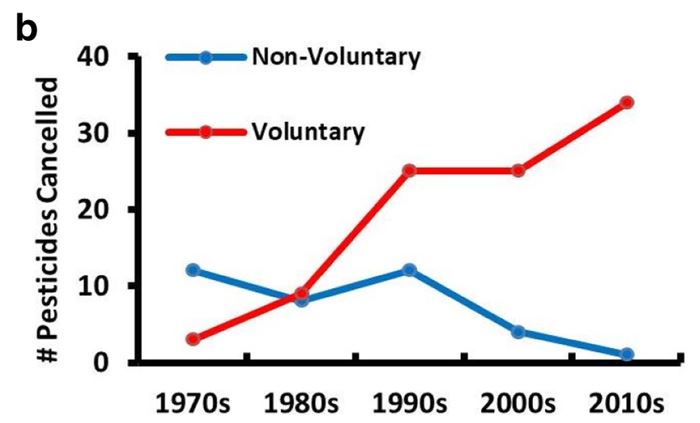
China bans some chemicals whether or not the evidence shows it, and the United States should be more like communist dictatorships, suggests a Center for Biological Diversity blogger in a press release for their latest op-ed in Environmental Health.
A new scaremongering story about food and cancer is making the rounds but before you run off to find comfort in the arms of Mark Hyman, Mehmet Oz, or Joe Mercola, keep one thing in mind.

This is in mice. This stuff is always in mice or a statistical correlation, which means without real science showing it in humans, it is not relevant to humans.
I didn't even know Scientific American Blogs still existed. They do, they were just irrelevant and no one remembered until a few days ago. Given their recent foray into nonsense, it can be the next place where denier for hire Paul Thacker pretends to be a journalist.

Scientific American Blogs was the brainchild of blogging wunderkind Bora Zivkovic, who left Scienceblogs for PLOS, to build a blog network for them, and then when Scientific American wanted to retry blogging they recruited him.
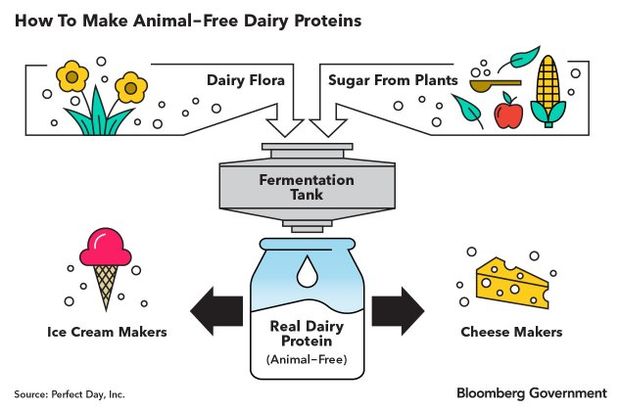
Ben&Jerry's is not going to roll out ice cream derived from geneticaly modified cells in a lab any time soon - their buying demographic hates science (although their parent conglomerate Unilever loves it) - but the public wants it now.