Fake Banner
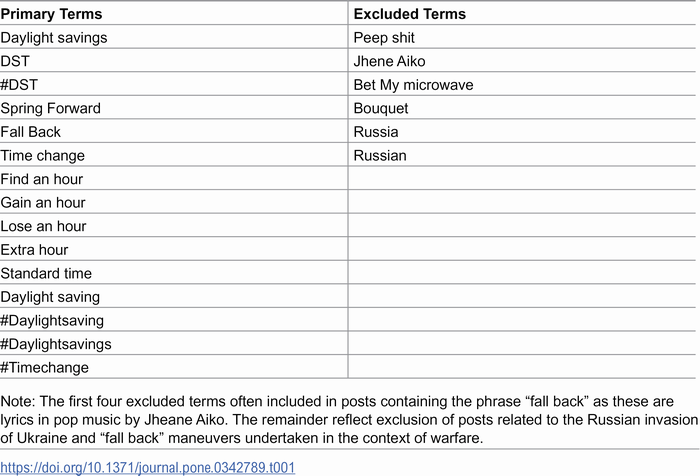
Spring Forward Fall Back: We Hate Changing Clocks But Hate One Change Most

In 1918, with Gen Black Jack Pershing off to France to stop the Germans in World War I, the United...
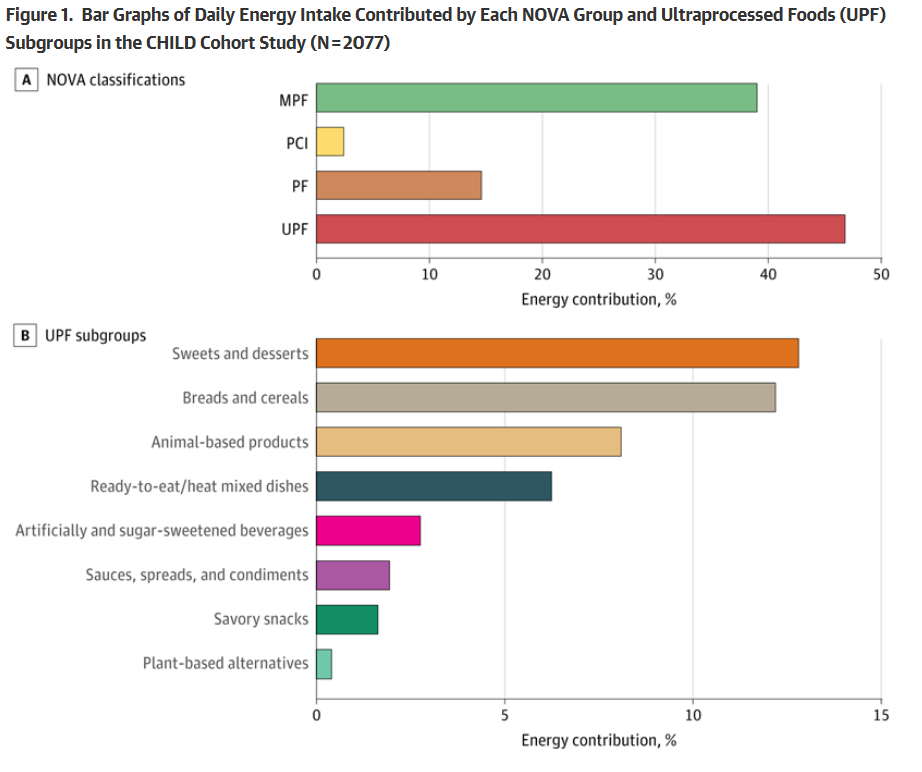
Canadian Epidemiologists Claim Processed Foods Cause Bad Kids

A cohort analysis of preschoolers in Canada has led the authors of the paper to call for bans...
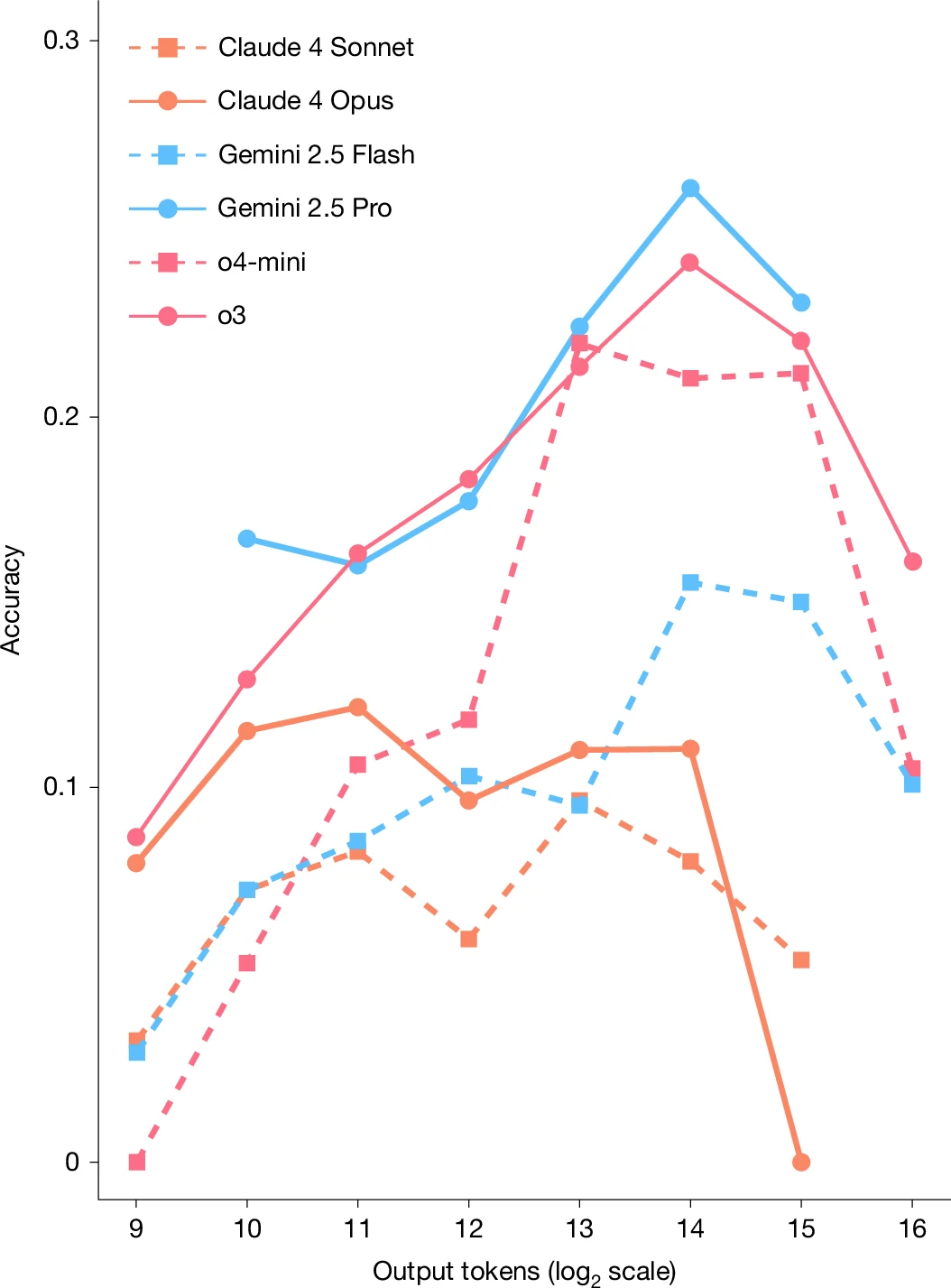
What AI Can't Do: Humanity’s Last Exam

By this time 26 years ago, the "Dot-Com Bubble" was ready to burst. People who wanted to raise...

Does NBA Income Inequality Impact Team Performance?

A new paper says that players where a few superstars get the money leads to less cooperation and...

User picture.
picture for Tommaso Dorigopicture for Hontas Farmerpicture for picture for Fred Phillipspicture for Atreyee Bhattacharyapicture for Patrick Lockerby
Hank CampbellRSS Feed of this column.

I founded Science 2.0® in 2006 and since then it has become the world's largest independent science communications site, with over 300,000,000 direct readers and reach approaching one billion. Read More »

Blogroll
Whither The Celts?

In the 1980s there was a terrific British documentary called simply "The Celts", made because of ongoing fascination by entitled western elites with indigenous people and perhaps the lingering hope/fear that maybe they were somehow better than the winners.

The Celts were a blanket name for a lot of people who were just The Other to Romans, any number of tribes that the Romans ascribed names to based on region.  They were basically a kind of "dark matter" for ancient authors, who didn't know what they were or how to figure them out, but knew they have to have existed because Caesar fought someone in France and Germany and he took really good notes.
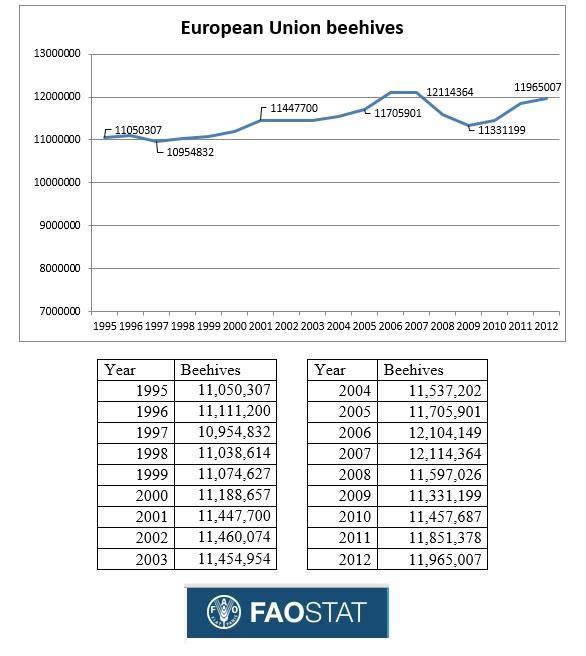
A few years ago, bees suddenly had a sharp decline in numbers. This "Colony Collapse Disorder" as it is called, is a disorder in the sense that it is a recurring phenomenon, detailed for the last 1,000 years even when record-keeping just consisted of sporadic anecdotes. It was noted more frequently as record-keeping became more thorough. so it appeared far more often by the 1800s. By the 1900s, record-keeping had improved enough that there were seven recorded instances of this CCD phenomenon just in the United States.
Space is exciting so it is easy to get sucked into bold claims. 

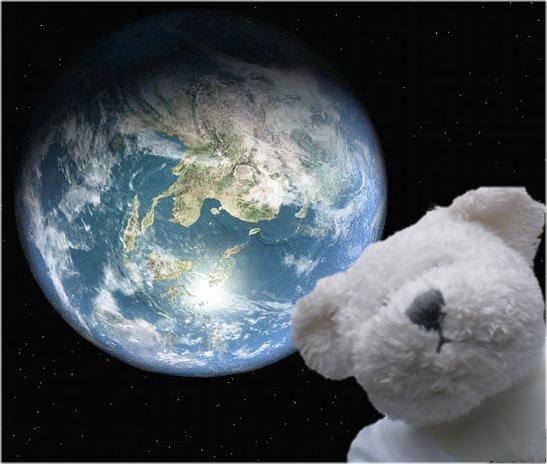
A few years ago one of our writers had the idea to launch Bloggy into space. He was going to do all the work and just needed the money to pay the company, Interorbital, a very reasonable-sounding amount, so it was on.

My only real question was, "The knock on these guys is that they keep cashing checks but they never actually launch anything. What makes you think they will this time?"


Bloggy in spaaaaace.
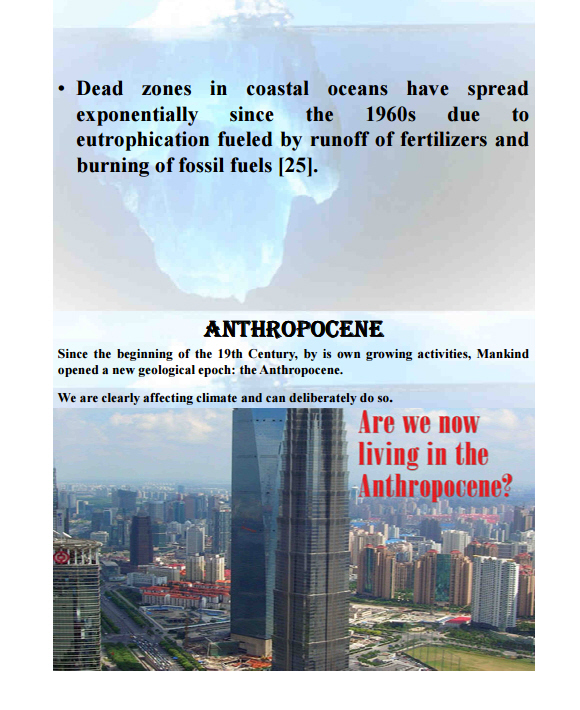
Overpopulation, greenhouse gases, climate disruption - it's a doomsday prophet's Nirvana.

You, dear reader, are basically a blight on the pristine goodness of nature, but even being told that you stink has not led most of you to demand policy action. Why not? And will a Nobel laureate telling you to get off your butt help?(1) 

Dr. Paul Cruzten, a 1995 Nobel Laureate in Chemistry, the fellow who popularized the term "anthropocene epoch", hopes his latest editorial, with Stanislaw Waclawek, on the subject creates a tipping point for change.
"A personal redemption narrative sustains motivation to engage in prosocial behavior," write psychologists at Northwestern University. Since it is St. Patrick's Day, that is a fancy social science way of saying that is why some people "do good works", while "redemptive stories sustain hope that sacrifices today may produce future dividends" is Catholic guilt for secular middle-aged people who don't like religion but do feel like they perhaps haven't earned what they got.

We sometimes have to wonder about the decision-making of government agencies. Senator Tom Coburn produced an annual list of waste and duplication that included science and it made sense to address those flaws, unless you actually favor National Science Foundation money being used so someone could play Everquest instead of doing actual science. Likewise, energy researchers were not thrilled that the Department of Energy funded the Human Genome Project.

But sometimes it makes total sense. Case in point: Dr. Ernest M. Allen, Chief, Division of Research Grants at the NIH, who once agreed to fund a rocket. For a 10-year-old.