Fake Banner
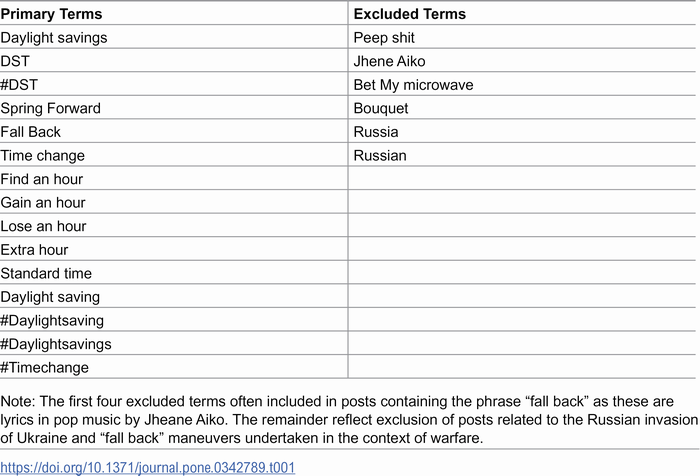
Spring Forward Fall Back: We Hate Changing Clocks But Hate One Change Most

In 1918, with Gen Black Jack Pershing off to France to stop the Germans in World War I, the United...
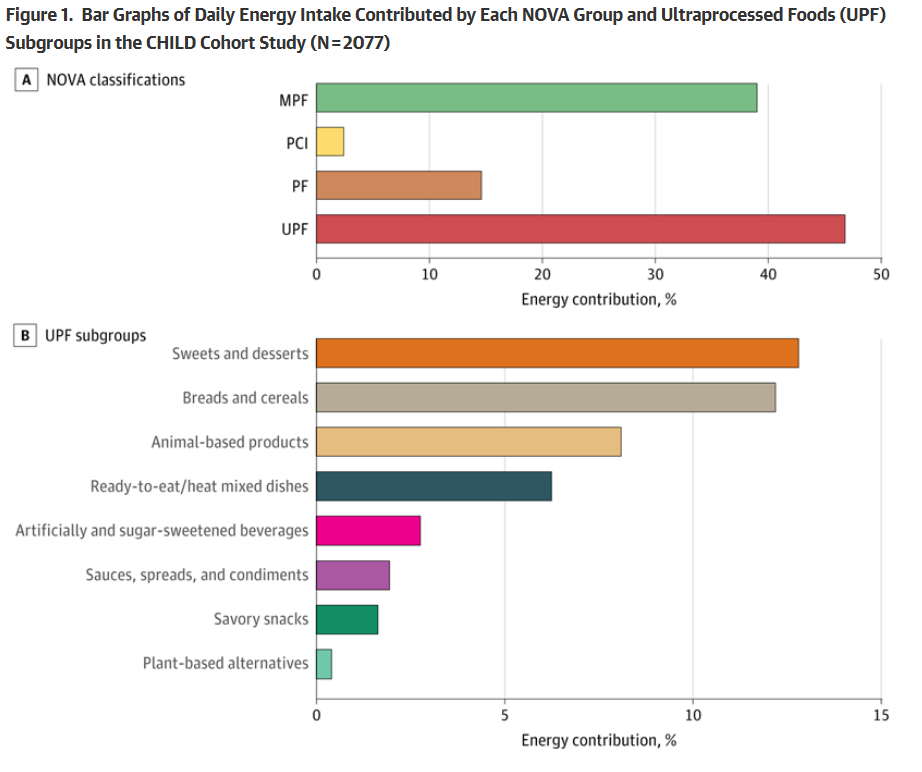
Canadian Epidemiologists Claim Processed Foods Cause Bad Kids

A cohort analysis of preschoolers in Canada has led the authors of the paper to call for bans...
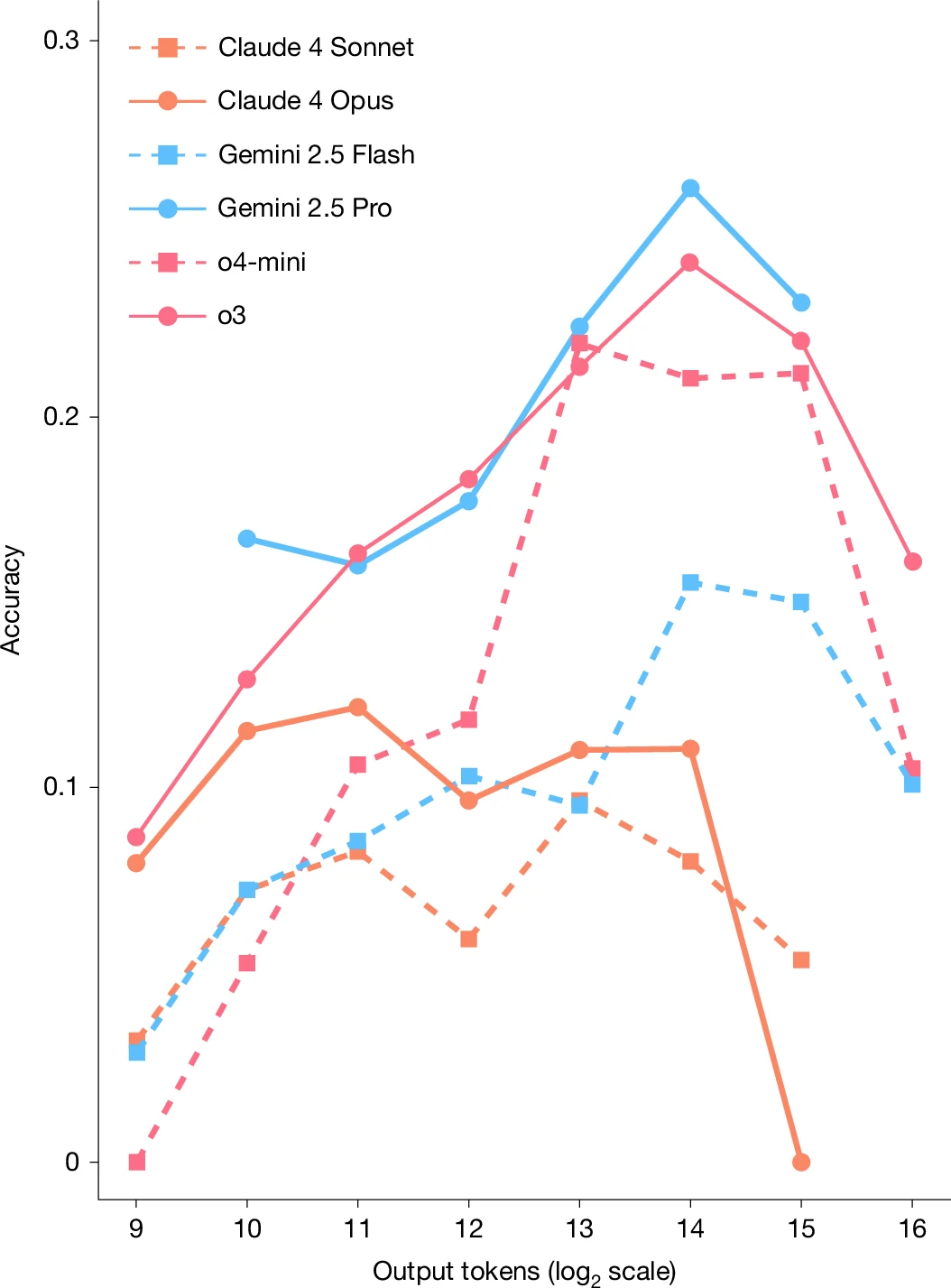
What AI Can't Do: Humanity’s Last Exam

By this time 26 years ago, the "Dot-Com Bubble" was ready to burst. People who wanted to raise...

Does NBA Income Inequality Impact Team Performance?

A new paper says that players where a few superstars get the money leads to less cooperation and...

User picture.
picture for Tommaso Dorigopicture for Hontas Farmerpicture for picture for Fred Phillipspicture for Atreyee Bhattacharyapicture for Patrick Lockerby
Hank CampbellRSS Feed of this column.

I founded Science 2.0® in 2006 and since then it has become the world's largest independent science communications site, with over 300,000,000 direct readers and reach approaching one billion. Read More »

Blogroll
With the terrorist attacks in Paris fresh on the minds of Europeans (150X as many dead in a terrorist attack in Africa, not so much), politicians are reflecting the concerns of the public and becoming focused on how to better prevent them in the future.

France clearly knows it needs to beef up its security agency and other European countries are worried that more scrutiny on potential Islamic terrorists will mean more violent blowback. Regardless of the risk, people want to stop homicidal miscreants before they kill 1,700 rather than 17.

Picture this scenario: A politician is appointed to run NASA who thinks its budget is too high and then half its money and a third of its workforce is on its way to evaporating. Public support for a mission to Mars is nonexistent.

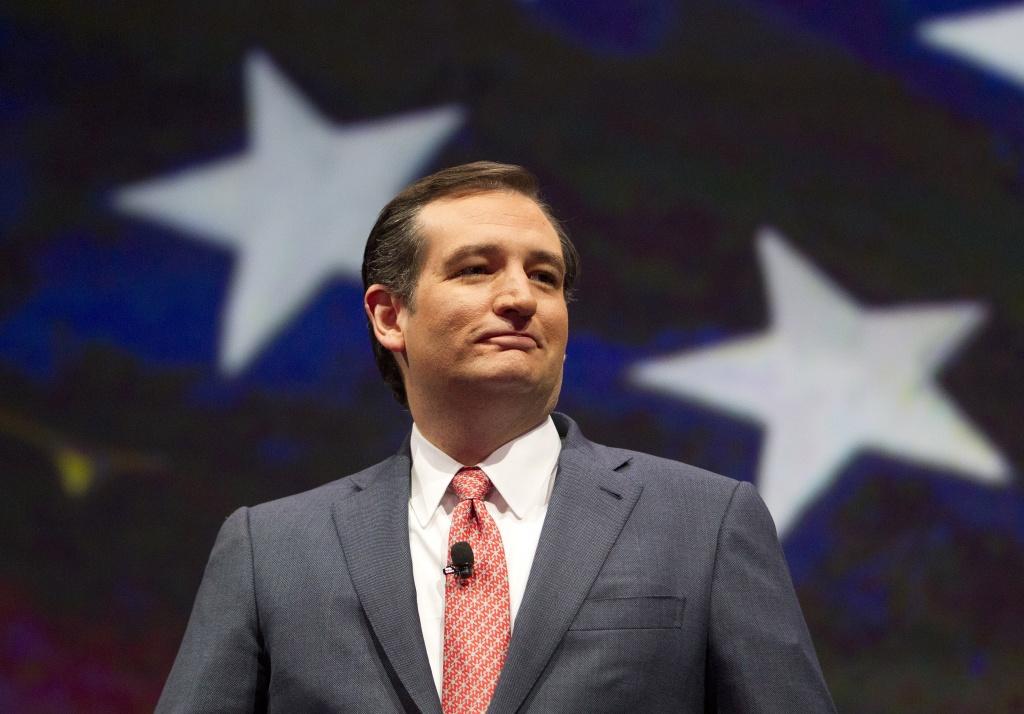
It must be in late 2015, after anti-science Republican Senator Ted Cruz of Texas has control of NASA, if you read science media (and then whatever Huffington Post and Slate are).
If you want a career in Science, Technology, Engineering and Math, you have probably been cautioned that academia, awash in Federal money promoting STEM careers, can maybe employ 15 percent of the PhDs in science they graduate.

The private sector still accounts for most of the basic research, almost all of the applied research, and certainly all of the technology, and they want you.
With organic food a $105 billion industry juggernaut, various groups are looking to don that health halo. Even frozen food.

If you don't think food can be "fresh" and "healthy" while still being frozen, you probably also do not believe organic food has more antioxidants and uses fewer pesticides and therefore are not the target market and you can stop reading.
In late 2008, the euphoria over electing a man who specifically said he wanted to put science back in its rightful place began to fade. The president-elect, it seemed, preferred the company of UFO believers, an anti-vaccine conspiracy theorist and a guy who thought girls couldn't do math.

Groups like the U.S. Environmental Protection Agency and the Food and Drug Administration set the gold standard worldwide for science - but they are still soundly criticized. Every time the EPA clears a pesticide it is blasted because the studies it mandates are "industry-funded", which is required by law. As are trials for drugs.

For many people, the disclaimers about side effects of drugs at the end of television drug commercials (along with the omnipresent 'see our ad in Golf magazine' small print) are somewhat laughable - like with Proposition 65 'cancer-causing chemicals' here in California, when everything is a problem, nothing is - but they have a serious societal impact when the FDA says it.