Fake Banner
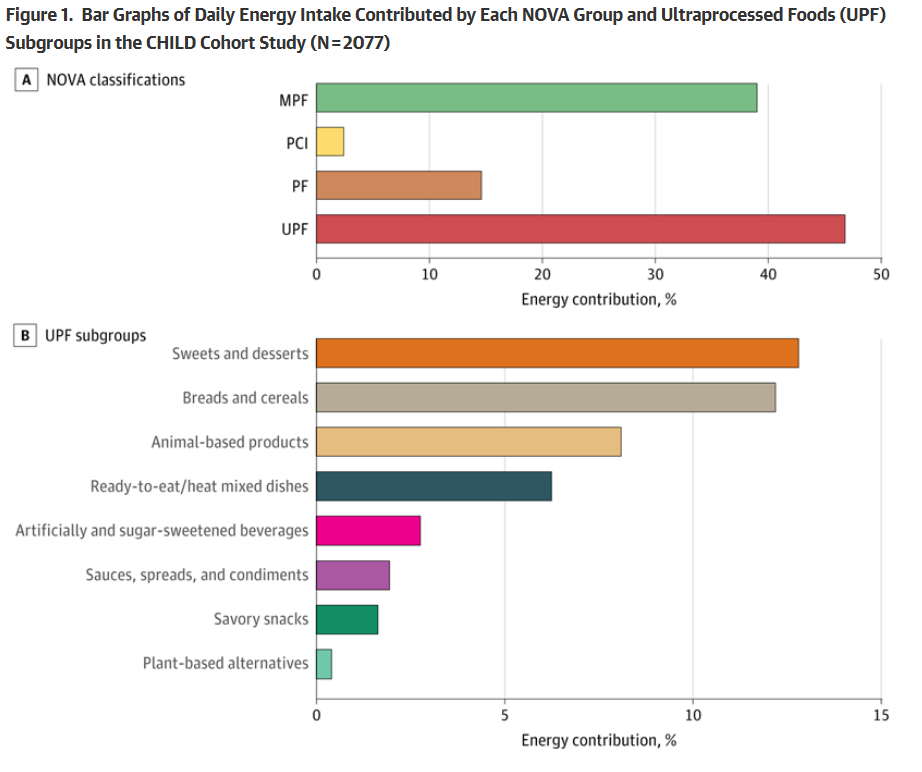
Canadian Epidemiologists Claim Processed Foods Cause Bad Kids

A cohort analysis of preschoolers in Canada has led the authors of the paper to call for bans...
What AI Can't Do: Humanity’s Last Exam

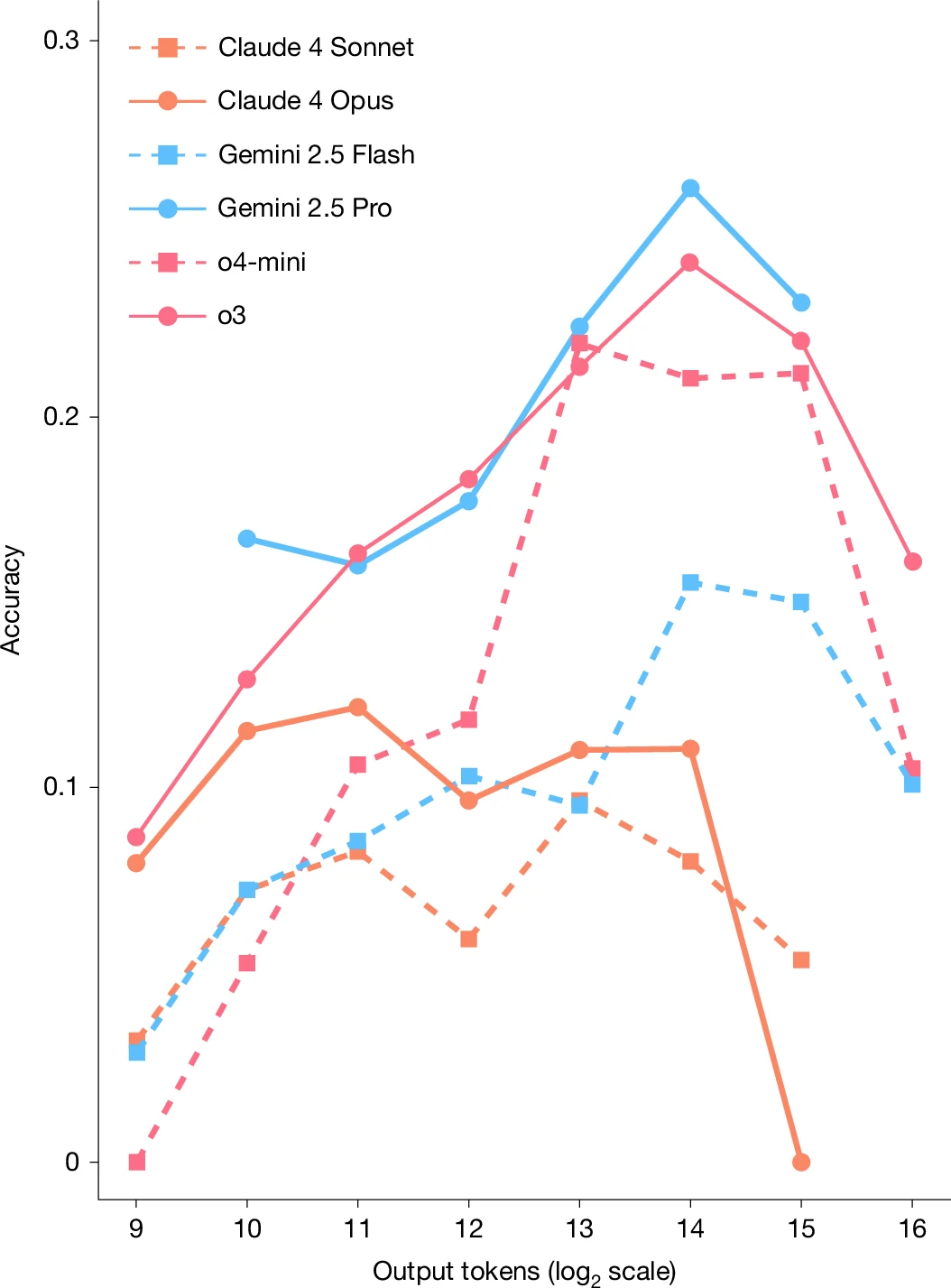
By this time 26 years ago, the "Dot-Com Bubble" was ready to burst. People who wanted to raise...

Does NBA Income Inequality Impact Team Performance?

A new paper says that players where a few superstars get the money leads to less cooperation and...
Dogs And Coffee: Finally, Epidemiology You Can Trust

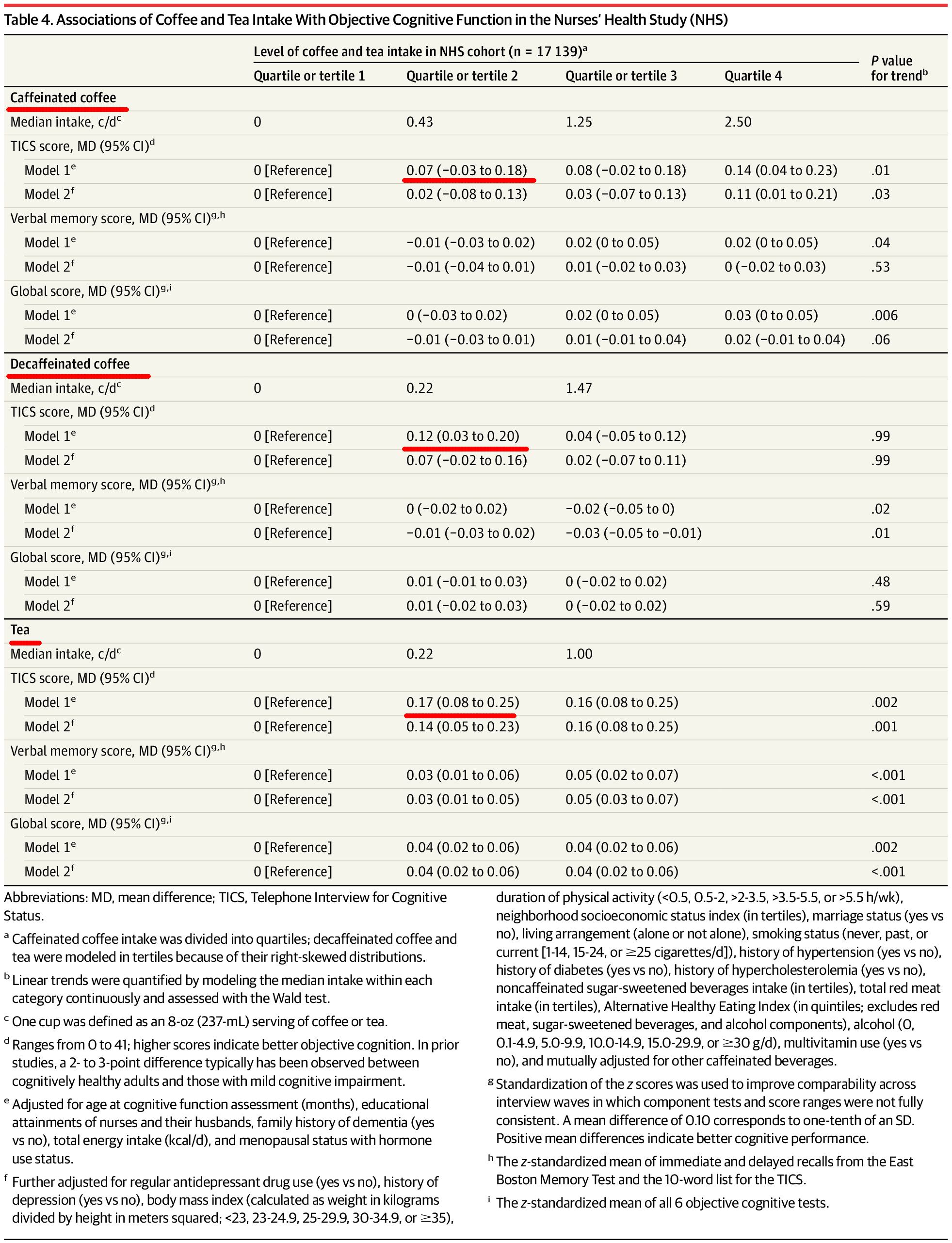
In 2026, it is easy to feel intellectually knocked around by all of the health claims you read...

User picture.
picture for picture for Tommaso Dorigopicture for Fred Phillipspicture for Hontas Farmerpicture for Atreyee Bhattacharyapicture for Patrick Lockerby
Hank CampbellRSS Feed of this column.

I founded Science 2.0® in 2006 and since then it has become the world's largest independent science communications site, with over 300,000,000 direct readers and reach approaching one billion. Read More »

Blogroll
A recent paper finds that if just 15 percent of farmland reverted to nature, it would wipe out nearly a third of the carbon we've generated since the onset of the Industrial Revolution.

The good news; we can do that easily. The bad news; it involves science, and western elites in environmental activism, from Environmental Working Group in the U.S. To Swiss Public Eye in Europe, are never going to allow that without a fight.
A study using Ontario's 34 Public Health Units over the course of two months found that wearing a mask can have a significant impact on the spread of COVID-19.

No argument there, anyone would be worried if their surgeon showed up in the operating room without a mask on, but the economists go a little further and claim mask mandates are the reason. They statistically associate mandates with a 25 percent reduction in COVID-19 cases.
A new paper seeks to take some of the guesswork out of subjective "sustainable" diets. Activists like True Health Initiative try to claim that a meatless diet is better for human health and the environment, for example, but their corporate sponsorships lead to skepticism. Claims about the emissions impact of meat production are often exaggerated by 700 percent. Environmentalists have never visited a farm if they think all grazing land could be growing tomatoes.
Have you been told you have a greater risk of heart disease based on family history? What does that even mean?
At a time when sue-and-settle activist groups like Center for Food Safety continue to claim scientists - across the private sector, non-profits, and government agencies - are colluding to poison us by allowing safe pesticide use, their messaging is being ignored by more consumers than in decades.
More than 18 percent of U.S. adults claim they do not have access to adequate food from day to day, according to a new paper, which more than doubled between 1999 and 2016. The result: Higher obesity.

People got fat from not enough food?

There are obvious confounders, namely recall bias - and it's hard to reconcile an obese person stating on surveys they don't get enough to eat with biological reality. Scientists know that the only diet that really works is fewer calories. In 100 percent of studies people who consume fewer calories than they burn lose weight. They don't gain it eating less food.