Every pharmacy has a section devoted to products that are not scientifically known to do anything at all, they could never pass FDA scrutiny on their claims, but they don't need to and pharmacies are in business to make money. And in places like Washington, DC, California, and New York, the public overwhelmingly believes in supplements as alternatives to medicine, so carrying fish oil, ginkgo, ginseng and other products that claim to be memory boosters and prevent "cognitive decline" is just listening to the market.
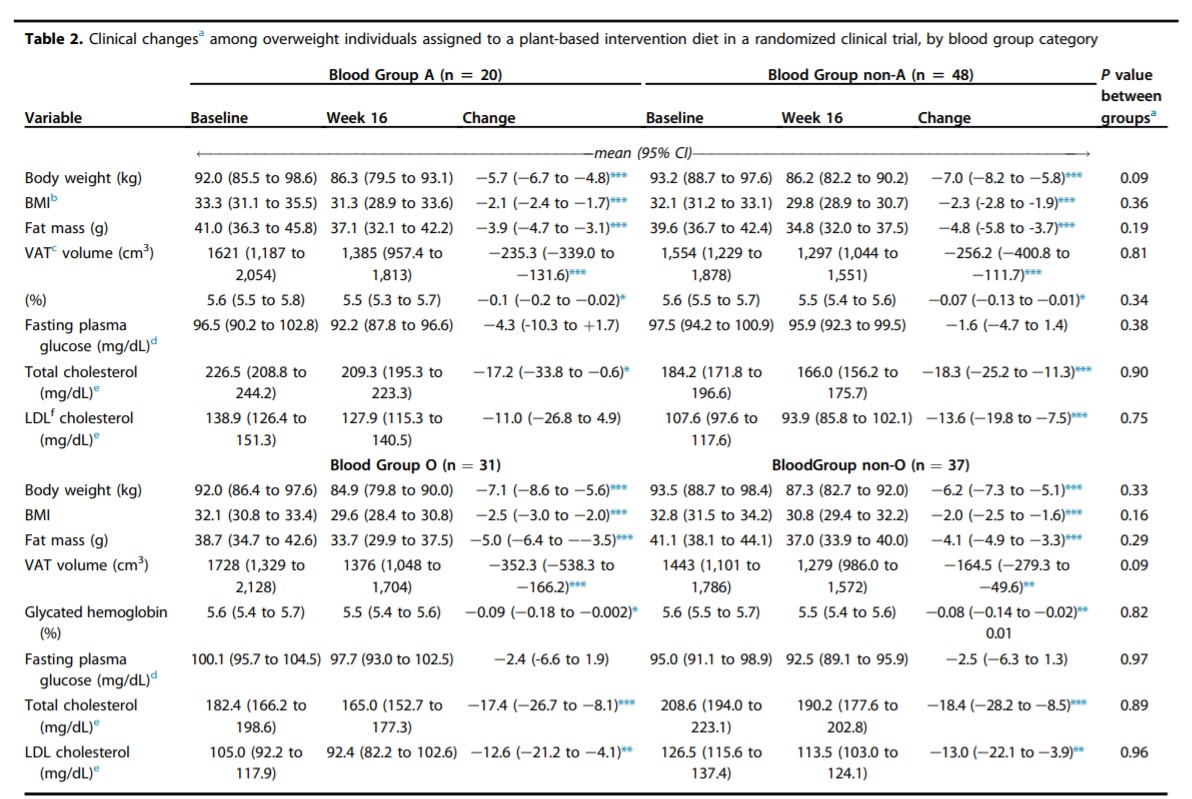
Nearly every sort of diet has appeared on the New York Times bestseller list by now, all claiming to have a foundation in science. Yet one key reason some among the public are distrustful of epidemiology statistics on masks and social distancing is that epidemiology is also used to statistically link nearly every food or chemical to harm or longevity.
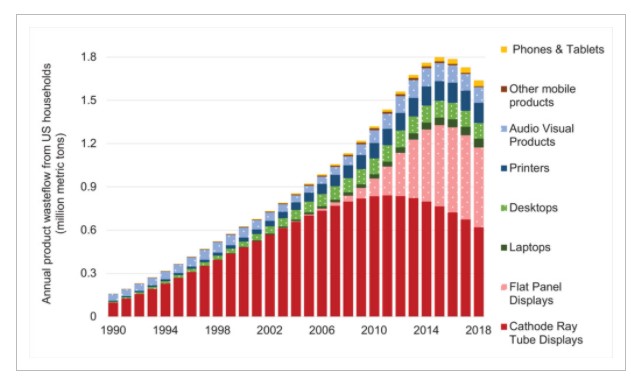
When your Xbox is a gaming console and a 4K Blu-Ray player, you don't need two devices, and when your phone is a camera and a video recorder, there are two fewer things to buy - and eventually throw away.
As smart devices have become more integrated, and more commodities like a dishwasher than technology events, people own fewer things and keep them longer. That means less electronic waste. Yet the story we get from environmental groups is that e-waste is the fastest growing material pollution and only donations to lawyer-run groups can stop it.
In the United States, meat substitutes like Beyond Meat and Impossible Foods are now fixtures in culture. Vegetarians who miss meat want to eat them because they use plants while environmental activists don't want to eat them because they use science. That keeps them in the public eye.
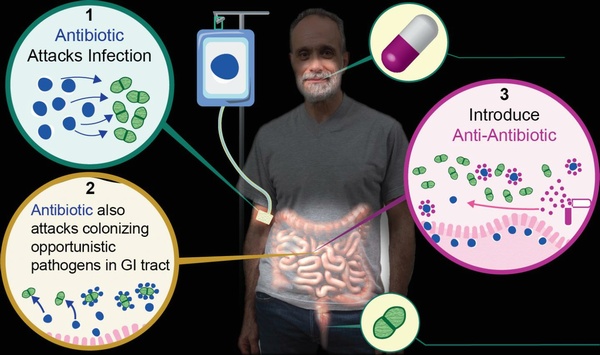
Antibiotic resistance is a serious problem. Nature constantly evolves new ways to kill, which means pathogens will develop new methods of resistance to current treatments, but pharmaceutical companies also have little incentive to develop new antibiotics. Instead, they have obstructions when the U.S. Food and Drug Administration will require a billion dollars in expenses, 10 years of regulatory approval, and then grandstanding politicians will demand it immediately be generic and cost a dollar.
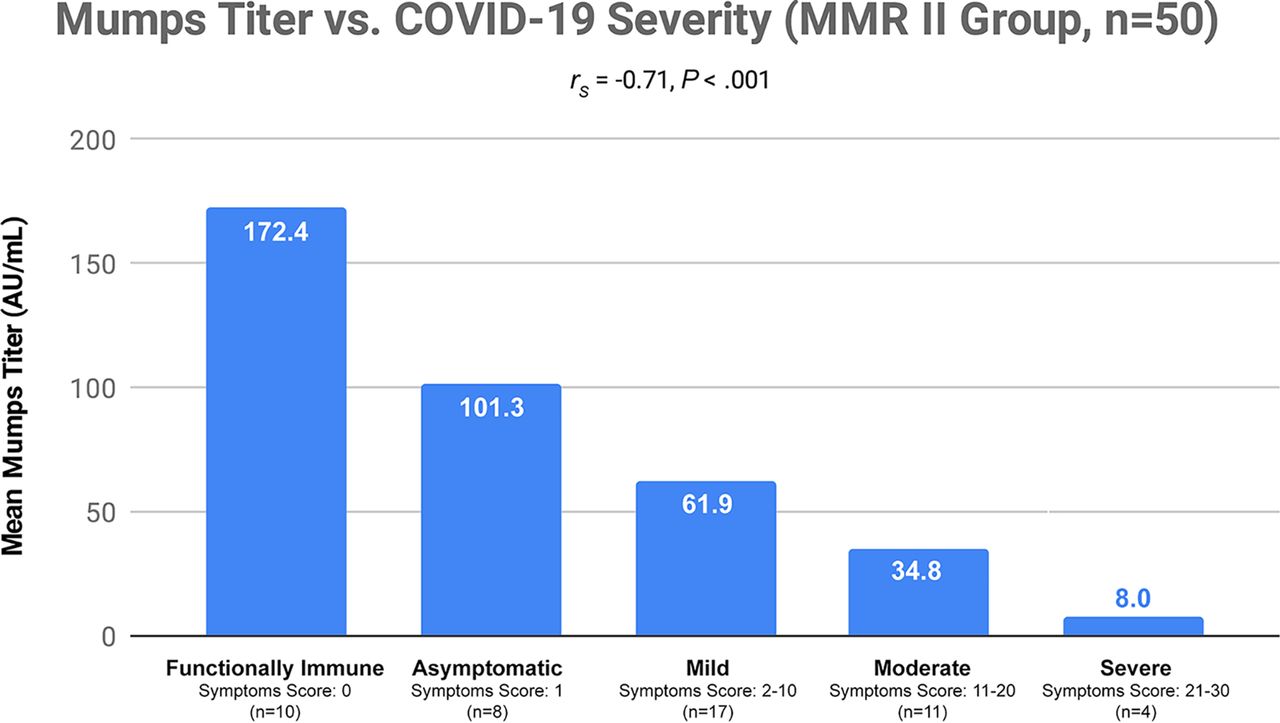
Mumps IgG titers, levels of IgG antibody,
have been correlated to lowered severity in recovered COVID-19 patients who had the Merck MMR II vaccine, and that has led a group
to speculate that the MMR vaccine may protect against COVID-19.


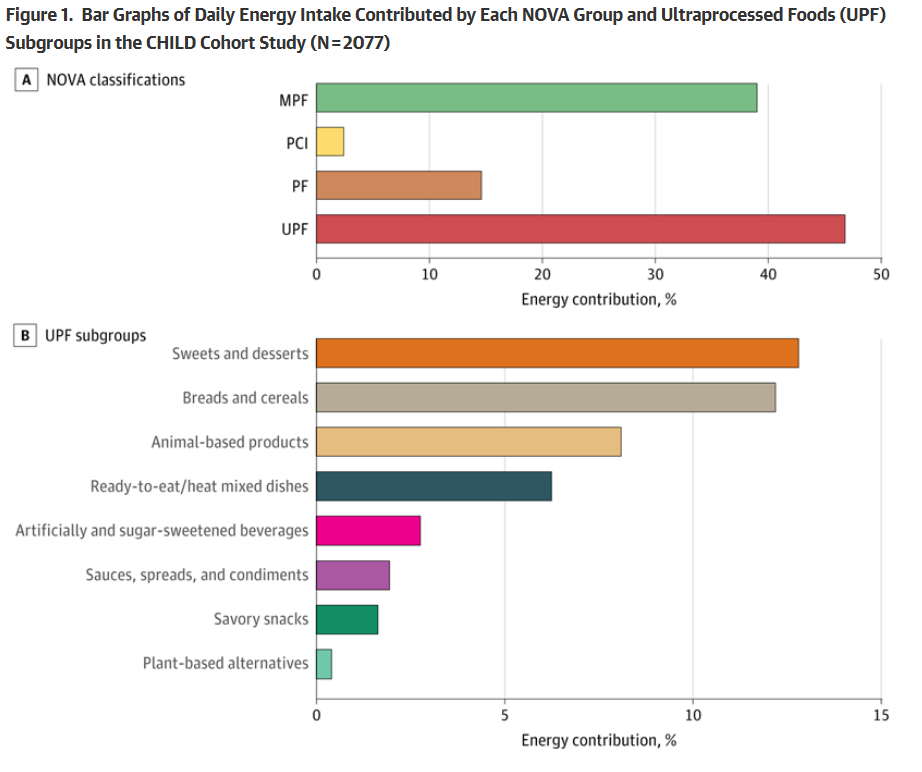 Canadian Epidemiologists Claim Processed Foods Cause Bad Kids
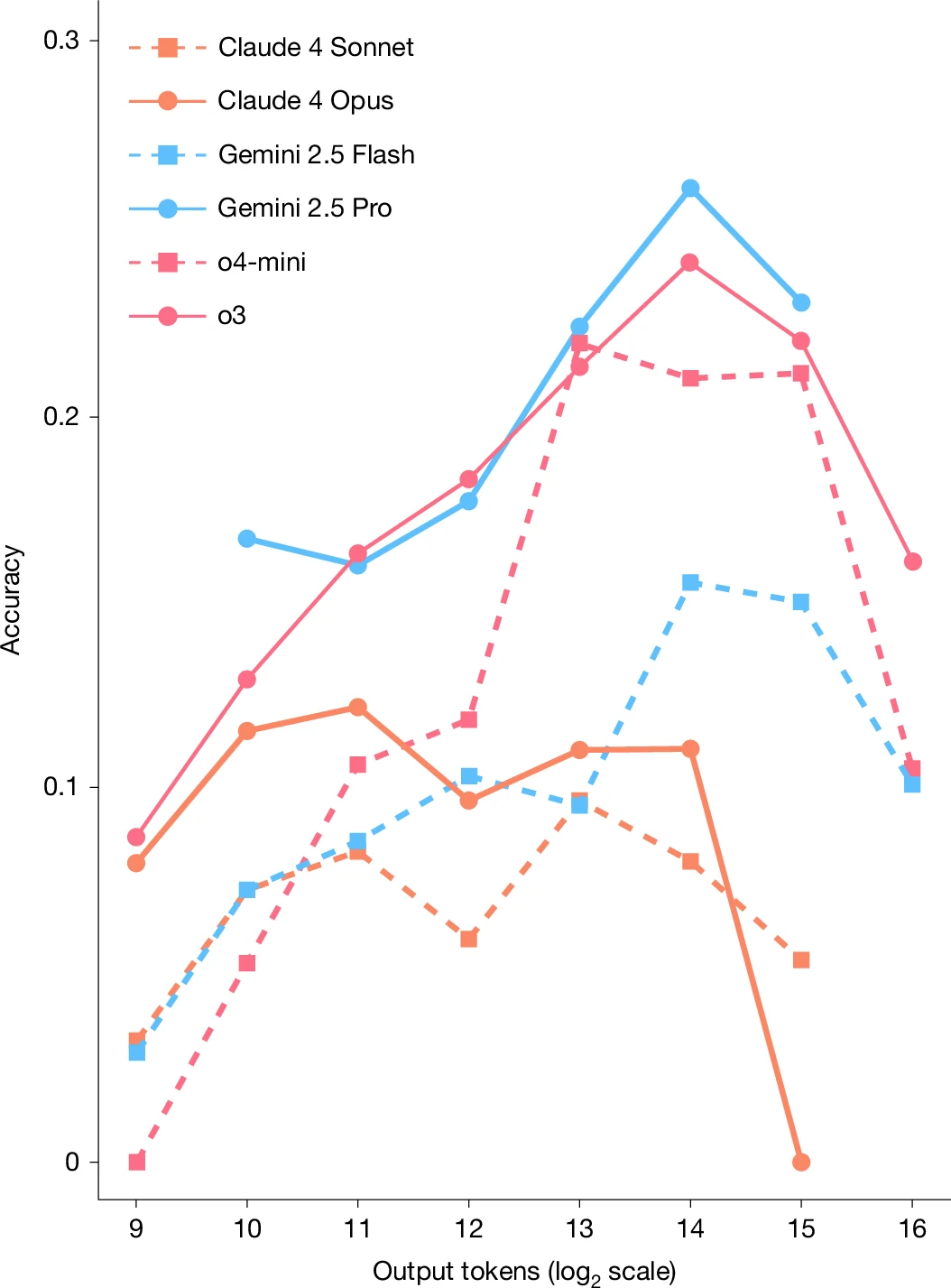 What AI Can't Do: Humanity’s Last Exam
 Does NBA Income Inequality Impact Team Performance?
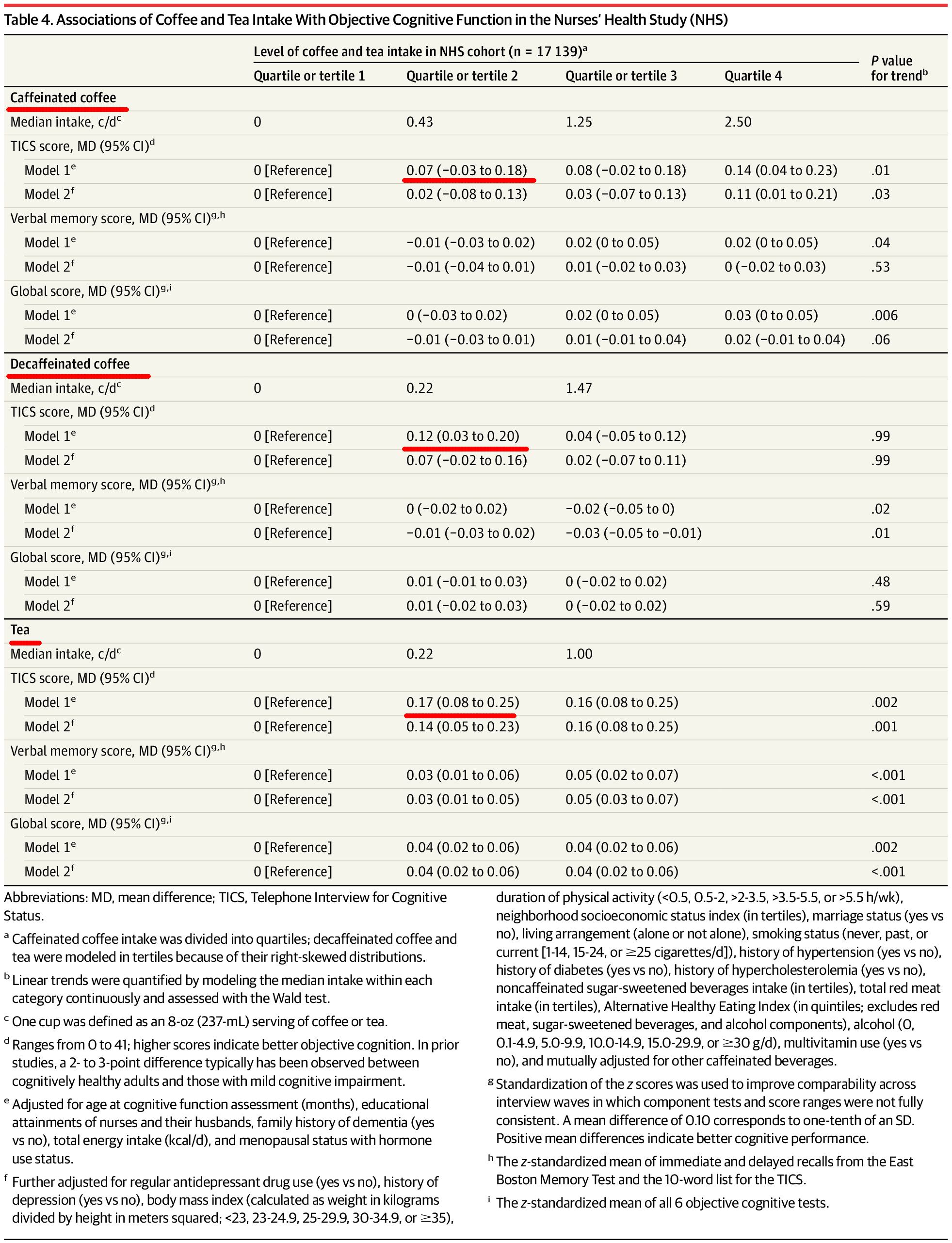 Dogs And Coffee: Finally, Epidemiology You Can Trust