Fake Banner
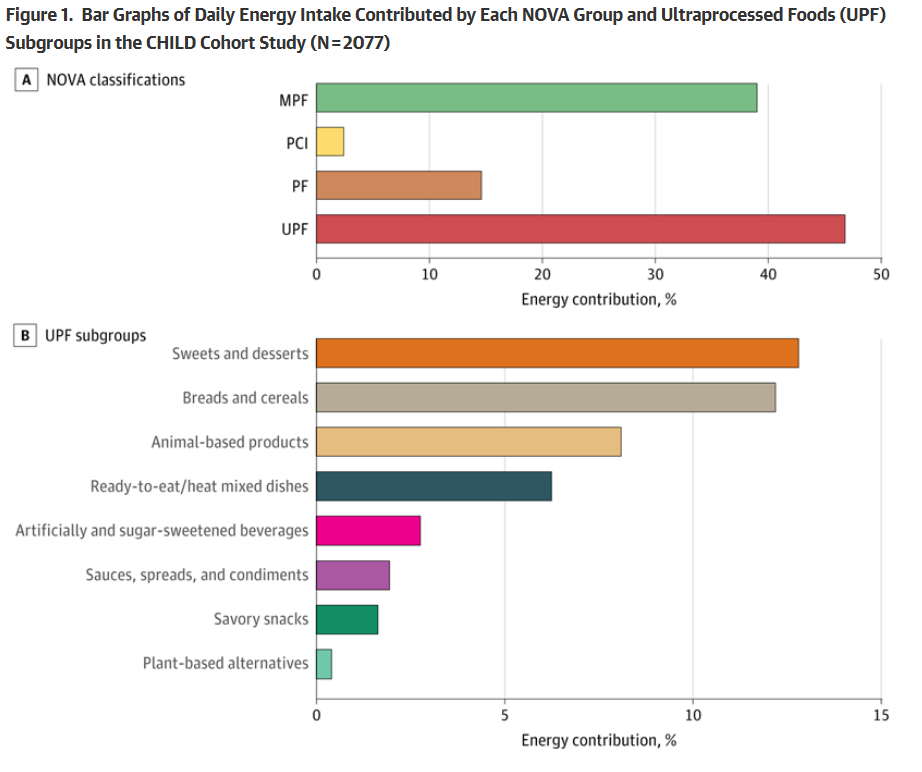
Canadian Epidemiologists Claim Processed Foods Cause Bad Kids

A cohort analysis of preschoolers in Canada has led the authors of the paper to call for bans...
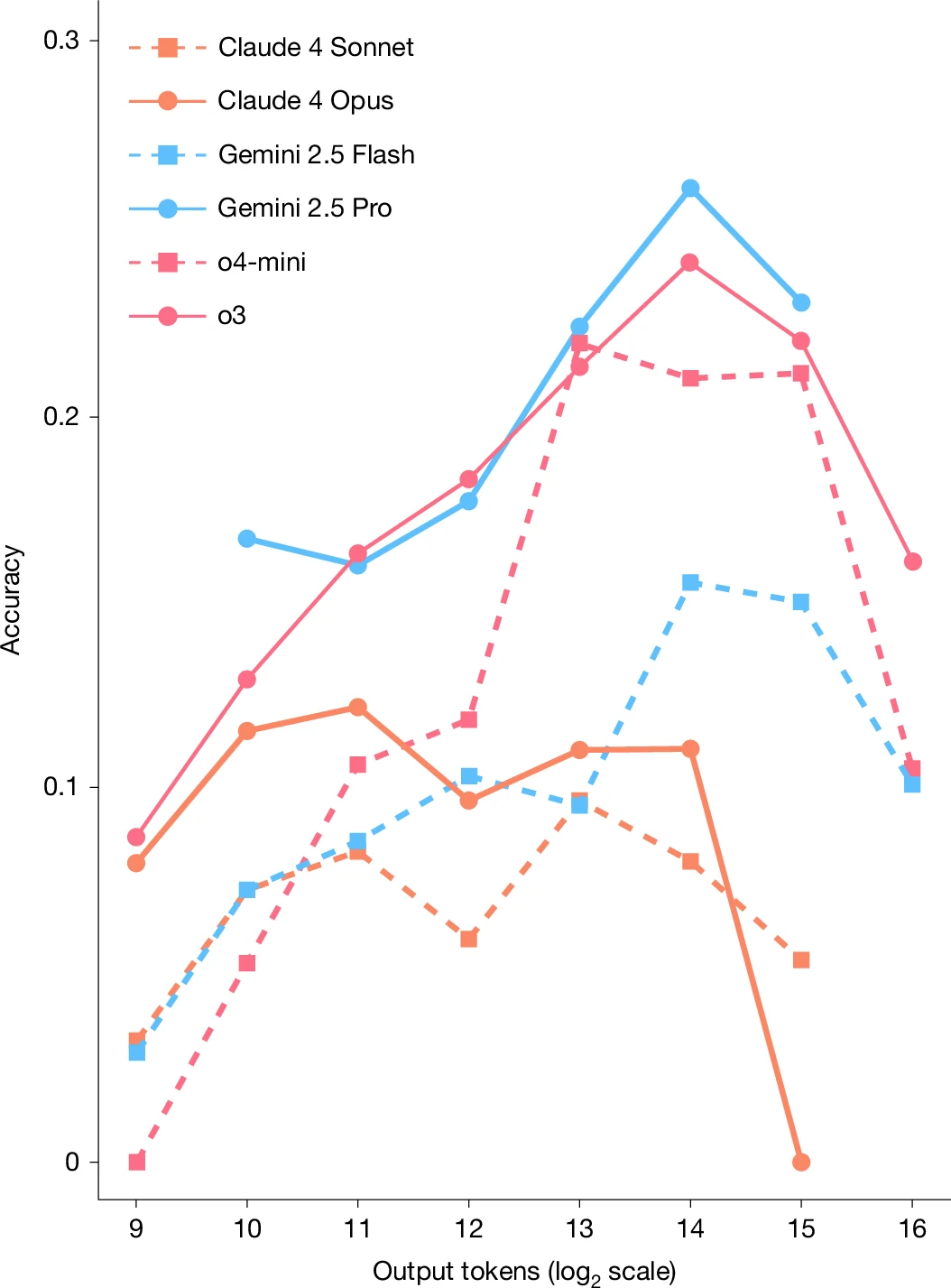
What AI Can't Do: Humanity’s Last Exam

By this time 26 years ago, the "Dot-Com Bubble" was ready to burst. People who wanted to raise...

Does NBA Income Inequality Impact Team Performance?

A new paper says that players where a few superstars get the money leads to less cooperation and...

Dogs And Coffee: Finally, Epidemiology You Can Trust

In 2026, it is easy to feel intellectually knocked around by all of the health claims you read...

User picture.
picture for picture for Tommaso Dorigopicture for Fred Phillipspicture for Hontas Farmerpicture for Atreyee Bhattacharyapicture for Patrick Lockerby
Hank CampbellRSS Feed of this column.

I founded Science 2.0® in 2006 and since then it has become the world's largest independent science communications site, with over 300,000,000 direct readers and reach approaching one billion. Read More »

Blogroll

A small fish in central Texas, a freshwater mussel in the Mobile River basin, and another mussel in Alabama’s Coosa and Cahaba Rivers have something strange in common; they appeared on an EPA list of threatened species “likely to be adversely affected” by a popular herbicide named atrazine.

I don't see how could things get worse for the San Marcos gambusia, the Upland Combshell and the Southern Acornshell. They're all extinct. I lived in the southern US in the early 1970s and never saw a Southern Acornshell. It would have been impossible, it was gone by then.

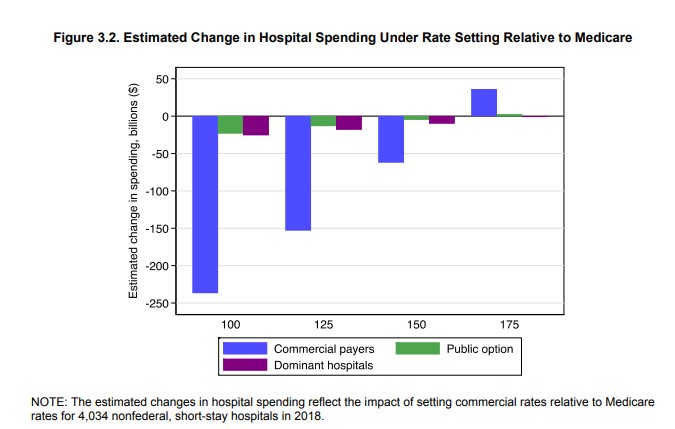
Rather than making affordable health care reality, the Affordable Care Act sent costs for many privately-insured people up as much as 700 percent. The federal government allowed insurers to pass through their new losses to everyone else and even with that, many insurers fled states due to the program being insoluble.

Perhaps the solution is not to have people pay 700 percent more, but to force hospitals to be transparent about costs. And that would mean more realistic pricing without a reduction in quality.
The Pennsylvania Game Commission manages 1.5 million acres of land for its citizens and all "public land owners" are able to use it for hiking, hunting and various activities.

Despite such an enormous responsibility, the Game Commission receives no General fund appropriations. The Game Commission and state biologists instead get to be stewards of nature thanks to nearly all of its $120,000,000 in funding coming from licenses like deer hunting. 
Coca-Cola and Disney do not simply share being on Interbrand's Global Top Brands, says a new paper, they also share linguistically feminine names, and that helps their success with men and women. In fact, the highest-ranking companies have, on average, more feminine names than lower-ranked companies, they claim.
Imagine you hire a plumber and he needs to work on your plumbing and instead of coming over to fix that he sends his cousin who owns a lawn service.

That is analogous to what is happening at EPA regarding a common herbicide (the second most popular in the U.S.) named atrazine.

There is nothing wrong with it scientifically, it is causing no harm, but EPA is still going to hand it over to a group like the US Fish and Wildlife Services and let them just decide whether or not it might harm endangered species. No science needed.

They are even blaming it for extinctions that occurred nearly 50 years ago.

The Forever War on Science story has been in development...forever...but this is the first time they introduced time travel.
Do you think food is medicine? While Whole Foods imagery touted that in 2019, the coronavirus pandemic that began in Wuhan later that year punctured efforts to convince the public that health is a moral or economic issue - you owe it to your kids to buy overpriced food. SARS-CoV-2 and the COVID-19 pandemic showed that eating expensive onions won't save anyone from anything. 

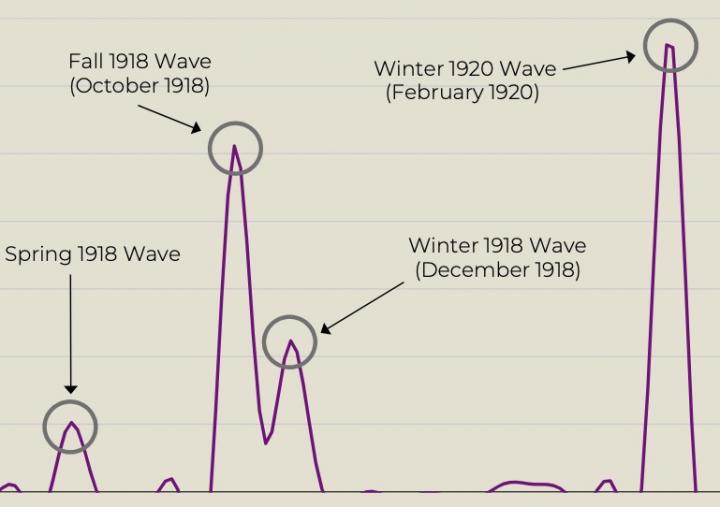
What may help save people is remembering the past rather than wishful thinking about the present. In this case, looking back at the 1918 Spanish flu pandemic which killed far more than COVID-19.