

 A Chess Study Requiring Backpropagation
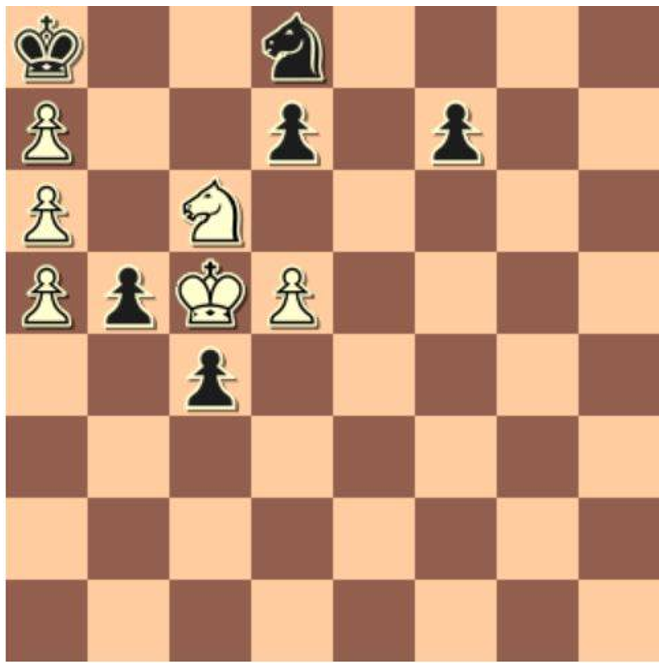
The following position is a win for white. But how?It seems like white is able to grab a knight...
 Co-Design Of Scientific Experiments
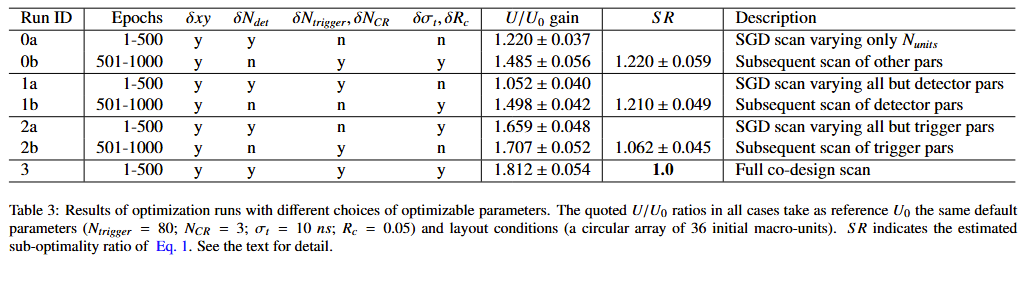
Next Monday, or Tuesday at the latest, you will find a new bulky paper in the arXiv. Titled "On...
 Travel With Two Infants
The other day I traveled with Kalliopi and our two newborns to Padova from Lulea. After six full...
 A Nice Little Combination
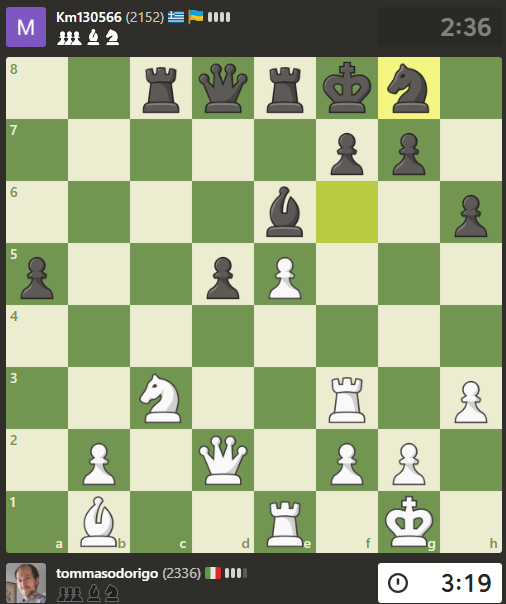
Although I have long retired from serious chess tournaments (they take too much time, a luxury...
       |
Tommaso Dorigo Tommaso Dorigo is an experimental particle physicist, who works for the INFN at the University of Padova, and collaborates with the CMS and the SWGO experiments. He is the president of the Read More » |
Blogroll |


 Eilam Gross is a professor of Physics at the Weizmann Institute of Science of Rehovot, Israel, and a distinguished member of the ATLAS collaboration. That makes him a competitor, since I work for the other experiment around the ring, CMS. But Eilam is also a colleague, especially since we are members of the Statistics Committees of our respective experiments and we cooperate in a joint group to try and converge on common practices for statistical procedures in data analysis at the LHC. Ah, and- I forgot to mention he is the convener of the ATLAS Higgs group| So I am very pleased to feature his own take on the LHC results on Higgs searches...


