 A Chess Study Requiring Backpropagation
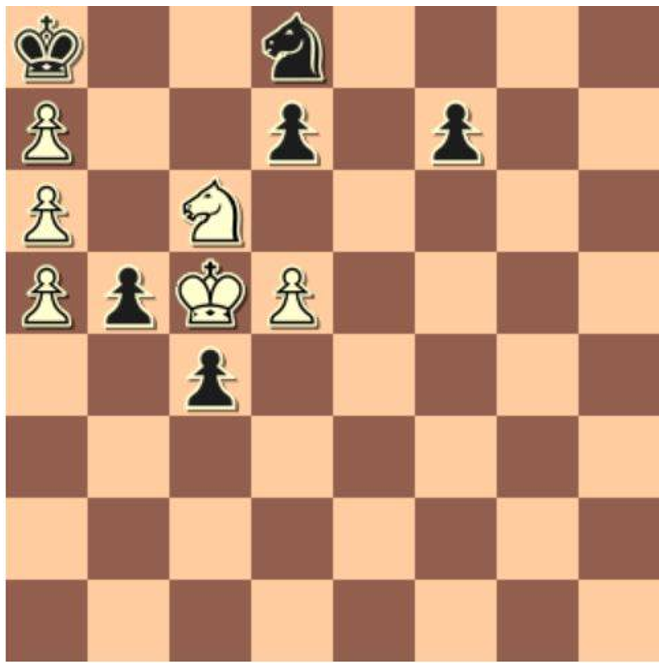
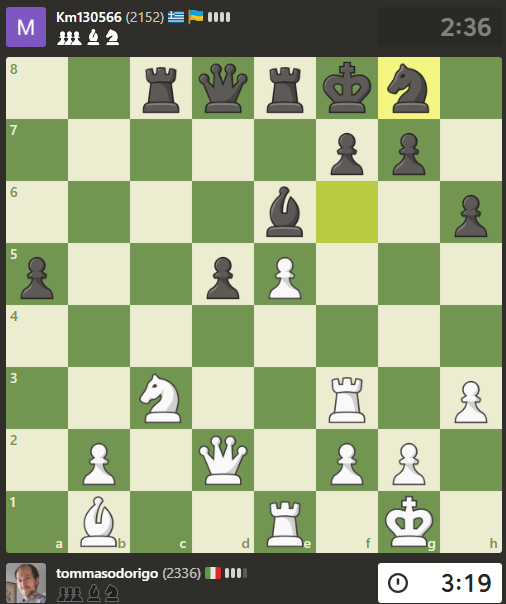
The following position is a win for white. But how?It seems like white is able to grab a knight...
 Co-Design Of Scientific Experiments
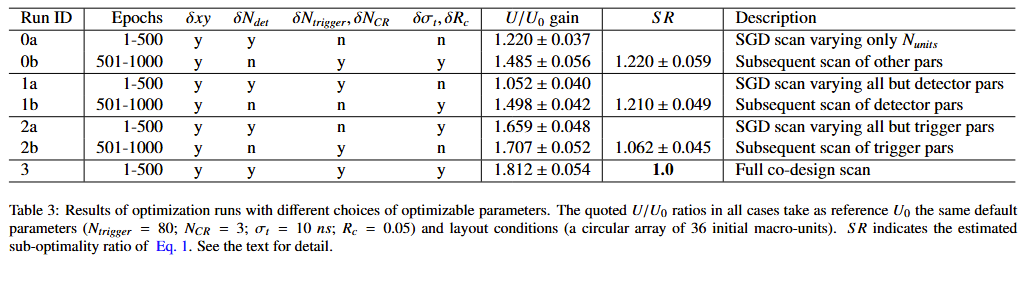
Next Monday, or Tuesday at the latest, you will find a new bulky paper in the arXiv. Titled "On...
 Travel With Two Infants
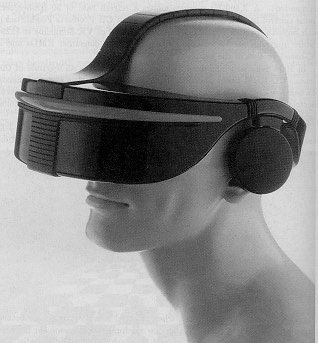
The other day I traveled with Kalliopi and our two newborns to Padova from Lulea. After six full...
 A Nice Little Combination
Although I have long retired from serious chess tournaments (they take too much time, a luxury...
       |
Tommaso Dorigo Tommaso Dorigo is an experimental particle physicist, who works for the INFN at the University of Padova, and collaborates with the CMS and the SWGO experiments. He is the president of the Read More » |
Blogroll |

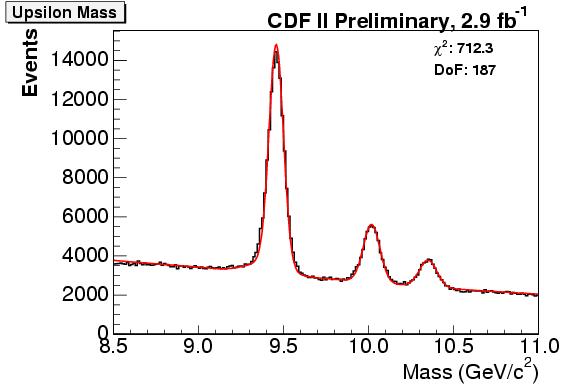
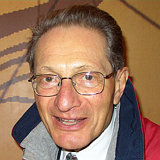
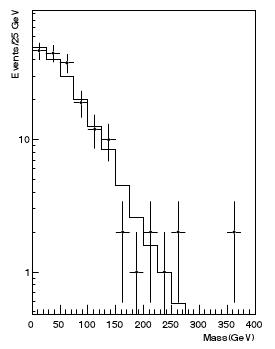
 I was saddened today upon hearing of the death of Franco Rimondi, a colleague in the CDF experiment. Franco was a professor of physics at the university of Bologna since 1980. His research in particle physics encompasses the last forty years, during which he collaborated with many experiments, starting with bubble chamber kaon decay studies in the late sixties, and then ADONE at Frascati in the seventies, and the split field magnet (SFM) at CERN. The experiment he spent most of his research career on was however probably CDF, at the Fermilab Tevatron collider.