Andras Kovacs studied Physics at Columbia University. He currently works as CTO of BroadBit Batteries company. Andras recently wrote an interesting book, which I asked him to summarize and introduce here. The text below is from him [T.D.]

This blog post introduces a newly published book, titled "Maxwell-Dirac Theory and Occam's Razor: Unified Field, Elementary Particles, and Nuclear Interactions".
Are you going to be in the Hamburg (Germany) area on July 7th? Then mark the date! The AMVA4NewPhysics and INSIGHTS ITN networks have jointly organized, with the collaboration of the DESY laboratories and the Yandex school of machine learning, a public lecture titled "Artificial Intelligence: past, present, and future". The lecturer is Prof. Pierre Baldi, from the Center for Machine Learning at the University of California Irvine.
The venue is the auditorium (horsaal) of the Deutsches Elektronen-Synchrotron (DESY) laboratories, just west of the center of Hamburg, at Notkestrasse 85. The event starts at 5PM.
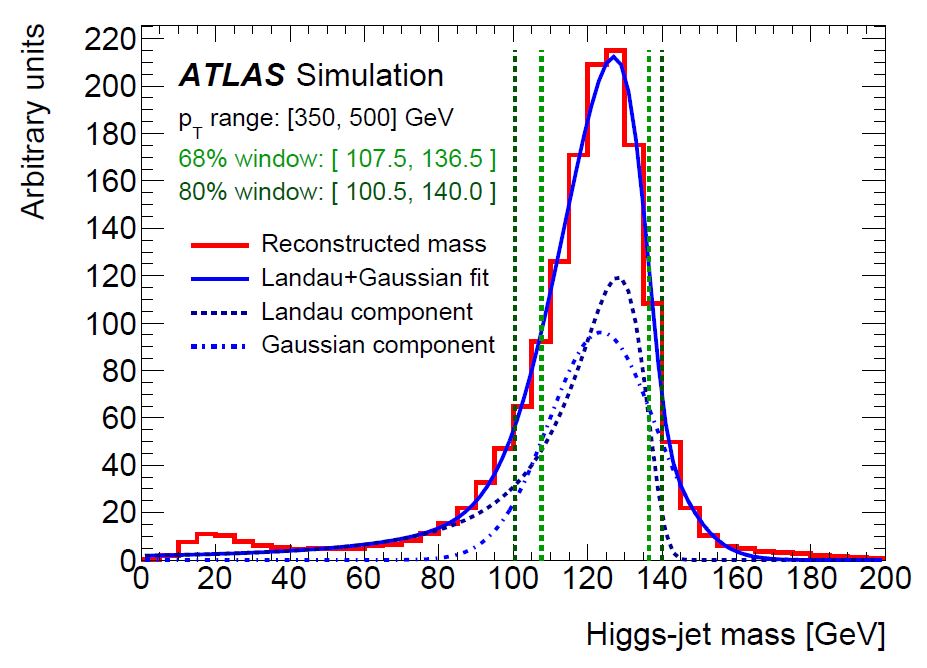
Particle physicists call "jet" the combined effect of many particles produced together when an energetic quark or gluon is kicked out of the hadron it called home, or when it is produced out of the blue by the decay of a massive particle.
The clearest example of the first process are the collisions we routinely produce at the Large Hadron Collider, where pairs of protons traveling at close to the speed of light bang into each other head-on. Protons are like bags of garbage: they contain a complex mix of quarks and gluons. So what happens in the collision is that one individual quark or gluon inside one proton hits a corresponding constituent in the other proton; the two pointlike objects scatter off each other, and get ejected out of the proton containing them.
I am reading a fun paper today, while traveling back home. I spent the past three days at CERN to follow a workshop on machine learning, where I also presented the Anomaly Detection algorithm I have been working on in the past few weeks (and about which I blogged
here and
here). This evening, I needed a work assignment to make my travel time productive, so why not reading some cool new research and blog about it?
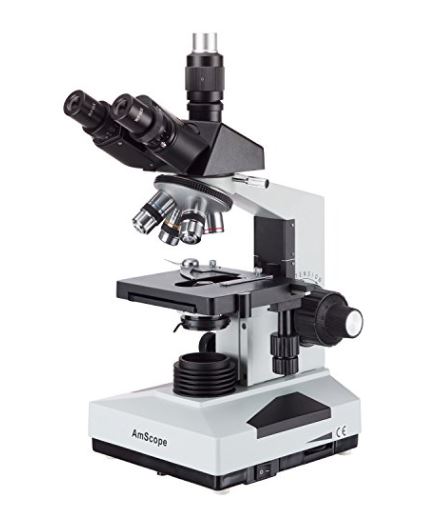
I have always been fascinated by optical instruments that provide magnified views of Nature: microscopes, binoculars, telescopes. As a child I badly wanted to watch the Moon, planets, and stars, and see as much detail as I could on all possible targets; at the same time, I avidly used a toy microscope to watch the microworld. So it is not a surprise to find out I have grown up into a particle physicist - I worked hard to put myself in a vantage position from where I can study the smallest building blocks of matter with the most powerful microscope ever constructed, the Large Hadron Collider (LHC).
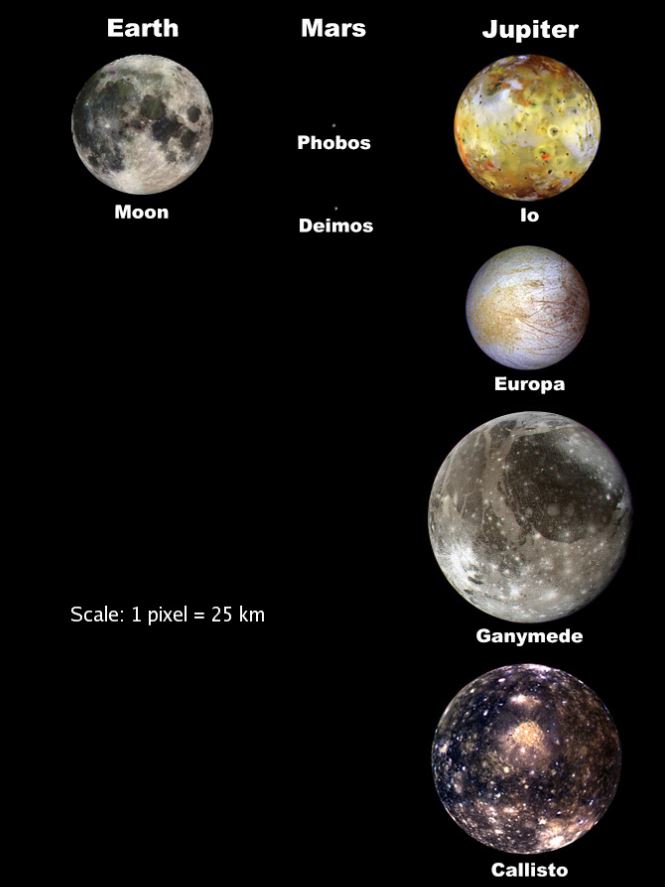
Last night I was absolutely mesmerized by observing the transit of Ganymede and Io, two of Jupiter's largest four moons, on Jupiter's disk. Along with them, their respective ink-black shadows slowly crossed the illuminated disk of the gas giant. The show lasted a few hours, and by observing it through a telescope I could see a three-dimensional view of the bodies, and appreciate the dynamics of that miniature planetary system.
In this post I wish to explain to you, dear reader, just why the whole thing is so fascinating and fantabulous to see, in the hope that, should you have a chance to observe it yourself, you grab the occasion without considering the lack of sleep it entails. I am sure you will thank me later.


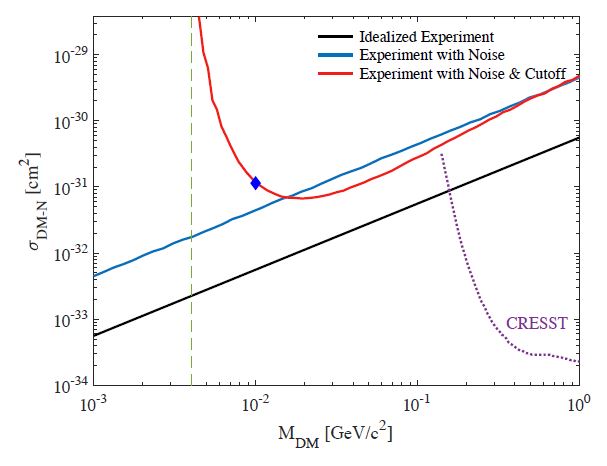
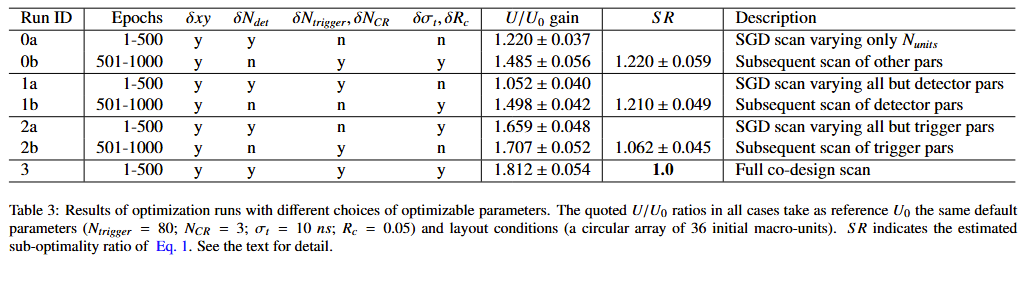 Co-Design Of Scientific Experiments
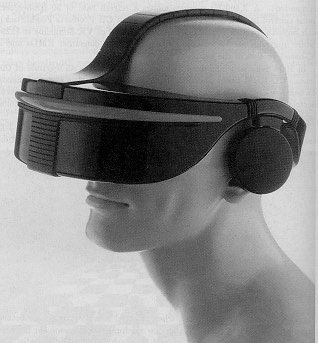 Travel With Two Infants
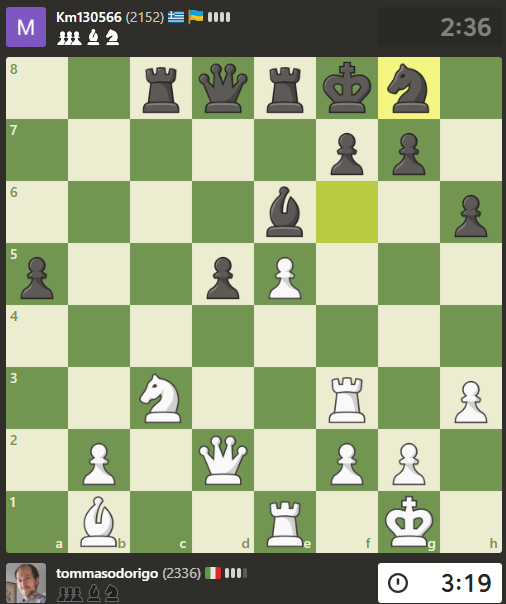 A Nice Little Combination
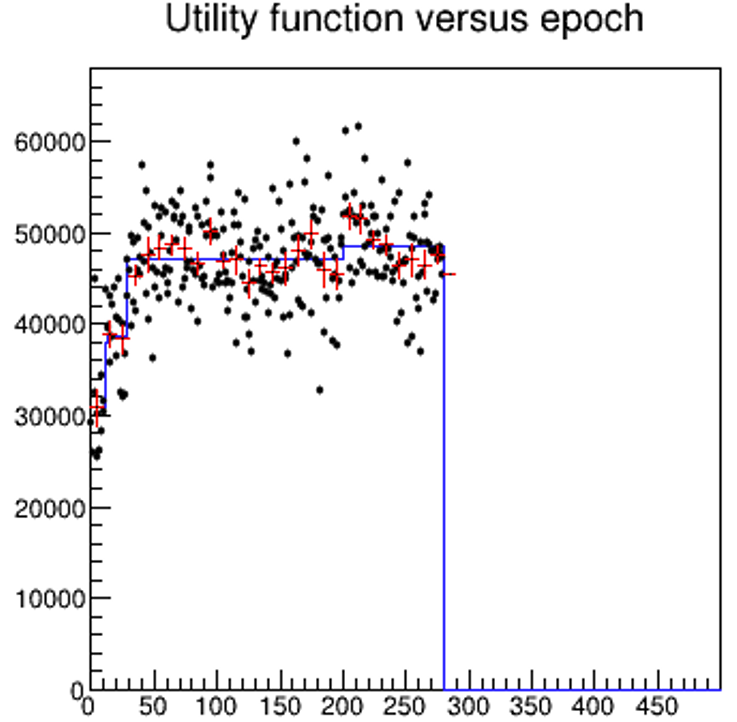 The Strange Case Of The Monotonous Running Average