Fake Banner
Co-Design Of Scientific Experiments

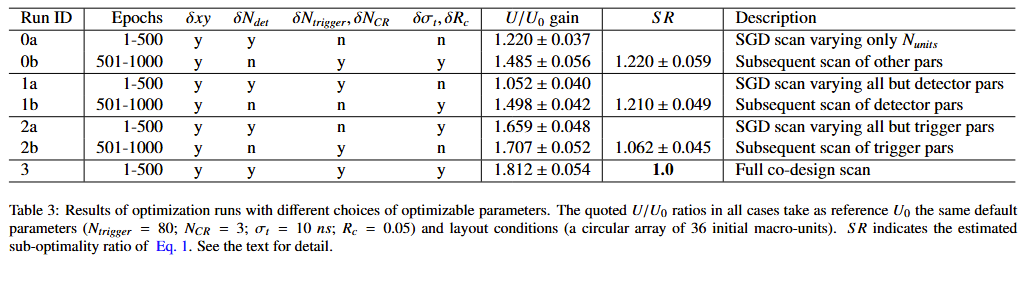
Next Monday, or Tuesday at the latest, you will find a new bulky paper in the arXiv. Titled "On...
Travel With Two Infants

The other day I traveled with Kalliopi and our two newborns to Padova from Lulea. After six full...
A Nice Little Combination

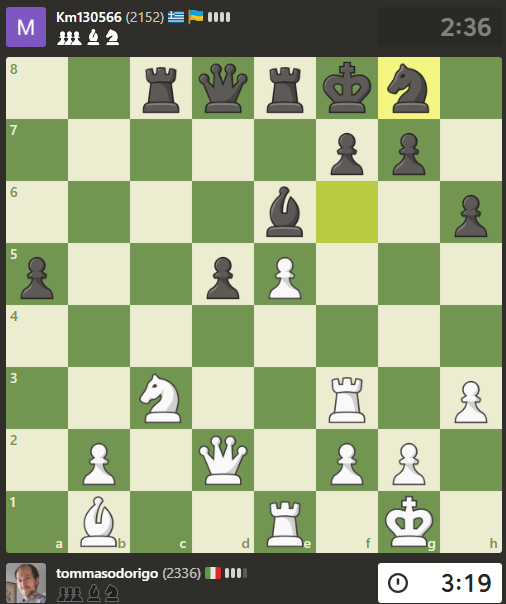
Although I have long retired from serious chess tournaments (they take too much time, a luxury...
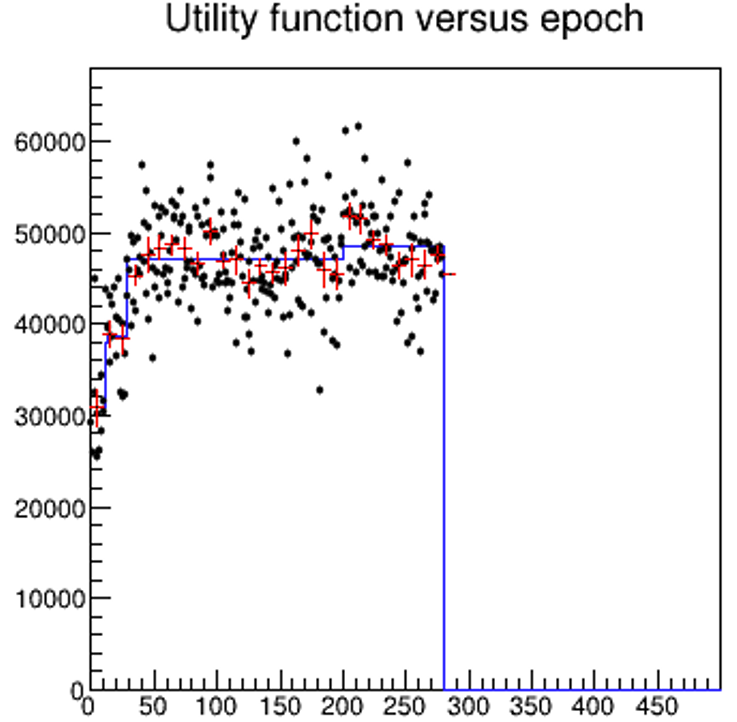
The Strange Case Of The Monotonous Running Average

These days I am putting the finishing touches on a hybrid algorithm that optimizes a system (a...

User picture.
picture for Hank Campbellpicture for Patrick Lockerbypicture for Heidi Hendersonpicture for Bente Lilja Byepicture for Sascha Vongehrpicture for Johannes Koelman
Tommaso DorigoRSS Feed of this column.

Tommaso Dorigo is an experimental particle physicist, who works for the INFN at the University of Padova, and collaborates with the CMS and the SWGO experiments. He is the president of the Read More »

Blogroll
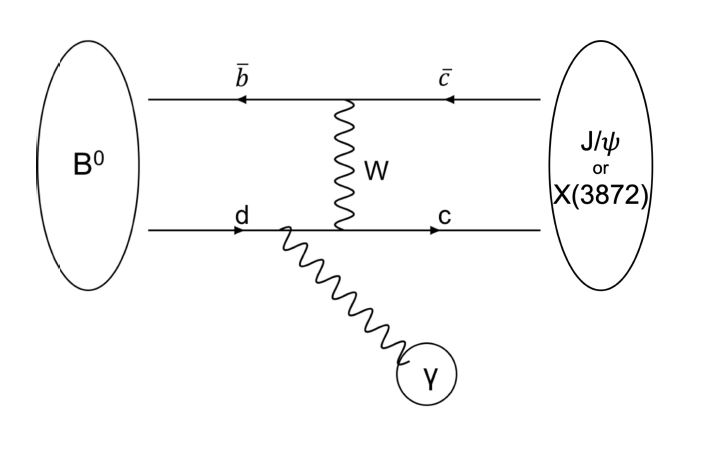
I know, the title of this article will not have you jump on your chair. Most probably, if you are reading these lines you are either terribly bored and in search of anything that can shake you from that state - but let me assure you that will not happen - or you are a freaking enthusiast of heavy flavour physics. In the latter case, you also probably do not need to read further. So why am I writing on anyway? Because I think physics is phun, and rare decays of heavy flavoured hadrons are interesting in their own right.
And there it starts. At a very important juncture for fundamental science, physicists are gathering in Granada this week as part of a multi-pronged program that will lead to agreeing on what are the priorities for particle physics in Europe. Given that particle physics is a global, collaborative endeavour nowadays, with experiments typically composed by thousands of physicists from all around the world, we can be sure that what will be agreed is going to shape the future years of this experimental discipline, as not only European projects are discussed, but more in general all projects to which European scientists contribute.
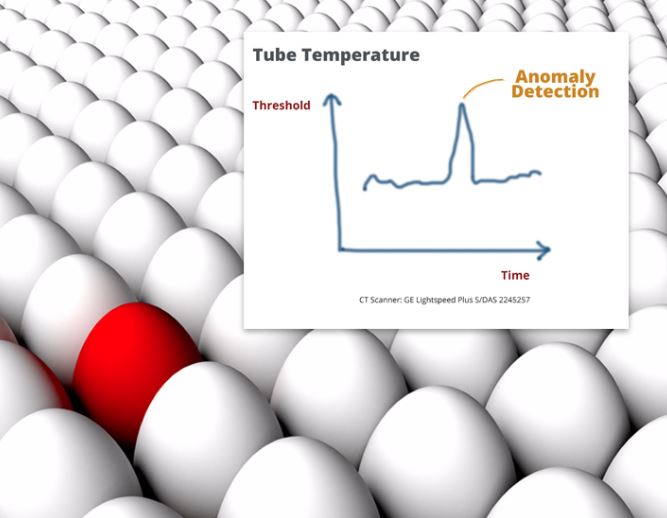
A few weeks ago I posted here an idea of how one could design an algorithm that looks for new physics processes in Large Hadron Collider data, without giving the algorithm any knowledge whatsoever of how those new physics processes should behave.
Should you ever get invited to a party at my house in Padova, you will discover something that I otherwise do not publicize much - I am an avid mineral collector. I started as a child, fascinated by the colours and shapes that those shiny crystals could take - a rare instance of Nature betraying its inner secrets, for those shapes, easy to make out by sight or touch, faithfully reproduce the organization of their atomic lattice. 
Experimental particle physics, the field of research I have been involved in since my infancy as a scientist, consists of folks like you and me, who are enthusiastic about constructing new experiments and testing our understanding of Nature. Some spend their life materially designing and building the apparata, others are more attracted by torturing the data until they speak. 

To be precise, data analysts can be divided further into two classes, as I was once taught by my friend Paolo Giromini (a colleague in the late CDF experiment, about whose chase for new physics I have written in my book "Anomaly!"). These are aptly called "gatherers" and "hunters".

The European Commission pays close attention to document the work of the projects that benefited of its funding. With that intent, the AMVA4NewPhysics network has been described, along with its goals, in a 2016 article on the Horizon magazine.