In older countries it has become common for young people to live with their parents until, and sometimes well after, they get married.
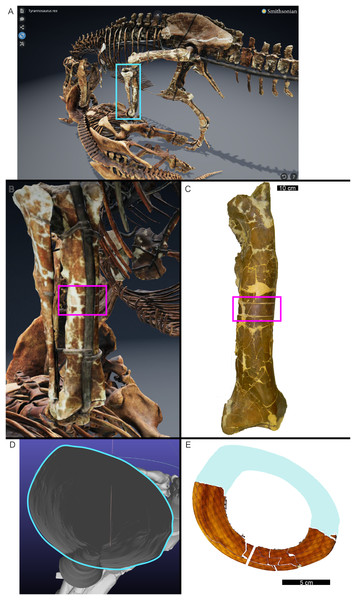
A new study finds that some parts of the animal kingdom don't even stop growing until what it middle age for humans. An analysis of 17 tyrannosaurus rex specimens, from early juveniles to older adults, concludes they took 40 years to reach their full size of around eight tons.
Colorectal cancer, cancer of the colon and rectum, is the third most common form of cancer in the world and has the second highest mortality rate. When caught early enough, it is usually treated with surgery, radiation or chemotherapy, methods that can have significant side effects.
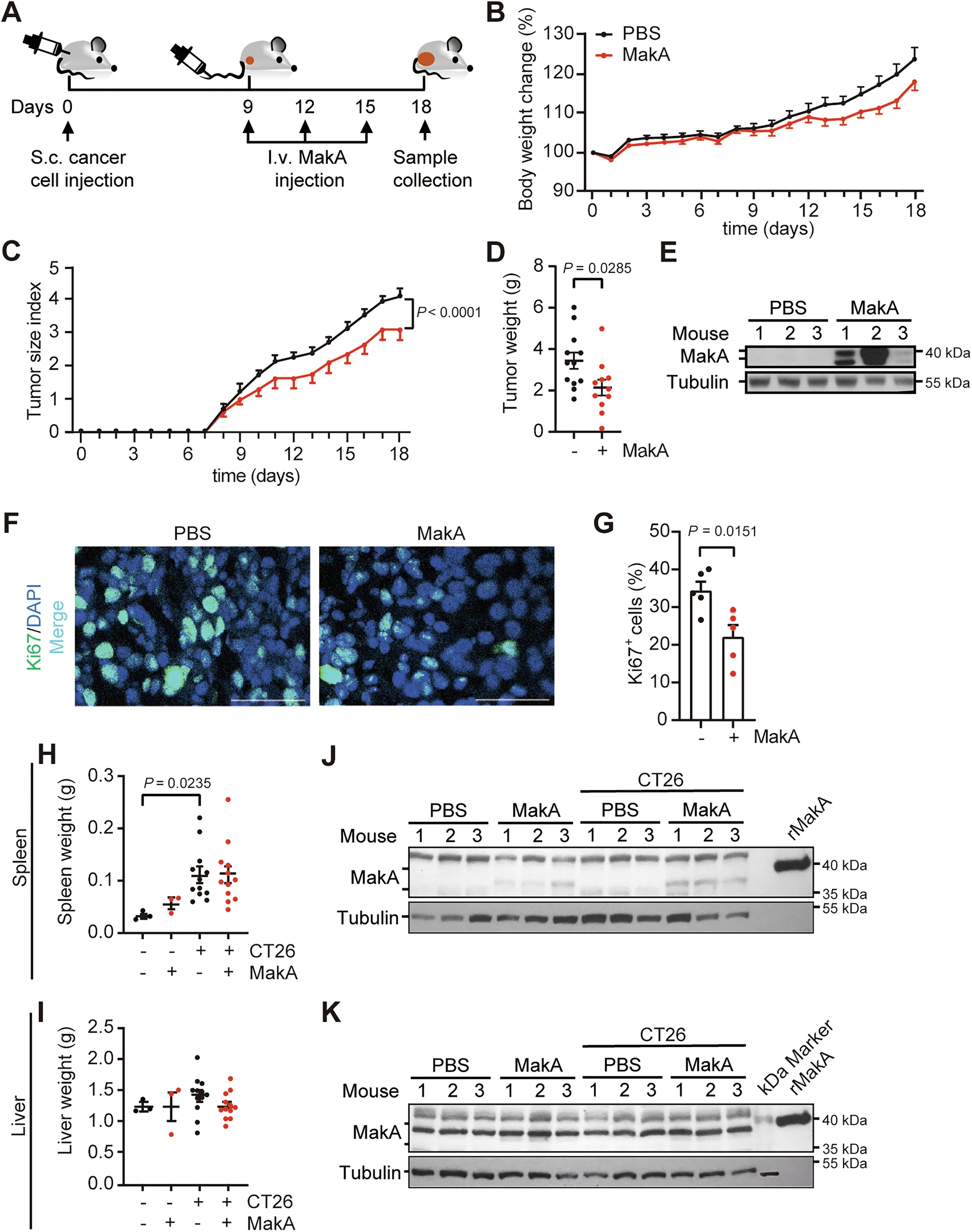
A new study highlights a fourth way, one the researchers hope could have fewer side effects. They found that a purified toxin secreted by cholera bacteria can slow the growth of colorectal cancer and has not shown any side effects. It worked by changing the immune microenvironment in tumors.
Diabetic foot infections are a serious complications of diabetes and a leading cause of lower-limb amputation but little is known about the specific pathogens involved in these chronic foot infections, particularly E. coli, despite its frequent detection in clinical samples.
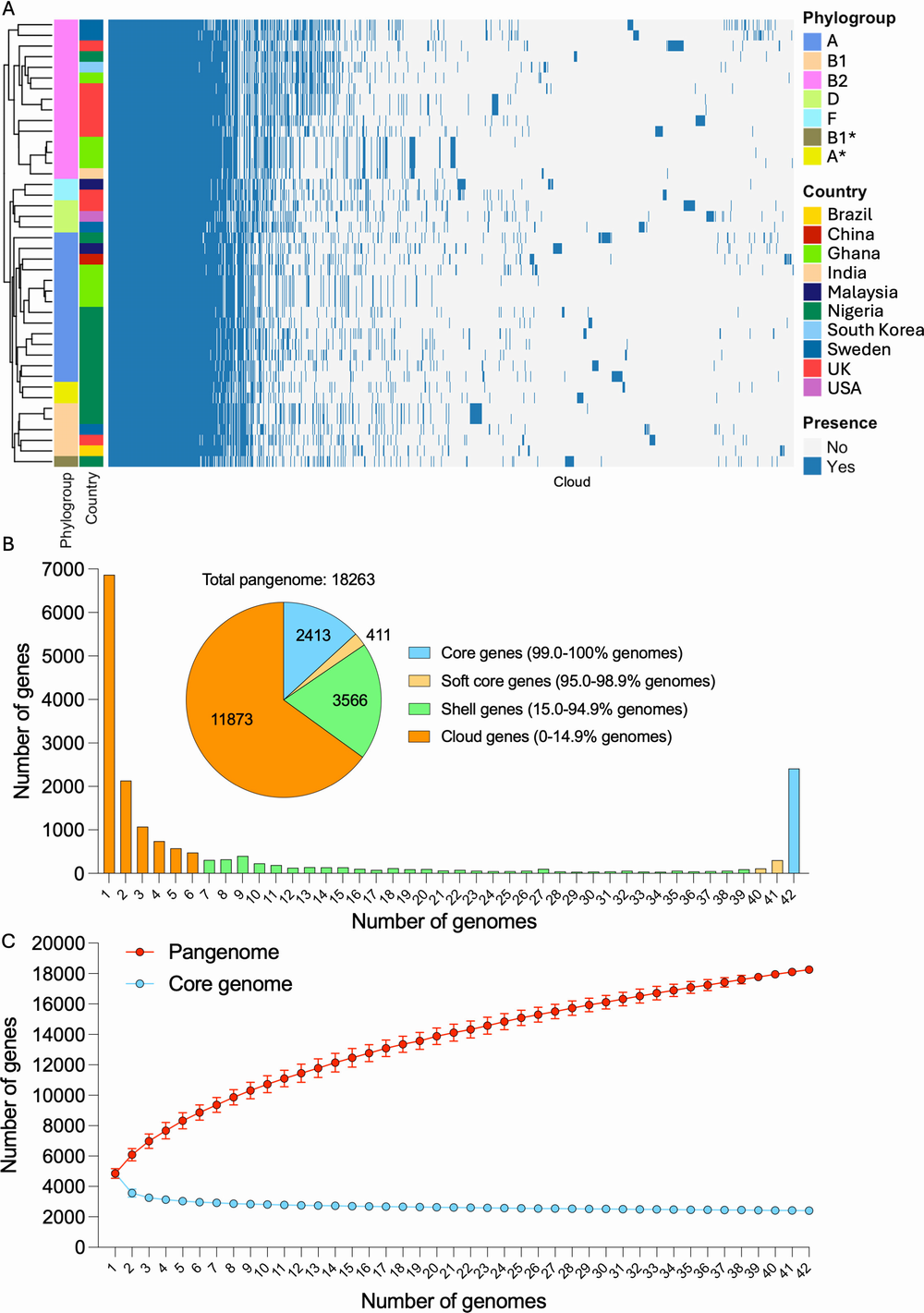
A new genomic characterization of E. coli strains isolated directly from diabetic foot ulcers across multiple continents may help explain why some infections become difficult to treat and lead to severe, even life-threatening, outcomes. The team analyzed whole-genome sequences from 42 E. coli strains isolated from infected diabetic foot ulcers in patients from Europe, Africa, Asia, and the Americas and sequenced the complete DNA of each bacterial strain.
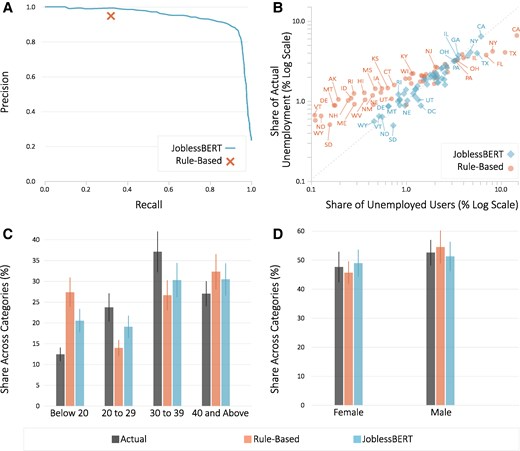
Government unemployment data today are what Nielsen TV ratings were decades ago - a flawed metric only believed if you like what they show. Government unemployment data take too long, like the CDC for the last 15 years needs six weeks to tell the public if lettuce has E. coli, and it only measures people getting paid through unemployment insurance. Once that runs out, to the government they are suddenly employed again.
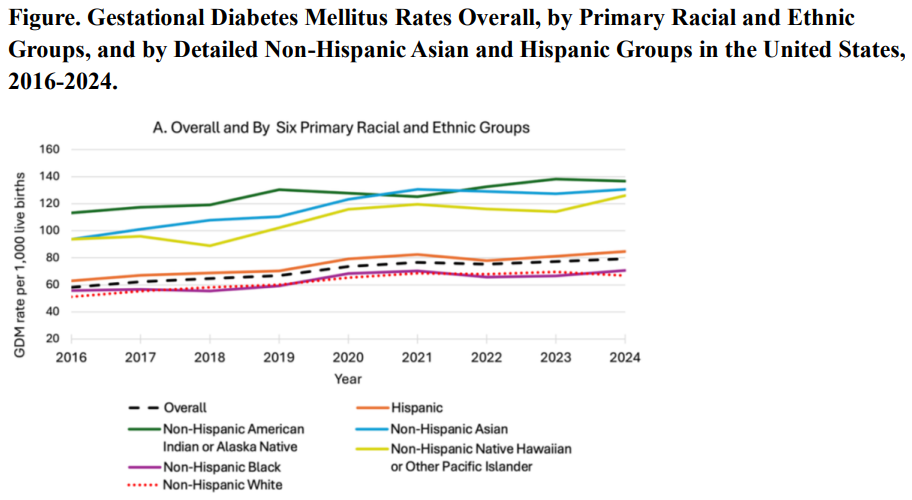
Gestational diabetes, a form of glucose intolerance during pregnancy, occurs primarily in women who already had obesity and added more weight. It not only carries immediate pregnancy risks but increases the chance of future heart disease for both the mother and the child.
And it has gone up every year since 2016, according a new analysis of more than 12 million U.S. births from the National Center for Health Statistics; up 36 percent during the study period. Pregnancy is simply a trigger for something likely to happen eventually, due to poor energy balance among more women. They eat far more than they burn with exercise, which leads to weight gain and risks of many lifestyle diseases only exceeded by alcohol and cigarettes.
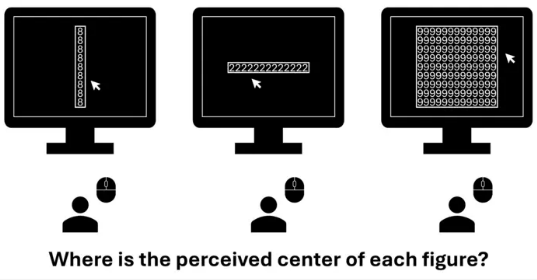
Researchers recently studied the relationship between numerical information in our vision, and how it affects our perception of space - and discovered subtle asymmetries that color our view on the world.
They wanted to see if numbers in our vision create “attentional biases” so volunteers were asked to identify the center of lines and squares filled with numbers. It showed how our perception of space is a complex interplay between “object-based” processing and our processing of numerical information.


 You Didn't Feel Continental Mantle Earthquakes, But They Happened. A Lot
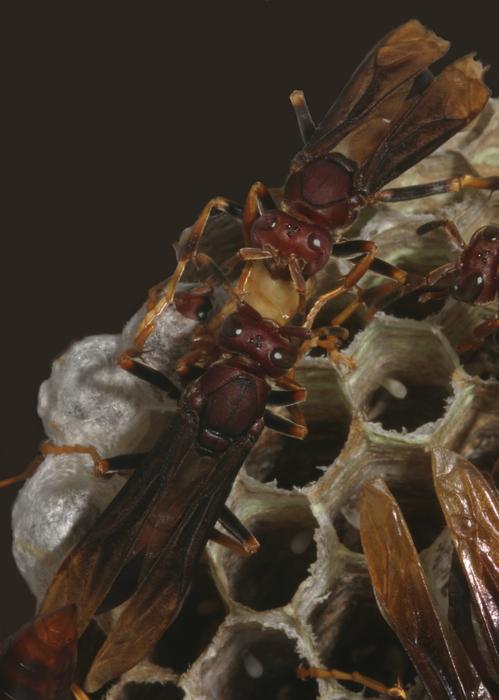 How To Overcome Leadership Battles
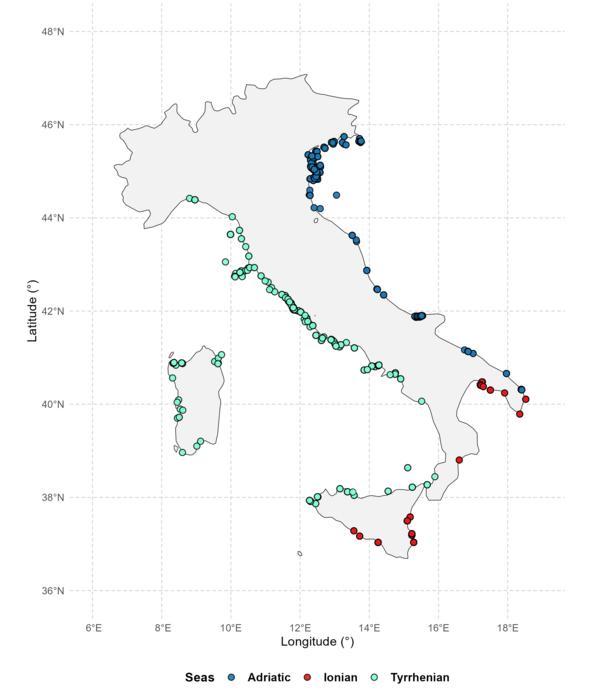 Thousands Of Unpublished Studies Show Why Conservation Efforts Miss The Mark
 Why Antarctic Sea Ice Stopped Growing In 2015