Updates:
-
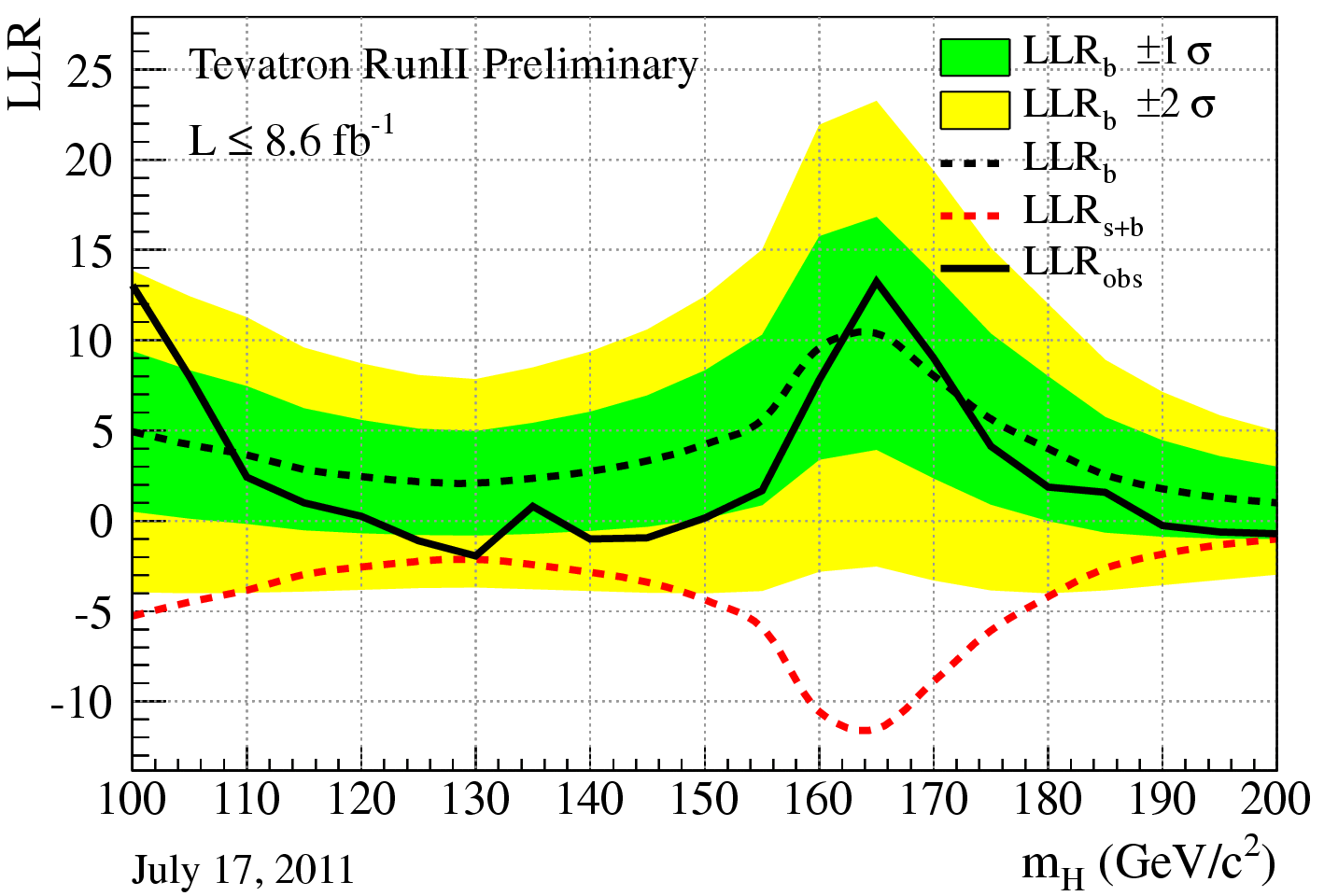
Philip Gibbs does a great job, as always, at combining -albeit approximately- the results of different experiments in the Higgs search. He now has even a full combination of LEP II + Tevatron + CMS + ATLAS, where the signal strength, in SM units, fits absolutely bang on for a Higgs mass of about 125 GeV. Please see his article at the link above; but I cannot resist from stealing his most intriguing picture (sorry Phil!):

Every once in a while Lubos pleases with one of his straight-leg tackles, as he deals with stuff he shouldn't be a-messing with (I am still giggling at an incident of a few years ago, when he
publically apologized after a week of nonsense). Today it's one of those blessed moments.
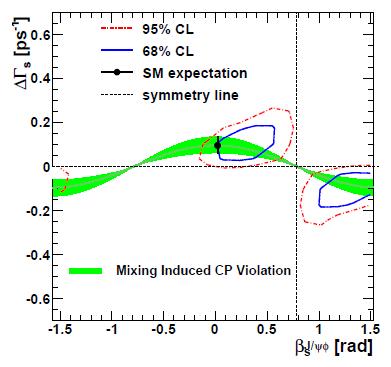
It is so annoyingly sweet to be right, when being right means that one's job is not going to become more exciting in the near future... Today CDF published their analysis of CP violation in the Bs sector, where a very exciting three-sigma deviation from the Standard Model predictions had been a bit prematurely and uncautiously claimed by a group of phenomenologists in 2008.
As everybody knows, next Tuesday we will be treated with a CERN webcast of the analysis results on the Higgs boson searches by ATLAS and CMS. I imagine many of you will want to tune in, but fear you will not grasp much given the typically technical jargon that physicists use to communicate the details of their analyses.
So I thought I would provide here a very short glossary of terms you are likely to hear, and which you might have a hard time understanding correctly. Let me see if I can do a decent job.
It is by now public that Rolf Heuer, the Director General of CERN, in announcing for December 13th two back-to-back talks of the CMS and ATLAS experiments on their Higgs search results with 2011 data, warned that the results might not be conclusive yet. Besides, nobody really could expect them to be, since the sensitivity expected by both ATLAS and CMS in the still not excluded region of the Higgs mass, with 5/fb of data per experiment and 7 TeV running conditions, ranges from 2 to 4 standard deviations in the rosiest circumstances.


 Choosing Your Bets: The Selection Bias
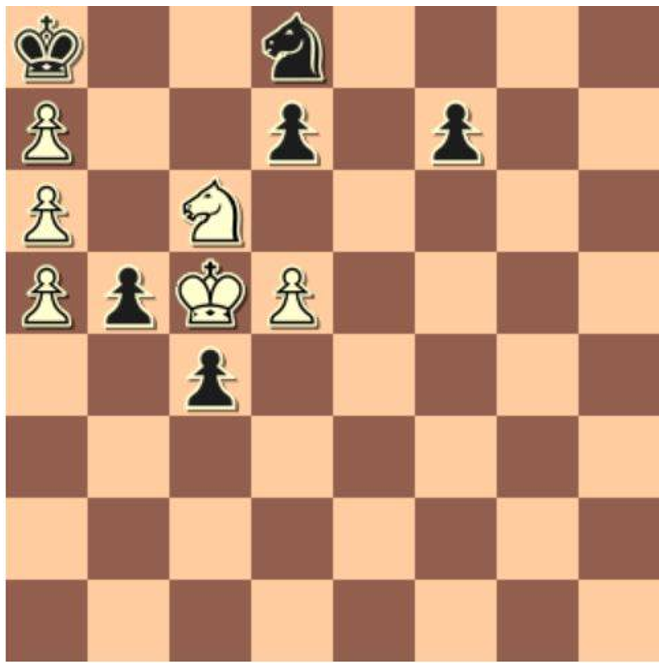 A Chess Study Requiring Backpropagation
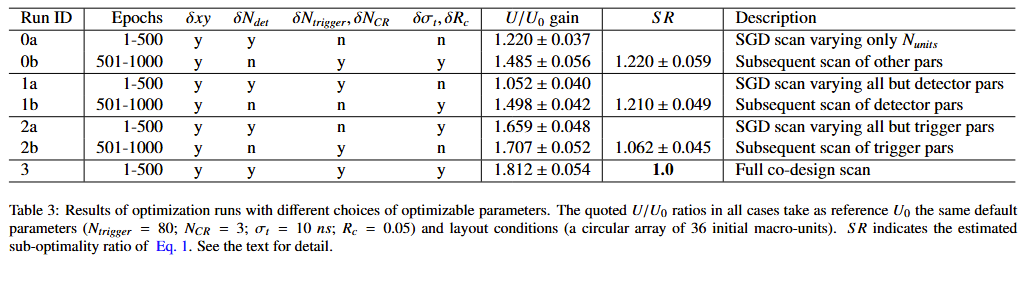 Co-Design Of Scientific Experiments