I am happy to report, with this rather unconventional blog posting, that I am getting married on January 12. My companion is Kalliopi Petrou, a lyrical singer. There will be no huge party involved in the event, as Kalliopi and I have lived together for some time already and the ceremony will be minimalistic. None the less, we do give importance to this common decision, so much so that I thought it would be a good thing to broadcast in public - here.
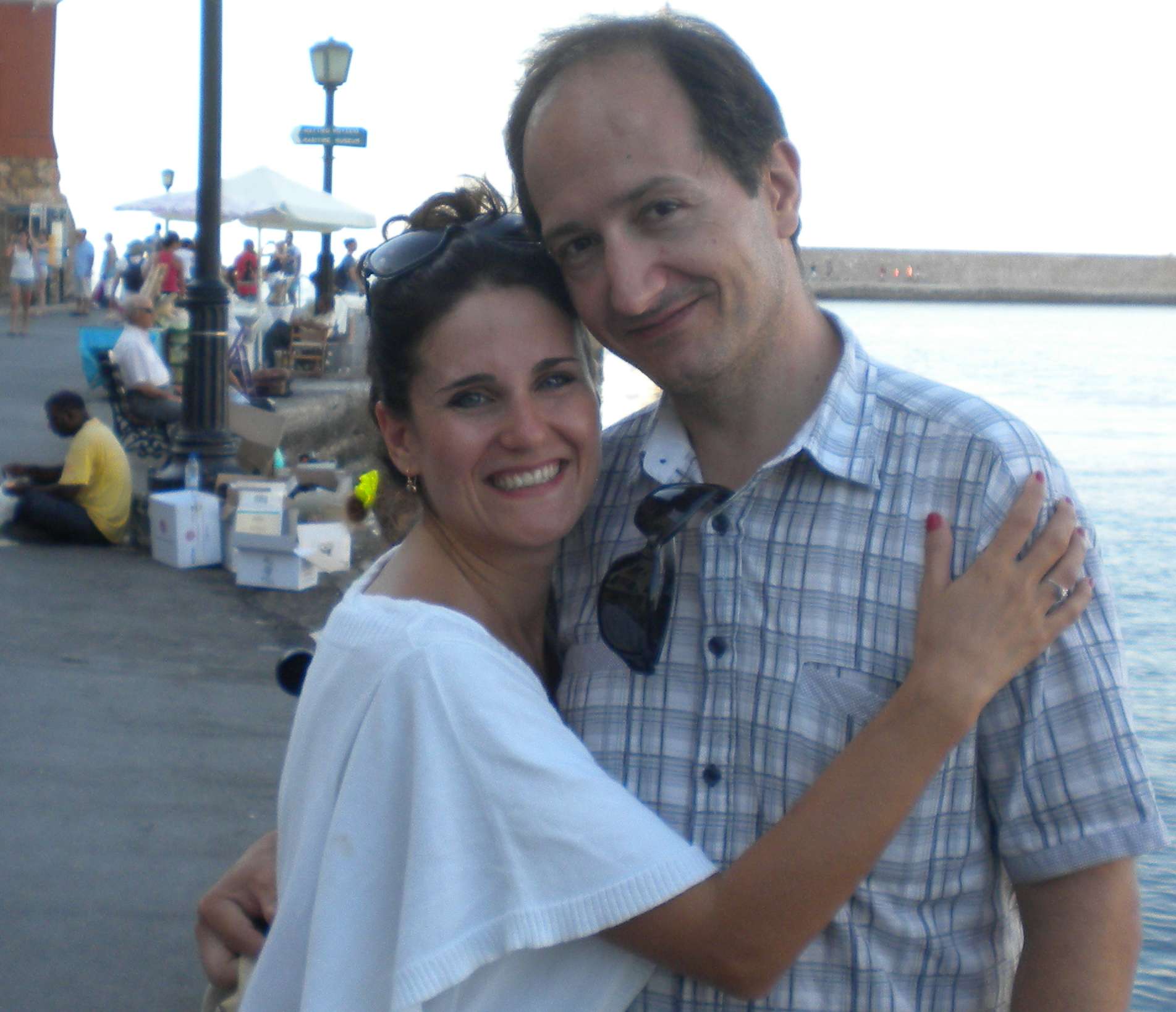
Two days ago, before returning from Israel, my fiancee Kalliopi and I had a very nice dinner in a kosher restaurant near Rehovot in the company of Eilam Gross, Zohar Komargodski, and Zohar's wife Olga.
The name of Eilam should be familiar to regulars of this blog as he wrote a couple of guest posts here, in similar occasions (in the first case it was a few before the Higgs discovery was announced, when the signal was intriguing but not yet decisive; and in the second case it was about the 750 GeV resonance, which unfortunately did not concretize into a discovery). As for Zohar, he is a brilliant theorist working in applications of quantum field theory. He is young but already won several awards, among them the prestigious New Horizons in Physics prize.
I thought it would be good to let you readers of this column know that in case you wish to order the book "Anomaly! Collider Physics and the Quest for New Phenomena at Fermilab" (or any other title published by World Scientific, for that matter) you have 10 more days to benefit of a 35% discount off the cover price. Just
visit the World Scientific site of the book and use the discount code
WS16XMAS35).
I am spending a week in Israel to visit three physics institutes for colloquia and seminars: the Tel Aviv University (where I gave a colloquium yesterday), the Haifa Technion (where I am giving a seminar today), and the Weizmann institute in Rehovot (where I'll speak next Wednesday).
Today I am actually quite proud of my research institute, the "Istituto Nazionale di Fisica Nucleare, INFN, which leads Italian research in fundamental physics. In fact a selection to hire 73 new researchers with permanent positions has reached its successful conclusion. Rather than giving you my personal opinions (very positive!) I think it is better to let speak the INFN president Fernando Ferroni, and the numbers themselves.


 Choosing Your Bets: The Selection Bias
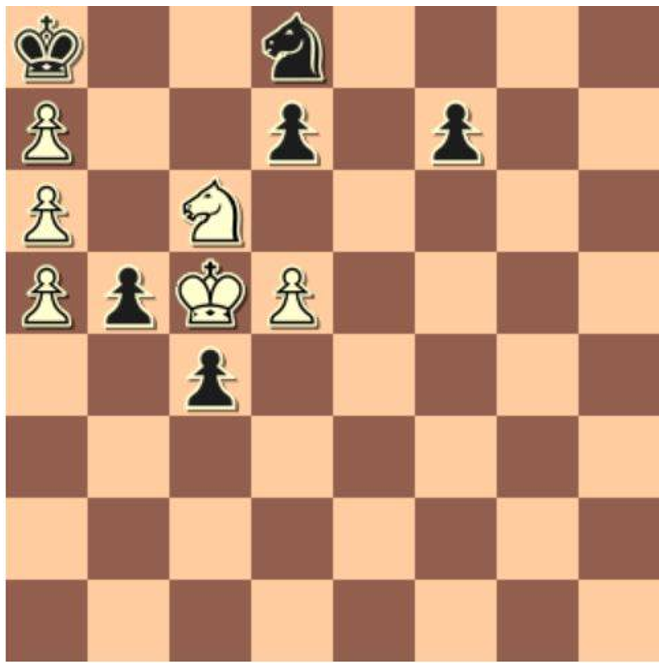 A Chess Study Requiring Backpropagation
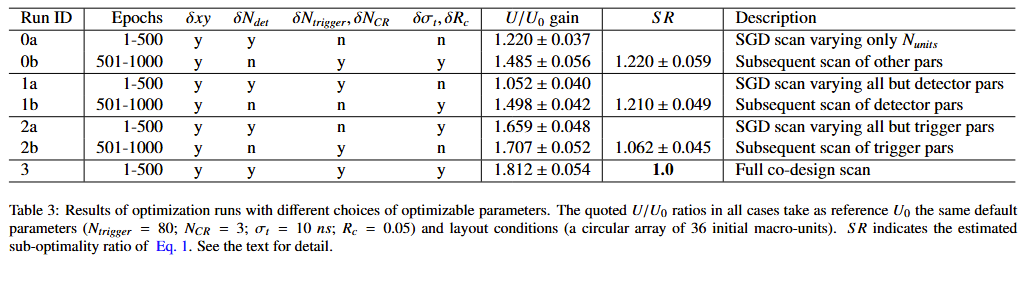 Co-Design Of Scientific Experiments