Fake Banner
Environmentalists, What Are You Asking From Dedmoroz Lenin For Earth Day This Year?

Tomorrow is Earth Day. It is also Lenin's birthday. That's not coincidence. The leader of...
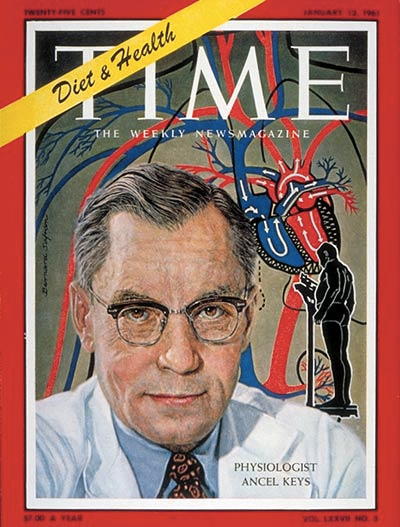
How Ancel Keys Went From MAHA Hero To MAHA Villain

If a lot of the food and health claims you read and hear today seem like things left over from...
Are Baseball Pitchers Faster Today?

On September 7, 1974, pitching for the California Angels, Nolan Ryan, known for his velocity, became...
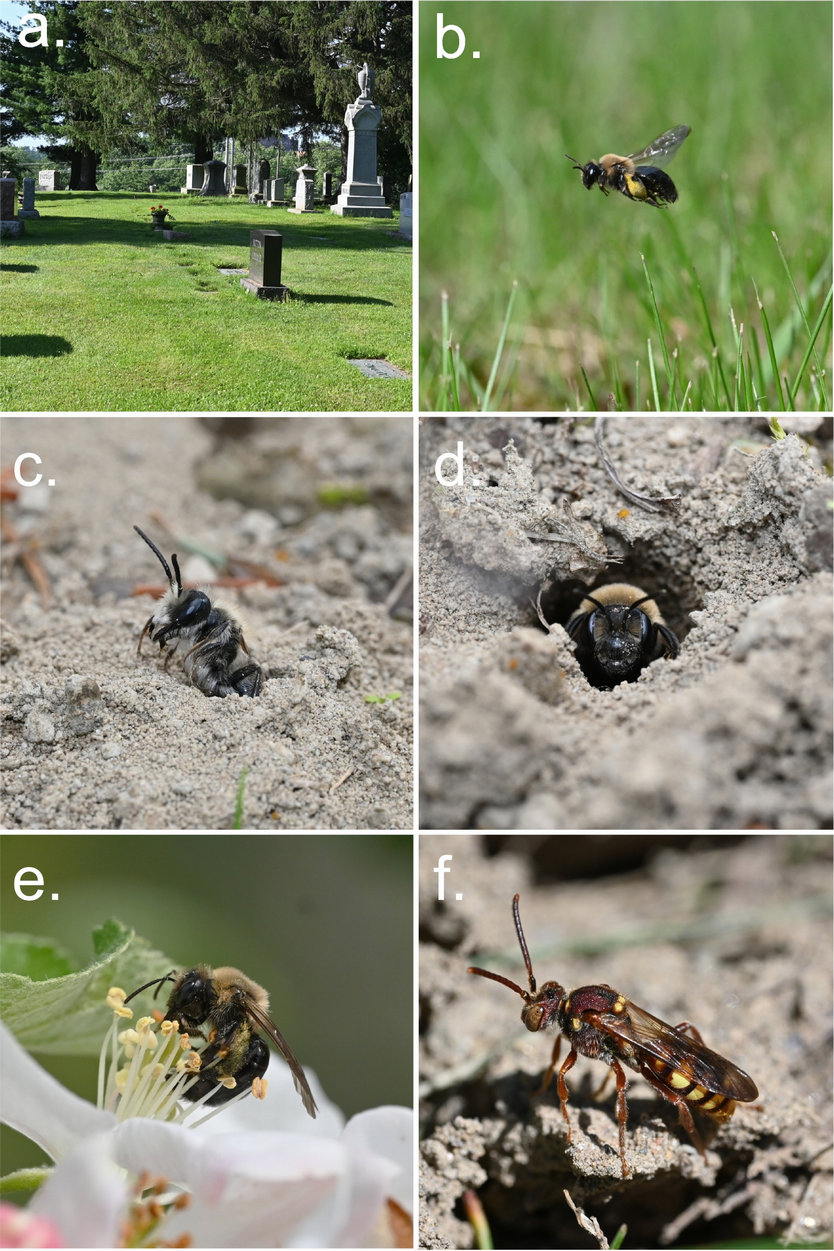
Ground-Nesting Bee Populations Don't Get Publicity But They're Everywhere

Honeybees get attention in environmental fundraising campaigns because people don't understand...

User picture.
picture for Tommaso Dorigopicture for Heidi Hendersonpicture for Fred Phillipspicture for picture for Hontas Farmerpicture for Atreyee Bhattacharya
Hank CampbellRSS Feed of this column.

I founded Science 2.0® in 2006 and since then it has become the world's largest independent science communications site, with over 300,000,000 direct readers and reach approaching one billion. Read More »

Blogroll
Try to imagine a world where people though wild lettuce was a status symbol and superior to lettuce grown on a farm; a salad would cost $400.

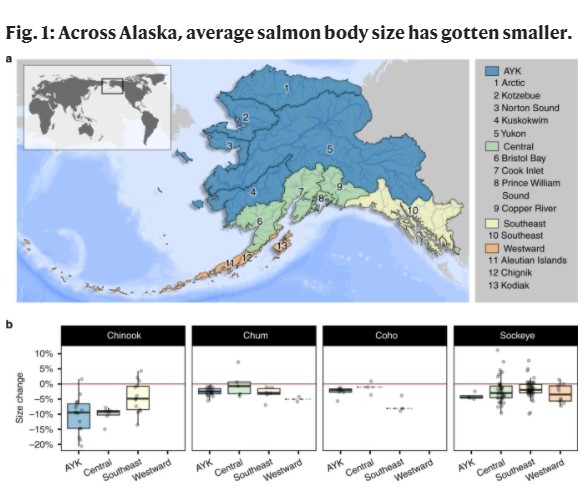
That is the problem with salmon. Elite customers want to know a laborer sweated for it, they insist if it is farmed it must be inferior but unlike organic certified pineapples or non-GMO rock salt, the naturalist fetish has real world consequences when it comes to the sea. Salmon are getting smaller, because they are spending less time at sea before being caught.
Though periodic deaths of bees continue to happen, and have been documented for as long as records of bees have been kept, over 1,000 years, efforts to blame the most recent statistical blip on a newer class of pesticides designed to reduce pesticide usage, neonicotinoids, have fallen flat. Parasites remain the big killer, as does winter, even changes in land. Arguably the only thing not killing bees are seed treatments created so there would be less pesticide in the environment.
The 'teach to the protocol' environment created by government and insurance companies has removed much of the critical thinking in modern medicine, and a new paper suggests even more regulations are needed.

It suggests that absent control, doctors are giving prescriptions for postpartum pain in new mothers containing a few too many pills. And those 7-9 extra pills, they claim, may lead to opioid addiction.
Few care about nature as much as hunters, fishers, and other outdoor sporting enthusiasts. Yet, that is the opposite of the narrative created by more militant environmental groups, who promote the belief that land must be untouched by people and legally off-limits, even if it means government social authoritarianism.

Yet in their desire to raise their $2 billion a year by keeping everyone on apocalyptic red alert, they miss something obvious; if no one is allowed to experience nature, they won't appreciate it or care about it in the future. And if they don't care because it's not valuable to them, they won't support environmental lawyers.
Consumers have been so saturated with vague marketing claims that nearly 50 percent can't correctly identify what is claimed to be a "healthier" option on packages.

That sounds bad, except buying whole grain or white bread or fancy crackers are not making any difference in health anyway.
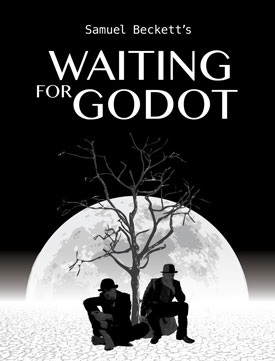
The 1948 Samuel Beckett play "Waiting for Godot" is about two people that are, as you can guess, waiting for Godot. They wait at a tree, but they have no idea who he is or if he will arrive. When the person they do not know and had no idea was ever arriving does not arrive, they decide to commit suicide using the tree, but give up on that because they don't have a rope. They say they are leaving, but stay. You get the idea.