Fake Banner
Environmentalists, What Are You Asking From Dedmoroz Lenin For Earth Day This Year?

Tomorrow is Earth Day. It is also Lenin's birthday. That's not coincidence. The leader of...
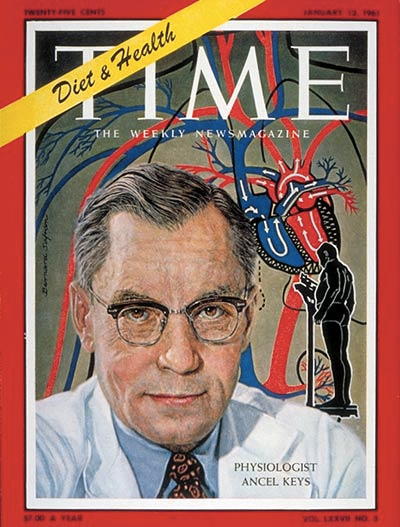
How Ancel Keys Went From MAHA Hero To MAHA Villain

If a lot of the food and health claims you read and hear today seem like things left over from...

Are Baseball Pitchers Faster Today?

On September 7, 1974, pitching for the California Angels, Nolan Ryan, known for his velocity, became...
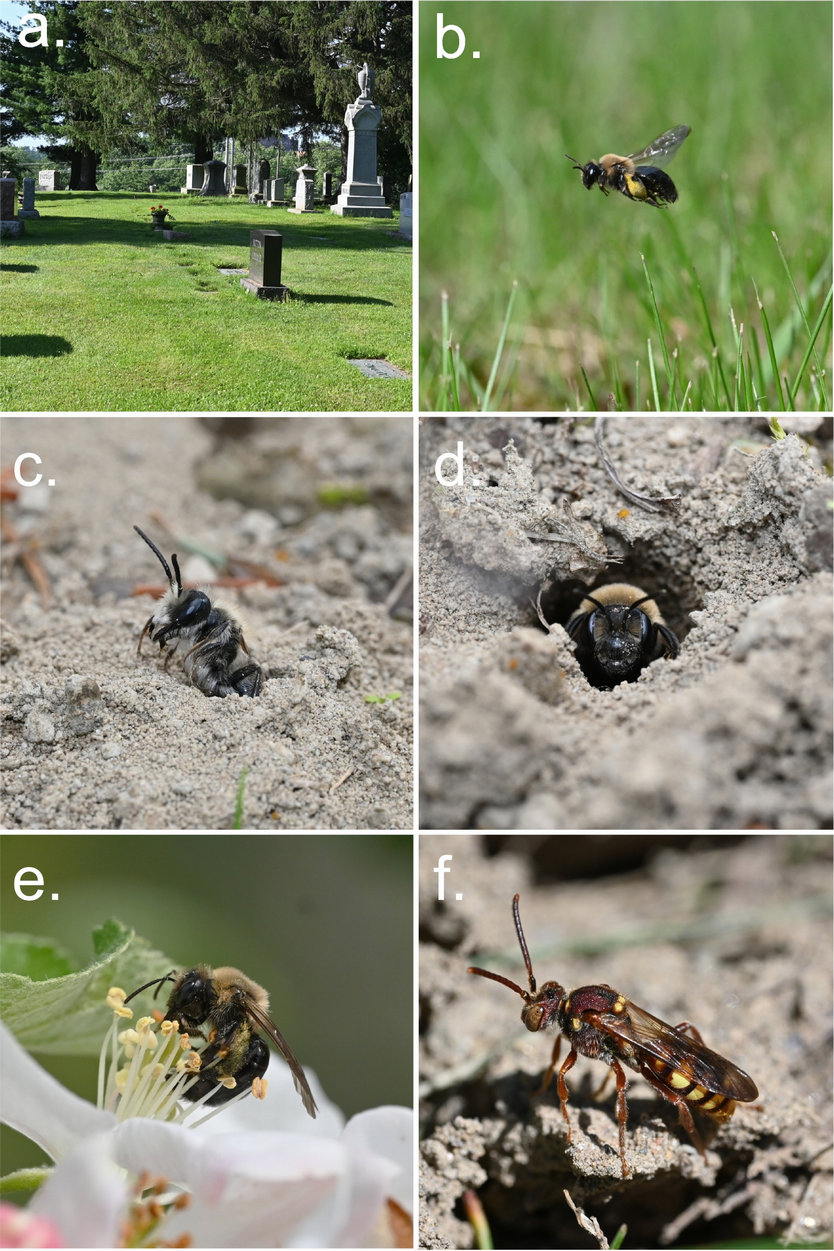
Ground-Nesting Bee Populations Don't Get Publicity But They're Everywhere

Honeybees get attention in environmental fundraising campaigns because people don't understand...

User picture.
picture for Tommaso Dorigopicture for Heidi Hendersonpicture for Fred Phillipspicture for picture for Hontas Farmerpicture for Atreyee Bhattacharya
Hank CampbellRSS Feed of this column.

I founded Science 2.0® in 2006 and since then it has become the world's largest independent science communications site, with over 300,000,000 direct readers and reach approaching one billion. Read More »

Blogroll
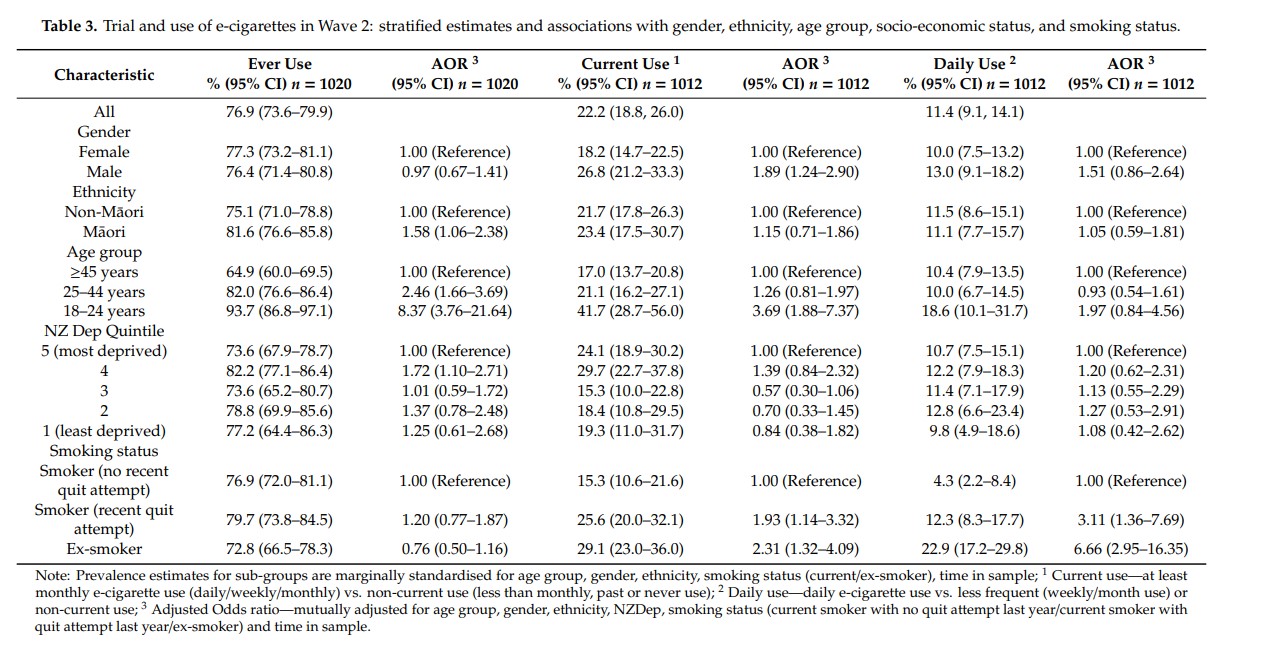
When e-cigarettes - vaping - began to gain in popularity in the early part of this decade, critics like Dr. Stan Glantz at UC San Francisco claimed they were only going to be used in addition to cigarettes, so risk reduction and smoking cessation would not happen.

Former smokers dismissed both him and his Johnson  & Johnson funding - they make nicotine patches that compete with vaping - as a little too convenient, and data since has shown his claims were unfounded. 
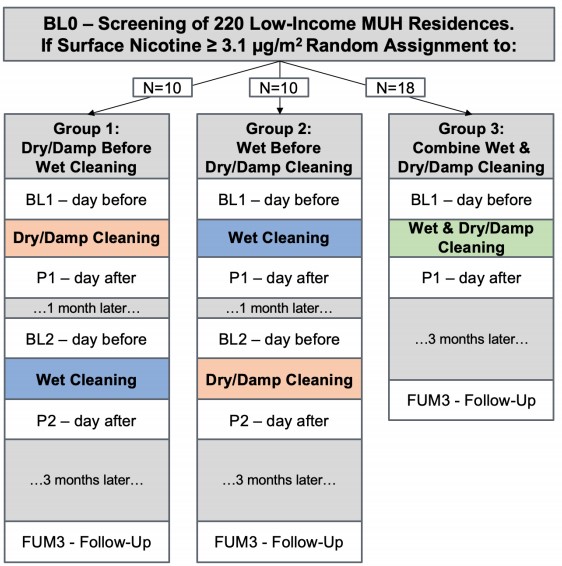
With COVID-19 and worries about the SARS-CoV-2 virus keeping millions of people at home, activists and lawyers are hoping to resurrect worry about a problem dismissed by scientists as a money grab; third-hand smoke.
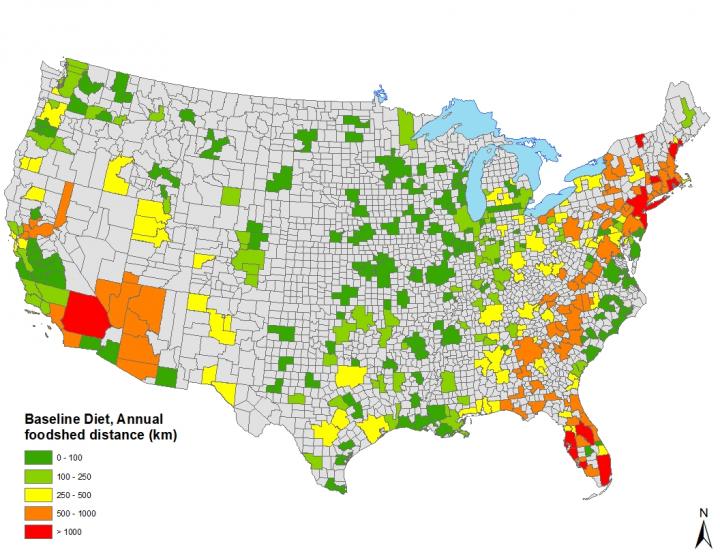
A new estimate says that of 378 metropolitan areas, many could actually exist on locally grown food - if the local area is up to 200 miles away, which means New York City could claim farms in Delaware, New Jersey, Pennsylvania, Rhode Island, Massachusetts, and Connecticut are local to New York. 

Even then, diets would have to change, because progress has meant having diversity and choice, and if locally-grown were really necessary, the population would starve along the Eastern Seaboard and the Southwest of the U.S. And meat would only be for the rich.
While it is said that around six percent of voting Americans decide elections - the truly undecided - it is more the case that getting out the vote among your own party matters most. That is why political parties will drive their own to polling places while telling the other side the date of the election has been changed.
Are you excited about dozens of COVID-19 vaccine candidates? Do you get confused about whether or not it's as harmful to have been exposed to the 2019 SARS-CoV-2 coronavirus as it is to have COVID-19? Do you think the malaria drug hydroxychloroquine will either save you from COVID-19 or give you a heart attack?

If any of the above are true, you have been reading too much corporate media and witnessed coverage that they can claim is resulting from peer-reviewed journals. 
Are Proud Boys and Antifa fighting each other 'to oppose fascism' a product of the COVID-19 pandemic? No, militant groups have always attracted people with pathologies who just need a reason to be violent, but pandemics do cause social unrest, at least historically.

There is a lot more isolation than in past pandemics but also a lot more community around SARS-CoV-2, the 2019 form of the coronavirus that has locked up most developed countries. Unlike the past, where nature was just trying to kill us, and the randomness of it all caused panic, people know where it originated and how. We know how to mitigate it. We are equipped to try and help those with co-morbidities. A lot of people have died, no one downplays that, but a lot fewer than in any pandemic ever.