Fake Banner
Environmentalists, What Are You Asking From Dedmoroz Lenin For Earth Day This Year?

Tomorrow is Earth Day. It is also Lenin's birthday. That's not coincidence. The leader of...
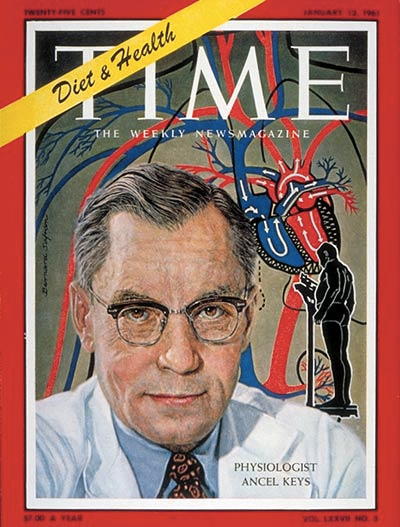
How Ancel Keys Went From MAHA Hero To MAHA Villain

If a lot of the food and health claims you read and hear today seem like things left over from...

Are Baseball Pitchers Faster Today?

On September 7, 1974, pitching for the California Angels, Nolan Ryan, known for his velocity, became...
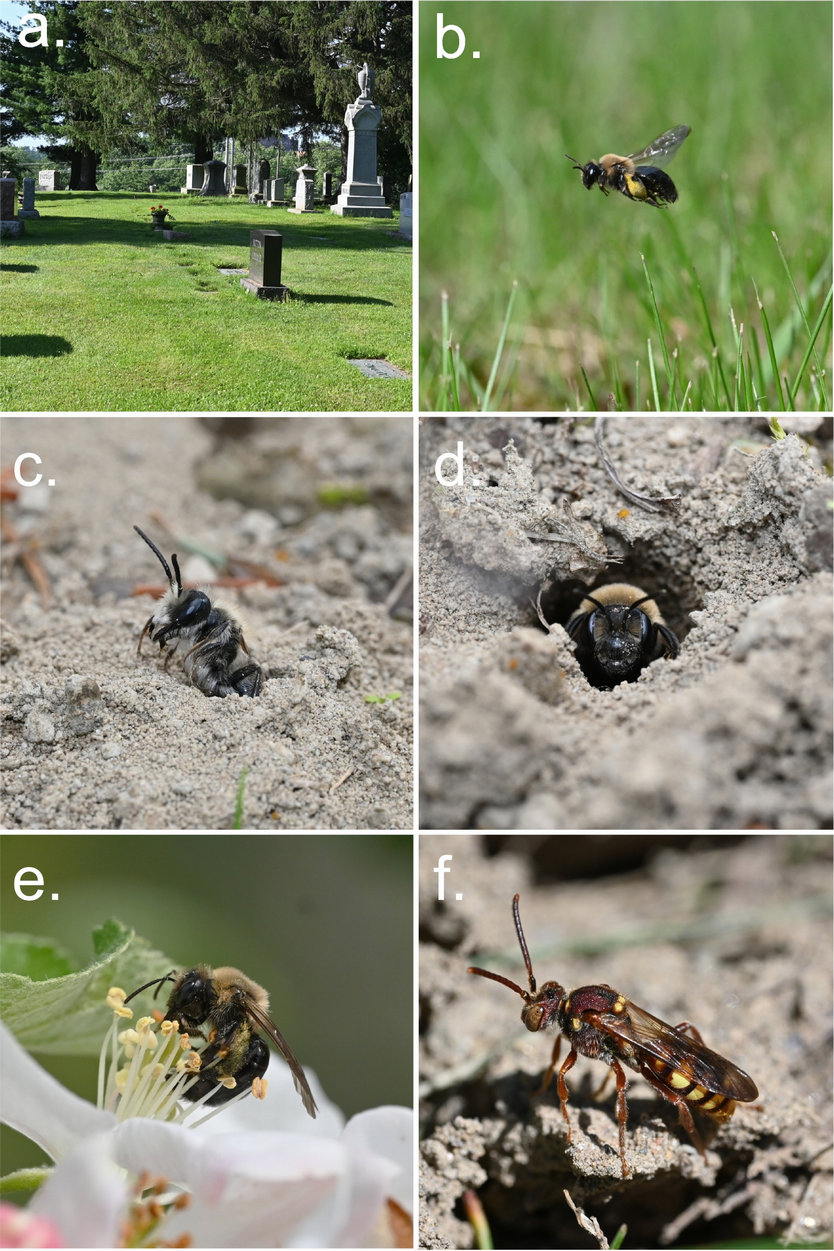
Ground-Nesting Bee Populations Don't Get Publicity But They're Everywhere

Honeybees get attention in environmental fundraising campaigns because people don't understand...

User picture.
picture for Tommaso Dorigopicture for Heidi Hendersonpicture for Fred Phillipspicture for picture for Hontas Farmerpicture for Atreyee Bhattacharya
Hank CampbellRSS Feed of this column.

I founded Science 2.0® in 2006 and since then it has become the world's largest independent science communications site, with over 300,000,000 direct readers and reach approaching one billion. Read More »

Blogroll
Did you read a paper saying we can prevent ocean damage under climate change scenarios by dumping iron into water to spur phytoplankton growth? Germans did, and were so convinced they began doing illegal live experiments

The model used a best-case scenario, which any entry-level chess player knows is a bad idea - they forgot to falsify their own hypothesis in their zeal to do something. A new paper notes that many ambitious climate action plans rely on climate engineering technologies where the risks are unknown. They are more like TED talks than real plans.
In late March of 2020, the Food and Drug Administration gave Emergency Use Authorization (EUA) for the malaria drug hydroxychloroquine as a treatment for COVID-19. The drug is already used off-label for diseases like arthritis and given how it behaves with human biology, it is plausible it might work on some with COVID-19. A peer-reviewed study found just that - but it was only epidemiology, and that is not how drug approval ever happens, any more than epidemiology alone should be how regulations happen at EPA or any policy-making group. 
People often adopt vegetarian or even vegan diets because they are told it will make them healthier, but the same epidemiological correlation that tried to link butter with heart disease claimed trans fats would prevent it, and now statistical links claim just the opposite. 
Researchers are on the hunt for a COVID-19 vaccine to eliminate the need for mask wearing and current limits on interpersonal gatherings (except protests), but a new model says it still may not help the world exit a lingering economic depression.
What do anti-vaccine believers have in common? A similar distrust in other settled science like GMOs and nuclear power, for one. And they all are more likely to share similar voting patterns, which means that even though only 20 percent of Americans hold negative views of vaccines, they have an outsized impact on policy. Because most of them are on the same political side.
Only 16 percent of Americans believe that Russia leapfrogged American scientists and successfully created a viable COVID-19 in a recent survey. They may be the same 16 percent who believe Russian propaganda sites like Russia Today and Sputnik when it comes to food: that Russia became the world leader in "organic" food with a press release saying they were; and energy, where Russia funds environmental groups to undermine natural gas so they can control Europe using a strategic resource while Germany can claim they have a larger percent of "renewable" energy domestically than would be possible if their energy was generated locally.