Fake Banner
Environmentalists, What Are You Asking From Dedmoroz Lenin For Earth Day This Year?

Tomorrow is Earth Day. It is also Lenin's birthday. That's not coincidence. The leader of...
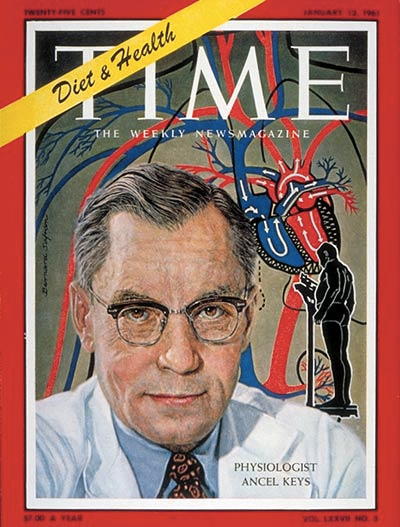
How Ancel Keys Went From MAHA Hero To MAHA Villain

If a lot of the food and health claims you read and hear today seem like things left over from...
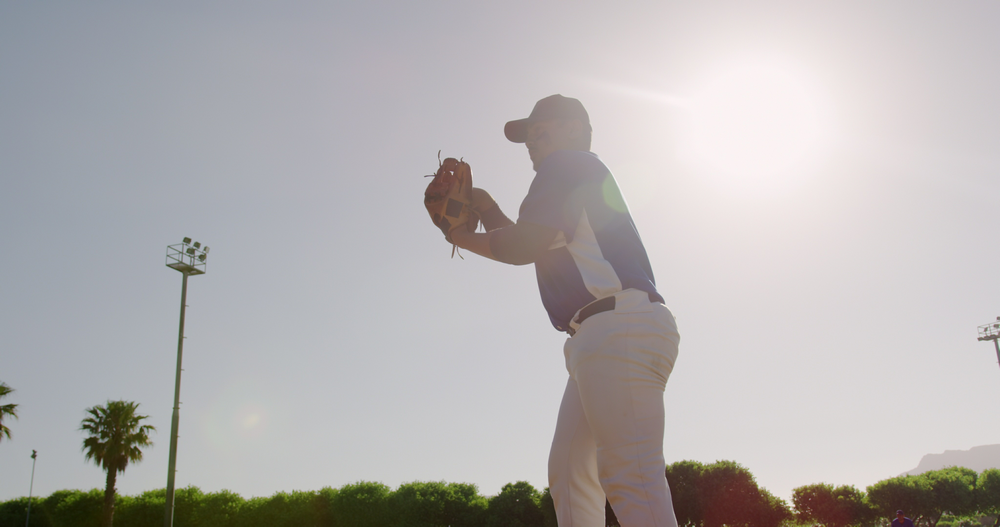
Are Baseball Pitchers Faster Today?

On September 7, 1974, pitching for the California Angels, Nolan Ryan, known for his velocity, became...
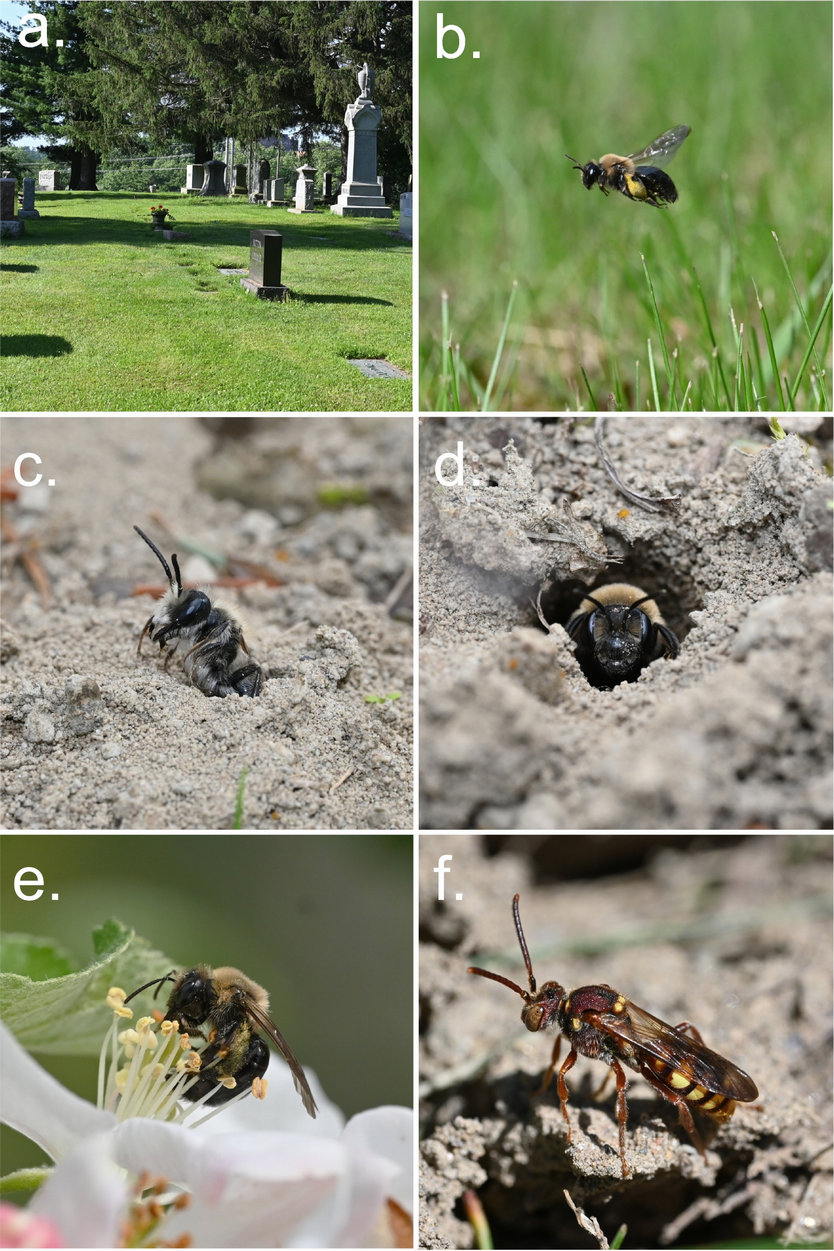
Ground-Nesting Bee Populations Don't Get Publicity But They're Everywhere

Honeybees get attention in environmental fundraising campaigns because people don't understand...

User picture.
picture for Tommaso Dorigopicture for Heidi Hendersonpicture for Fred Phillipspicture for picture for Hontas Farmerpicture for Atreyee Bhattacharya
Hank CampbellRSS Feed of this column.

I founded Science 2.0® in 2006 and since then it has become the world's largest independent science communications site, with over 300,000,000 direct readers and reach approaching one billion. Read More »

Blogroll
Both literally and figuratively, our rationality is what makes us human. It is what separates us from our pets, right? Yes, but in many ways we are a lot less rational than other animals, and we even strive to make our irrational aspects rational—which is not rational at all.


Are you healthier if you eat cupcake from a mix you buy in a grocery store, which would be required to have a GMO label if California's Proposition 37 passes, or an 'organic' cupcake from Whole Foods?

On a science site, you know I would not ask that question if the answer were not obvious.  Humans are inherently irrational, even in our quest to rationalize our odd behavior, like claiming random mutations due to high-energy cosmic rays are better than precisely controlled human ones, because the former are 'natural' - or eating an incredibly healthy cupcake because it is more expensive and in a fancy 'health food' store.
A little over a year ago I wrote about the continued disturbing trend in government subsidies of 'magic rocks' while claiming they were science - in that instance, commercial solar companies that were being propped up by American taxpayers, with little or no due diligence, because the president and his Energy Secretary said we were in a 'race with China' to produce cheap solar panels, when China has no unions and no environmental policies and therefore a much lower cost basis.
The scientization of politics is taking a cultural or political world view and rationalizing it using science. Since it is election time in America, it has been open season on Republicans, with social scientists, who are around 99% Democrats, looking for ways to convince people to vote for their candidates - but they want to look impartial doing it.
Which do you love more, organic food or green energy?  Because you may have to choose.

Oregon is the site of a conflict between food and energy, though it is a state that claims it loves both - but the people who love each primarily do so because it makes them money. You really can't love both anyway, because environmental activists are in a never-ending war against the bulk of society and its bad habits, and also in a war with each other.  They not only love Gaia more than you do, they love Gaia more than other environmentalists.
Both eugenics and social Darwinism had their moments in their sun, the optimistic goal of progressive techno-elites 100 years ago who wanted to use science to make the world a better place.

Sounds terrific, right?  Isn't that what vaccines and genetically modified food do also? 

Indeed, but vaccines and GMOs are for all people and not against some, the way eugenics was.  The experience of eugenics may be why so many progressives, the group that embraced and mandated and enforced it as social policy, are so anti-science today; they don't trust science or themselves when science is under their control.