Fake Banner
Environmental Groups Back In Court To Help Fellow Rich White People

The Usual Suspects of the anti-science movement, Center for Biological Diversity(1), Environmental...
Batteries Are Stuck In The 1990s Because Solid-State Batteries Keep Short-Circuiting

The electric car industry is held back by reliance on conventional energy. Despite spending trillions...
Dogs Have Been 'Man's Best Friend' For 14,000 Years

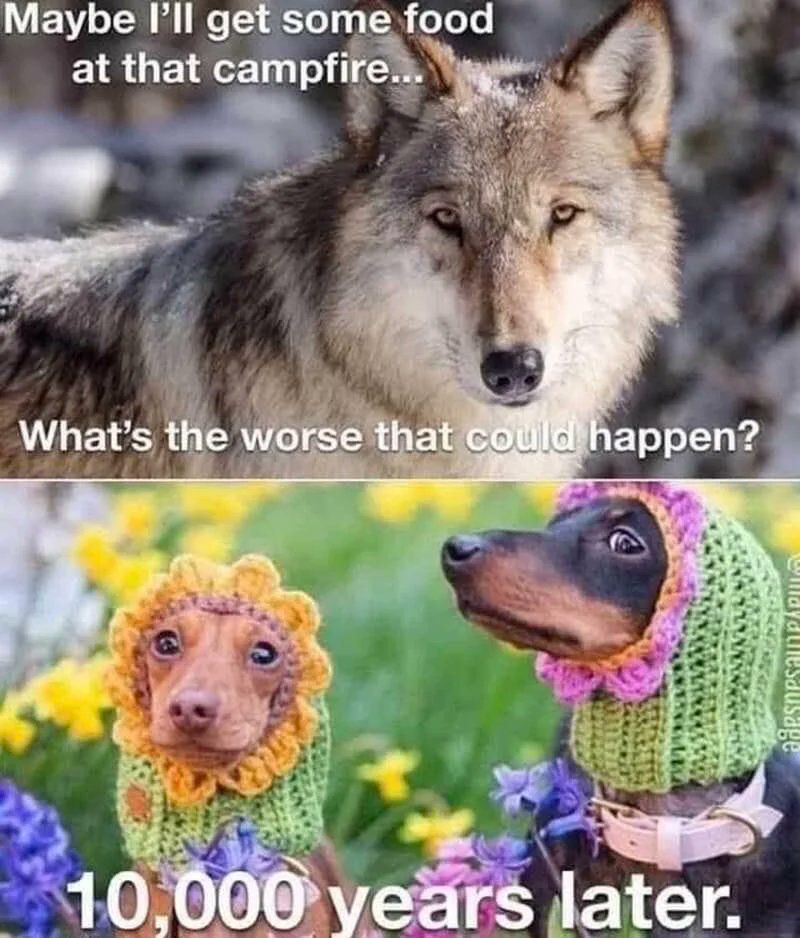
The bond between humans and dogs is one of the oldest stories in anthropology. It may also be a...

Is This The D'Artagnan Made Famous In 'The Three Musketeers' By Dumas?

“I have lost D’Artagnan, in whom I had every confidence,” wrote King Louis XIV to his Queen...

User picture.
picture for Fred Phillipspicture for Tommaso Dorigopicture for picture for Hontas Farmerpicture for Atreyee Bhattacharyapicture for Patrick Lockerby
Hank CampbellRSS Feed of this column.

I founded Science 2.0® in 2006 and since then it has become the world's largest independent science communications site, with over 300,000,000 direct readers and reach approaching one billion. Read More »

Blogroll
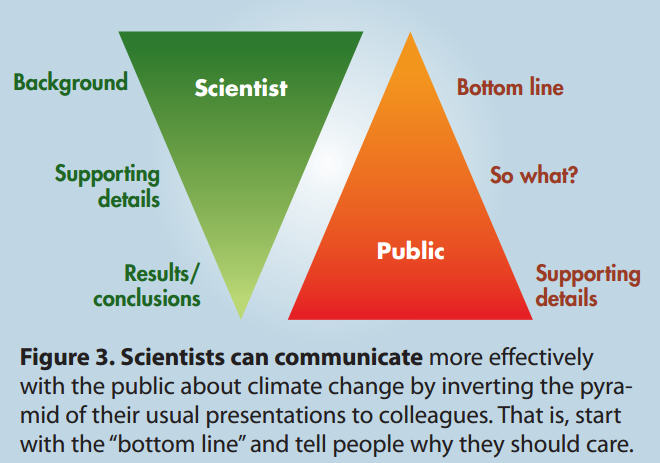
Richard Somerville and Susan Hassol have some recommendations for how to improve science communication.
I'll tell you up front, I am not a big fan of chemicals.

It's not that I have chemophobia, or any science-phobia, I instead have that special sort of elitism that is available to people who have just been lucky enough to not need chemicals. I don't even like to take aspirin and I have that luxury because I haven't needed to take any drugs for a recurring condition, so it's really easy for me to embrace such naturalistic posturing.

If you want to find a hotbed of anti-science sentiment, sure, you could go to a cigar bar full of Republicans and mention that the temperature outside must be up because of global warming - and you would get lots of predictable responses, but you would not get someone claiming you were on the IPCC because they remembered reading your name somewhere this one time.

If you want to see true cluelessness coupled with denial of science, even the Republican National Convention won't do it - you have go to sites about food that are run by anti-science groups.
In 2009, President Barack Obama slightly eased restrictions on the human embryonic stem cell (hESC) research that was first funded by his predecessor, President George W. Bush, but limited to specific lines. Using an executive order, Pres. Obama allowed for a few more lines to be created while still obeying President Clinton's Dickey-Wicker Amendment, which limited research on embryos.
Food is interesting to me. It's essential, of course, but it's also a lot of cutting-edge science that people don't see. It's hard to imagine now that when I was a kid, Prof. Paul Ehrlich (and then later our current science czar, Dr. John holdren) were projecting that we would be having worldwide riots and mass starvation by now.

Instead, while I was living on a small subsistence farm, American agricultural science ignored that apocalyptic memo, and they began producing far more food on far less land.
Genetically modified foods are so common that it seems a little strange to put a label on, basically, everything. But some states are trying.

Vermont just did. The governor says he is signing it. 

And it's a weird law, even from a policy point of view. From a legal point of view, the FDA is not going to be happy about yet another unscientific piecemeal approach to arbitrary food labels. Then there is the business aspect. How long before a lawsuit comes up because so many products are exempt from this new law that is supposedly about food transparency?