Fake Banner
Environmental Groups Back In Court To Help Fellow Rich White People

The Usual Suspects of the anti-science movement, Center for Biological Diversity(1), Environmental...
Batteries Are Stuck In The 1990s Because Solid-State Batteries Keep Short-Circuiting

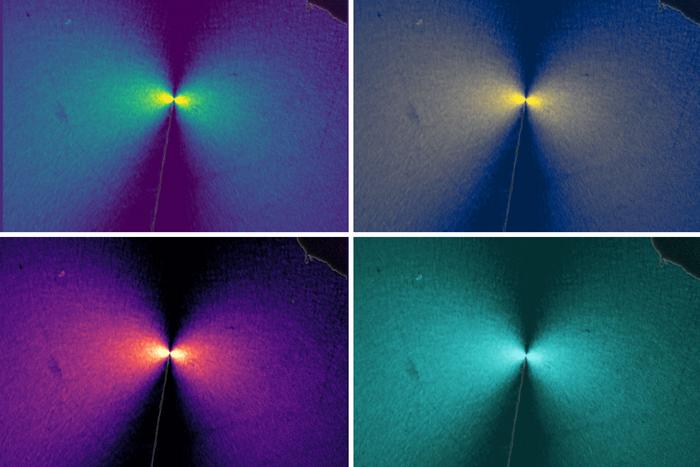
The electric car industry is held back by reliance on conventional energy. Despite spending trillions...
Dogs Have Been 'Man's Best Friend' For 14,000 Years

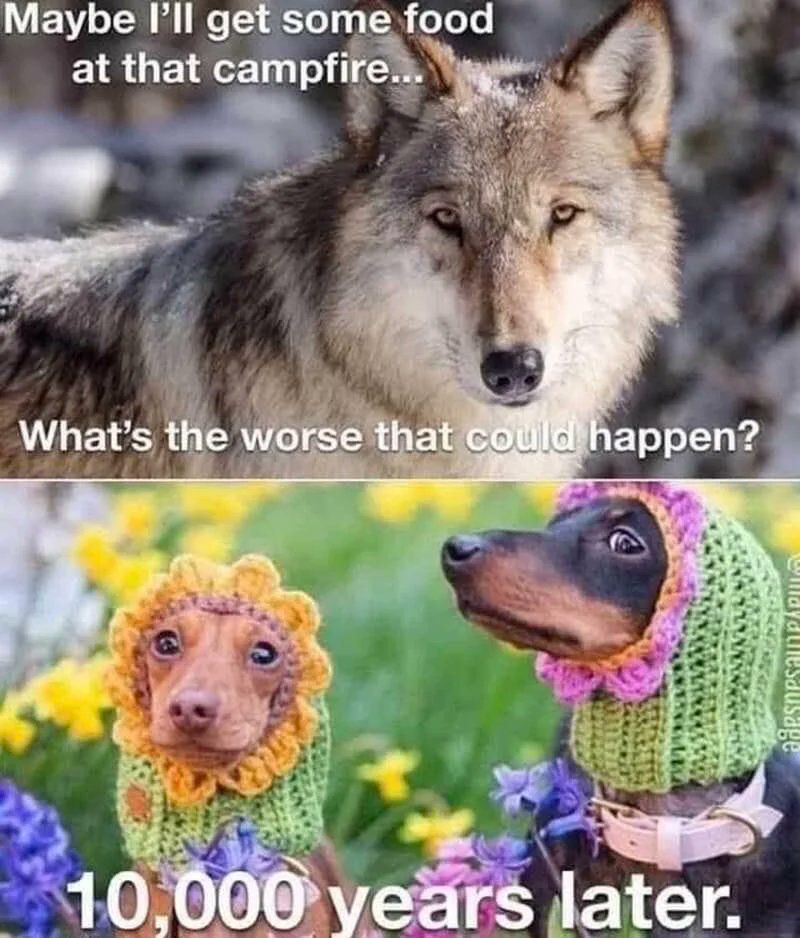
The bond between humans and dogs is one of the oldest stories in anthropology. It may also be a...

Is This The D'Artagnan Made Famous In 'The Three Musketeers' By Dumas?

“I have lost D’Artagnan, in whom I had every confidence,” wrote King Louis XIV to his Queen...

User picture.
picture for Tommaso Dorigopicture for Fred Phillipspicture for picture for Hontas Farmerpicture for Atreyee Bhattacharyapicture for Patrick Lockerby
Hank CampbellRSS Feed of this column.

I founded Science 2.0® in 2006 and since then it has become the world's largest independent science communications site, with over 300,000,000 direct readers and reach approaching one billion. Read More »

Blogroll
In the first decade of the 21st century, blogging really took off. In America, it was embraced by the technologically progressive left and therefore immediately exploited as a marketing tool against the right.
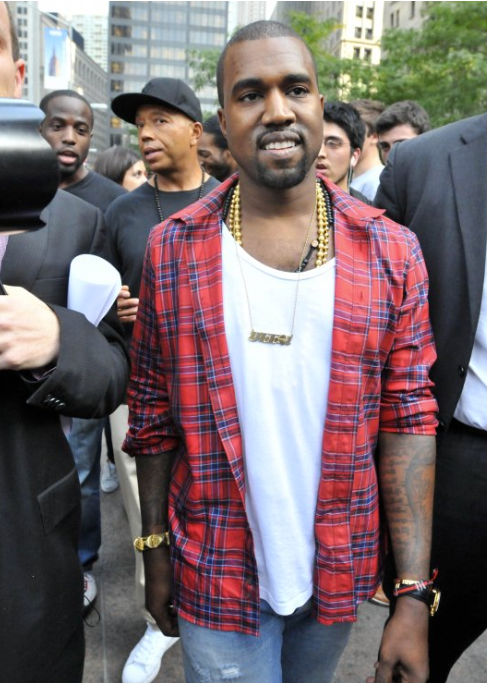
Talking about "the 1 percent" has become a popular pastime, though usually the person doing the talking means someone else - outside TV commercials no one ever cops to being The Man.(1) Protesters in the Occupy Wall Street movement meant it about rich, which investment bankers, for example, so they dutifully ignored the opulent wealth of Kanye West and his $355 t-shirt, Balmain jeans, Givenchy plaid and gold chains when he visited to show support for their cause.

While he buys t-shirts to wear for $355 he only sells his own brand to young fans for $120 each. See? He is such a giver and therefore not part of the 1 percent.

In the 1990s, the US administration decided the best way to protect wages for American workers was by making it very difficult for those pesky foreign science, technology, engineering and math (STEM) graduates living here to get work visas. Student visas remained easy to get, it was okay to spend money to live in the US, but getting paid was a no-no.

In the summer of 2012 I wrote Celiac: The Trendy Disease For Rich White People, which annoyed a few people with celiac disease but a whole bunch of people who had latched onto a fad and craved medical or scientific legitimacy in doing so.

Anaphylaxis is a severe, sometimes life-threatening allergic reaction. After being exposed to a substance, sometimes even for the first time, the body releases histamine, allergen fighting antibody immunoglobulin E and other substances, which can cause airways to tighten and other symptoms. 

Anaphylaxis has occurred, and been known about, basically forever. Charles Richet coined the modern term and got a Nobel Prize in Medicine in 1913 for his work.

I-522, the initiative in Washington state that would have required special labels for foods that are genetically modified (a gene has been transferred from another organism to express a natural trait), has been defeated, making two high-profile defeats in a row for detractors of science who were trying to accomplish through legislation what they could not do in the marketplace. A similar California initiative lost last year.