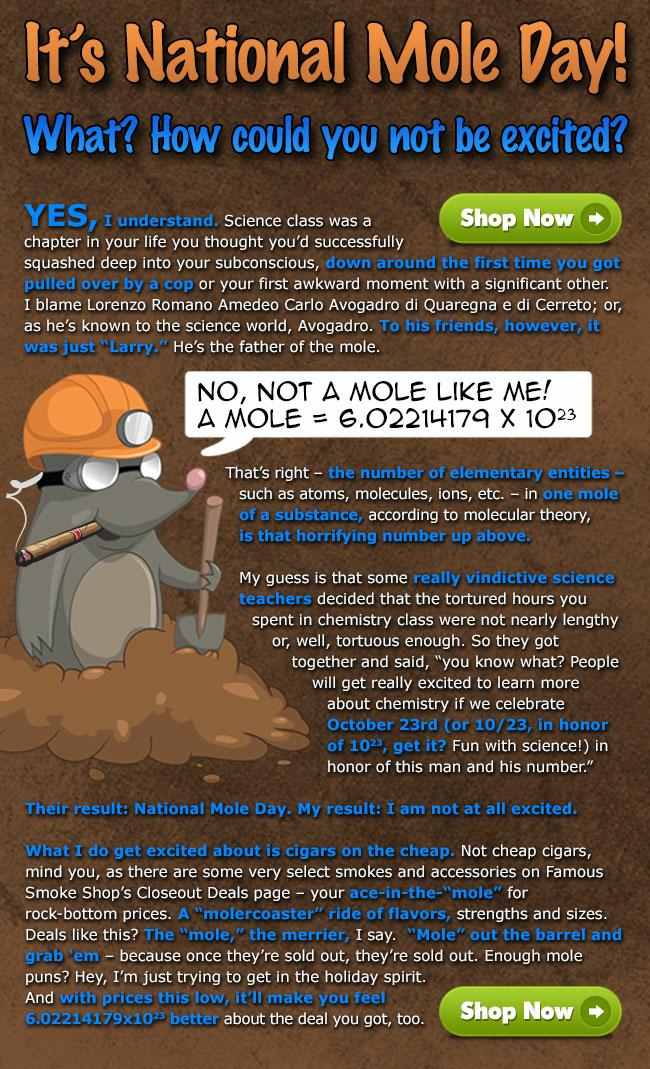
With 365 days in a year and a whole lot of causes and events and gimmicks, it is no surprise that there are sometimes lots and lots of 'National XYZ' Days on the same day.
The National Months get kind of cluttered too. October is Adopt a Shelter Dog Month, American Pharmacist Month, Apple Jack Month, Awareness Month, Breast Cancer Awareness Month, Clergy Appreciation Month, Computer Learning Month, Cookie Month, Domestic Violence Awareness Month, Eat Country Ham Month. International Drum Month, Lupus Awareness Month, National Diabetes Month, National Pizza Month, National Vegetarian Month, National Popcorn Popping Month and, as you can already tell by the tone of this piece, Sarcastic Month.
Habitat for Humanity International is getting 100,000
PackH2O collapsible water backpacks from the manufacturer,
Greif, to use in 8 developing countries.
Any time you get a majority of people together, there will always be some sensitivity and compassion and outreach for the minority. In science academia, it is obvious; small blips in representation get concern about fixing the problem of how to get more of demographic X.
Greenpeace was founded on a pretense of humanitarian action - between 1969 and 1971, they gathered together because they wanted to put an end to hydrogen bomb testing. Later they lost their way and it became about whales and, in the US, being a political action committee for an entire raft of anti-science issues, protesting everything from clean energy to food. Thanks for doing your part to cause global warming, Greenpeace.
Food, medicine and energy are three of the most crucial problems we face today - and they are all protested by a common demographic.
Science tends to think on the supply side - how to feed more people, how to get energy to everyone, how to save lives - while anti-science activists promote mitigation and rationing and retreating into the past. They believe in 13th century energy that hasn't worked, like wind power, unproven herbal medicines and a food system where only the agricultural 1% will be able to eat.
In the wave of articles, blog posts and Tweets that are addressing the impact of the shutdown on science, no one has asked the obvious question: If the president care about science so much, why doesn't he care about science?
I have argued that science should be considered a strategic resource, no different than food and oil - yet the President who declared he was going to "restore science to its rightful place" has done nothing of the kind.


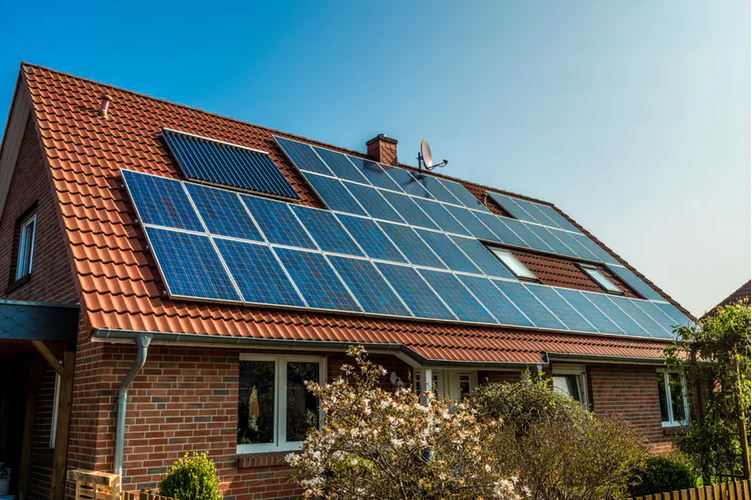 Environmental Groups Back In Court To Help Fellow Rich White People
 Batteries Are Stuck In The 1990s Because Solid-State Batteries Keep Short-Circuiting
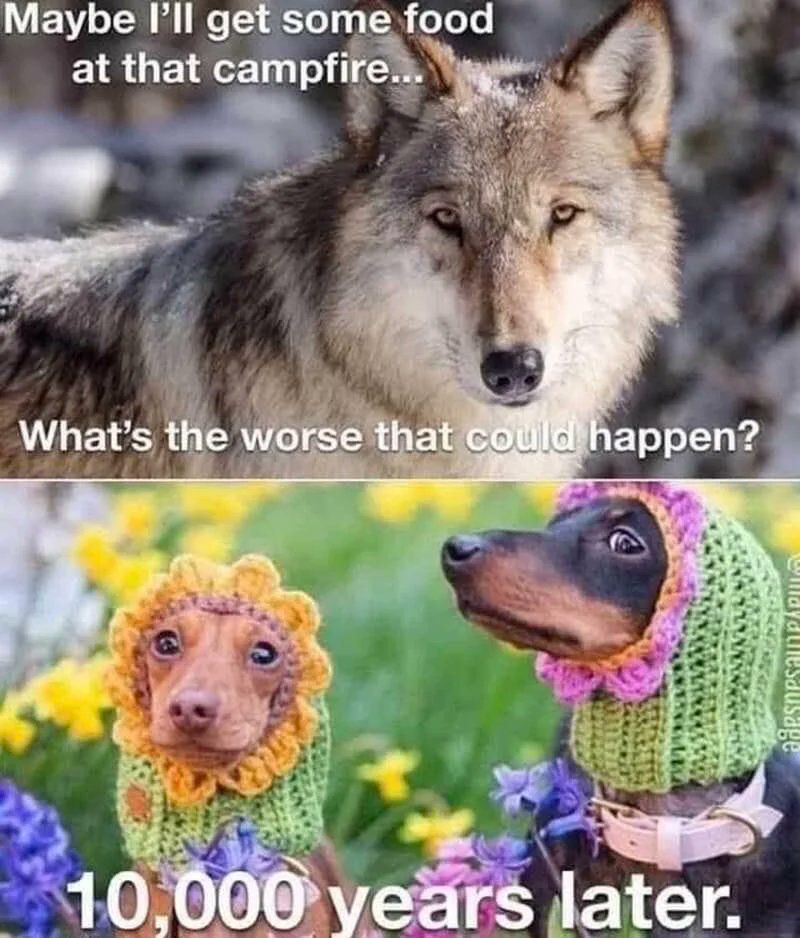 Dogs Have Been 'Man's Best Friend' For 14,000 Years
 Is This The D'Artagnan Made Famous In 'The Three Musketeers' By Dumas?