ViviTouch is a kind of 'artificial muscle' that seeks to make video games feel more real. The technology behind it is electroactive polymers, developed by Bayer subsidiary Artificial Muscle of Sunnyvale, right up the road from me.
It's basically a new sort of motor that converts electrical energy into movement, to go beyond the traditional haptic interface people expect by now. Motor? Well, that is the CEO's terms. It's an actuator made of a thin polymer film but electroactive polymers are cooler than traditional actuators, generators and sensors because a ViviTouch-enabled device lets you 'feel' explosions, flying and even uppercuts like you were meant to, they say. So if you like getting an uppercut, this is for you.
In 2008, I was as excited as anyone about the chance to correct some public relations mistakes made by the Bush administration in the nascent years of blogging. Obviously some of the 'Republicans are anti-science' stuff was because when you are far left, even the middle looks like the right, but Republicans had done no favors to themselves by 'taking the bait' on topics like hESC research. What had been a reasonable, bipartisan position on human embryonic stem cells in 2001 (traditional conservatives were actually all for it, more religious types among both Democrats and Republicans were not) became a simple partisan divide when it was revisited two more times and Bush shot it down despite Republicans overall being in favor of it.
If you get rich suing people, your days going after Big Tobacco are basically over. The tobacco companies have been sued for everything by now and the people who still smoke know what they are doing, and the risks, and they are willing to pay an ever-increasing amount of taxes to fund government employee unions. We can't really blame corporations for that any more.
Luckily, the food industry could soon take its place. Not because they have done anything wrong, but rather because we live in a culture where a dizzying cross-section of people assume anyone working for a corporation must be unethical. And creating nuisance laws that make it possible to sue over labels without actually having any evidence of harm are a dream for litigation attorneys.
A new advocacy organization devoted to food and health issues and claiming to be nonpartisan gave 50 politicians perfect 100 scores - and all 50 of them were Democrats. At the bottom of their scorecard? All Republicans.
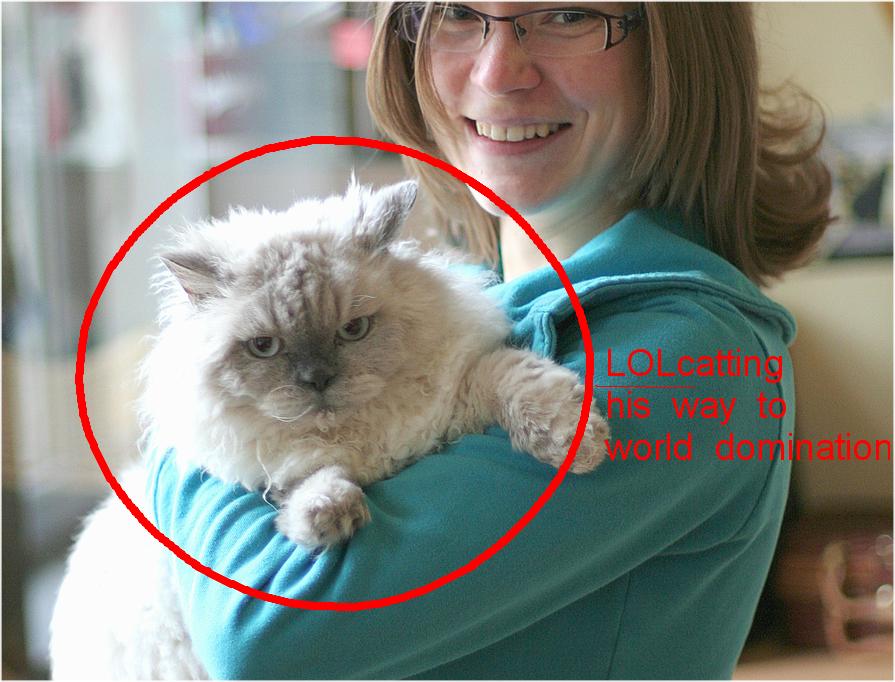
In 1987, unthinking, primitive pre-GMO breeders exploited an abandoned shelter cat in Montana, with no one to defend it, for their own nefarious ends when it was discovered that this feline pawn gave birth to a curly-haired kitten. The kitten was then raped by a Persian male and gave birth to a mixture of curly-haired and normal-haired kittens, resulting in a horrible mutation that was now dominant over nature: its presence on even one of the two copies of the gene involved was suddenly sufficient to cause cats to have curly hair. (1)


 Environmental Groups Back In Court To Help Fellow Rich White People
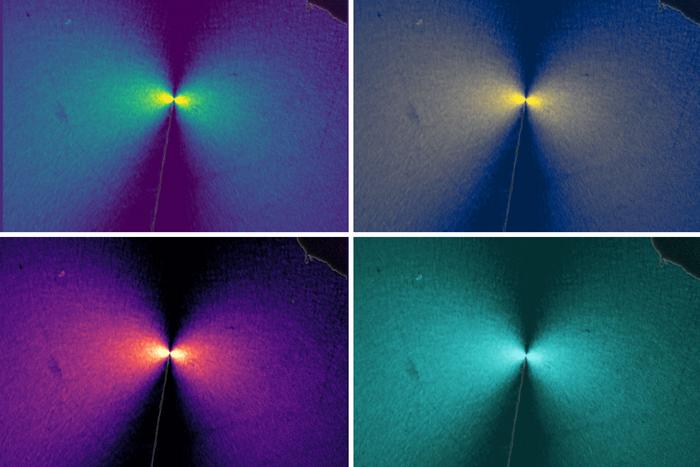 Batteries Are Stuck In The 1990s Because Solid-State Batteries Keep Short-Circuiting
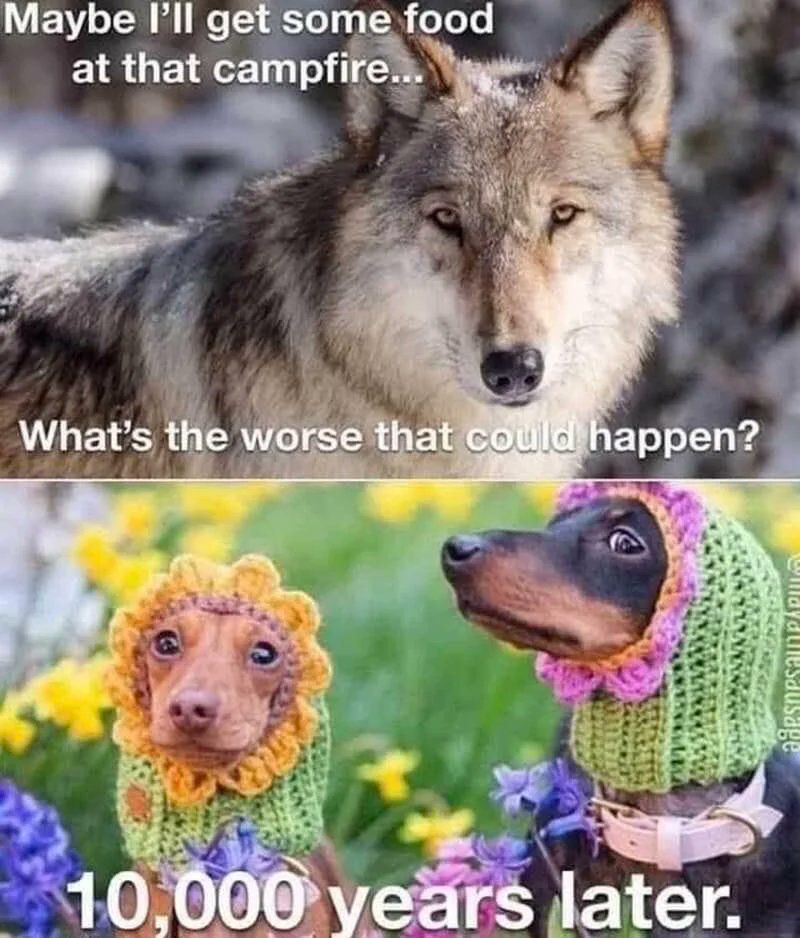 Dogs Have Been 'Man's Best Friend' For 14,000 Years
 Is This The D'Artagnan Made Famous In 'The Three Musketeers' By Dumas?