Fake Banner
Environmental Groups Back In Court To Help Fellow Rich White People

The Usual Suspects of the anti-science movement, Center for Biological Diversity(1), Environmental...
Batteries Are Stuck In The 1990s Because Solid-State Batteries Keep Short-Circuiting

The electric car industry is held back by reliance on conventional energy. Despite spending trillions...
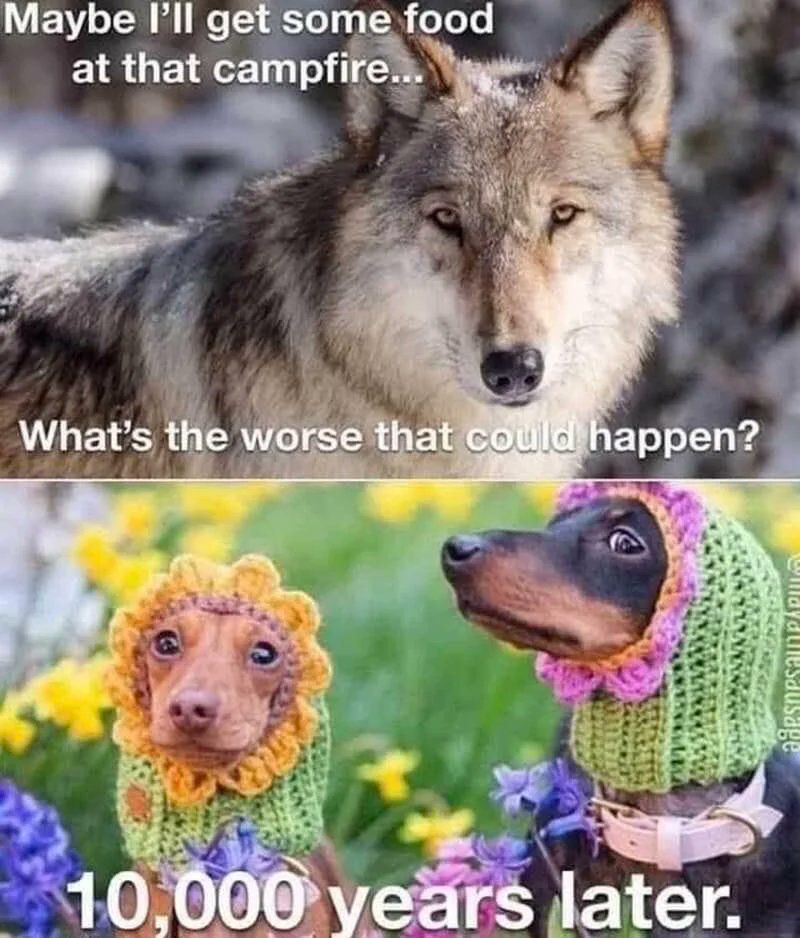
Dogs Have Been 'Man's Best Friend' For 14,000 Years

The bond between humans and dogs is one of the oldest stories in anthropology. It may also be a...
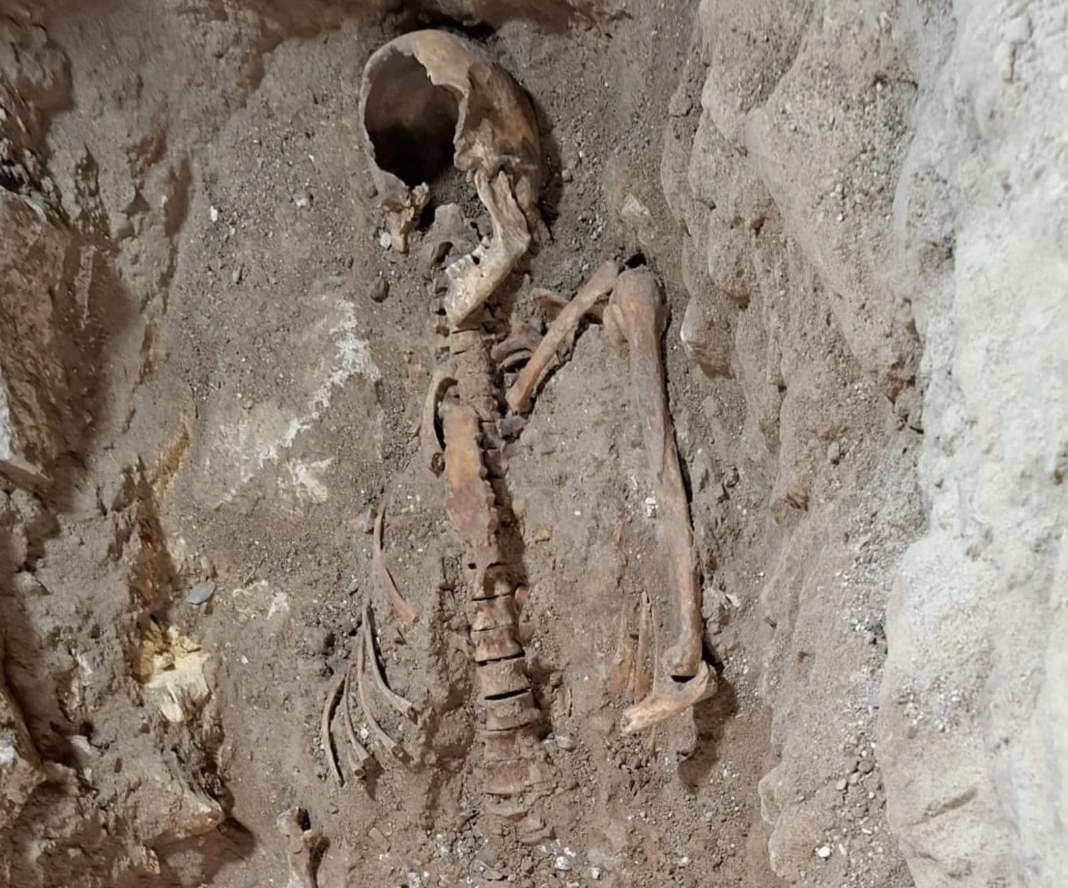
Is This The D'Artagnan Made Famous In 'The Three Musketeers' By Dumas?

“I have lost D’Artagnan, in whom I had every confidence,” wrote King Louis XIV to his Queen...

User picture.
picture for Tommaso Dorigopicture for Fred Phillipspicture for picture for Hontas Farmerpicture for Atreyee Bhattacharyapicture for Patrick Lockerby
Hank CampbellRSS Feed of this column.

I founded Science 2.0® in 2006 and since then it has become the world's largest independent science communications site, with over 300,000,000 direct readers and reach approaching one billion. Read More »

Blogroll
Just supposing, what if you landed on a planet a lot like Earth and, bereft of modern technology, had to try and rebuild something that looks like home?   You could survive, sure, a little trial and error would get you food and shelter. Creating fire can be a little more challenging but it is just a learning curve. 

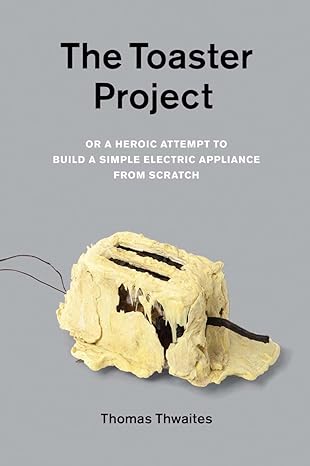
There are logistical aspects to rebuilding all of civilization, of course.  One person can't build a skyscraper (and why would you, since there would be no one else to live in it?) but what about something small, like a toaster?
In academia, the many, many advancements of women are not enough and so they are increasingly forced to massage statistics to make it look like they are oppressed, underpaid, blocked out of the hard sciences, etc.

In reality, women have it pretty good. Maybe even great. Men, as a special interest group, basically stink at being a special interest group because they were historically always the interest group, no 'special' needed.
A few weeks back I flew to Los Angeles to have some meetings about technology and media outside the Science 2.0 world - well, sort of.  A surprising number of people outside science know of Science 2.0 and read the site and are fans.  
This weekend is the first episode in a three-part "Brain Games" series on the National Geographic channel.  Since National Geographic does not have a show on the 'science' of ghost hunting, and since statistics show 97% of Internet readers never finish an article, if you are not a regular Science 2.0 reader I am okay endorsing this and telling you in the first paragraph you will enjoy it, so you can set your DVR and move on to reading about the trial of Michael Jackson's doctor.   
I'll lay out something a lot of people won't like to hear; science is about understanding the world according to natural laws and that means sometimes breaking the laws of nature.  How far that goes is a policy matter and it's for civilian leadership to decide.

Researchers won't like being compared to the military but it's a lot like that; there is a job to do, a mission to accomplish, and the scope and limitations of that mission are determined by the public through their politicians but once that framework is established, it is up to the soldiers on the ground to decide how to get there.
The world's most complex ground-based astronomy observatory, the Atacama Large Millimeter/submillimeter Array (ALMA) on on the Chajnantor plateau in northern Chile, has officially opened for astronomers.

A lack of light pollution and anti-science hippies filing lawsuits has made Chile a new favorite spot for space science and the first image we got after ALMA opened its eyes is darn spectacular.  What we can't see with visible-light or infrared telescopes, ALMA can see just fine.  And the image below is with only 12 of its final 66 radio antennas.  It's fitting that the first image was of the Antenna Galaxies.