Fake Banner
Even With Universal Health Care, Mothers Don't Go To Postnatal Check-Ups

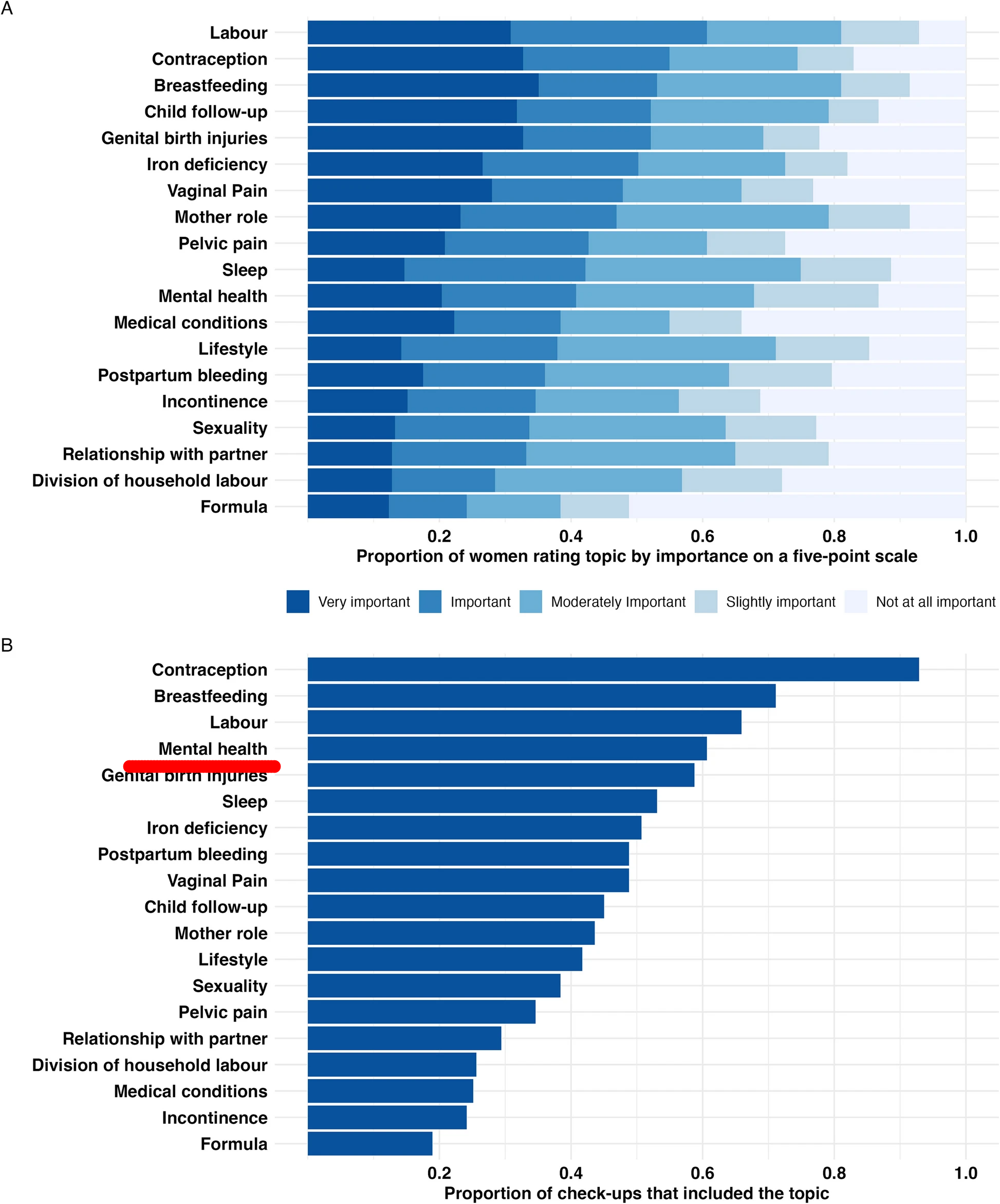
For decades, health care costs have been a political topic in America. Advocates argue it is the...

Happy Twelfth Night - Or Divorce Day, Depending On How Your 2026 Is Going

Today is, in Christian observance, Twelfth Night, the end of The 12 Days of Christmas in that song...
Blood Pressure Medication Adherence May Not Be Cost, It May Be Annoyance At Defensive Medicine

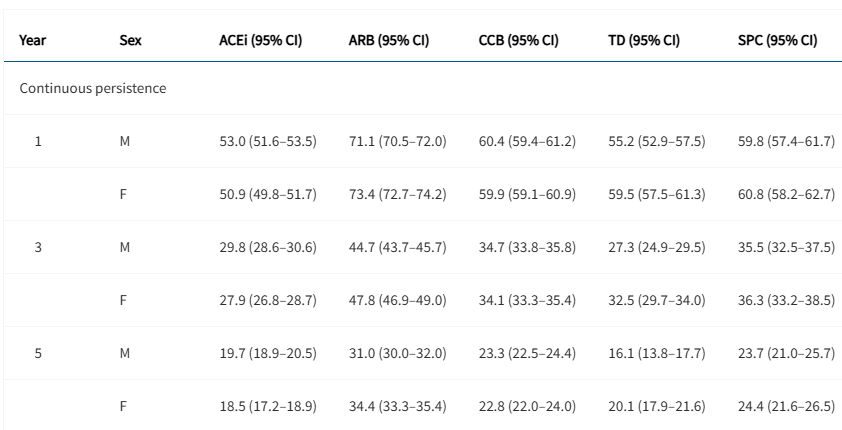
High blood pressure is an important risk factor for developing cardiovascular disease and premature...

On January 5th, Don't Get Divorced Because Of Hallmark Movies

The Monday after New Year's is colloquially called Divorce Day, but it's more than marriages ending...

User picture.
picture for Tommaso Dorigopicture for Fred Phillipspicture for Hontas Farmerpicture for picture for Patrick Lockerbypicture for Ilias Tyrovolas
Hank CampbellRSS Feed of this column.

I founded Science 2.0® in 2006 and since then it has become the world's largest independent science communications site, with over 300,000,000 direct readers and reach approaching one billion. Read More »

Blogroll
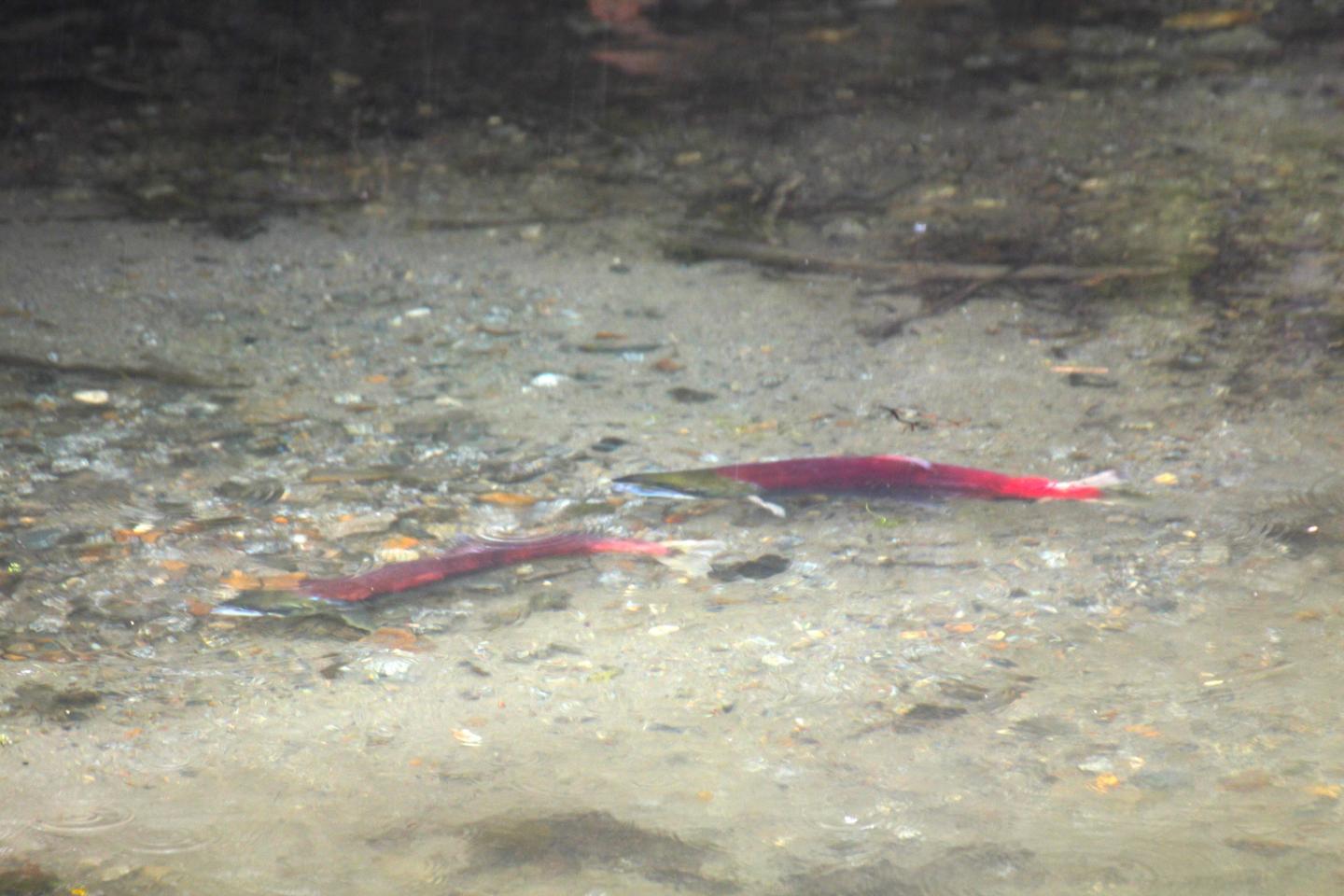
A new analysis used Alaska Department of Fish and Game data and fish estimates from 2007 to 2016 to quantify the number and value of Pacific salmon harvested from streams, rivers, and lakes in Alaska. They estimate that it's 48,000,000 fish per year, and that is without  the recreational fishing catch and local communities where it's a food staple. The value is $88,000,000 per year.

While $88 million is a fine industry it speaks poorly about those who protest farming and hunting while claiming to care about nature. Good luck going to a fancy restaurant without having a server note that the salmon you might order was wild.
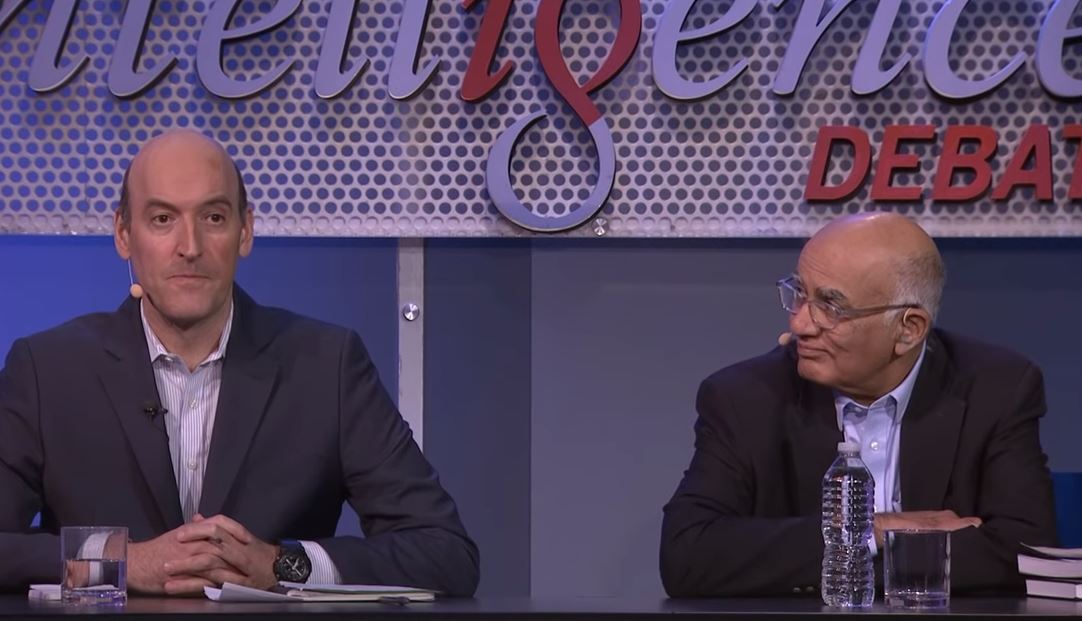
Intelligence Squared recently had a debate on nuclear energy kicked off by Bill Nye, the famous Science Guy, and moderated by John Donvan.

On the pro-nuclear side were Daniel Poneman, Deputy Secretary of Energy under President Obama, and Kirsty Gogan, co-founder of Energy for Humanity, while on the anti-science side was Gregory Jaczko, Obama's chairman of the US Nuclear Regulatory Commission(NRC), and Arjun Makhijani, President of the Institute for Energy and Environmental Research.(1)

What was missing? An actual nuclear physicist.

Would you have a debate on vaccine safety without a doctor? A debate on climate change without a climate scientist? When it comes to nuclear energy, everyone is such an expert actual expertise seems to be irrelevant. 
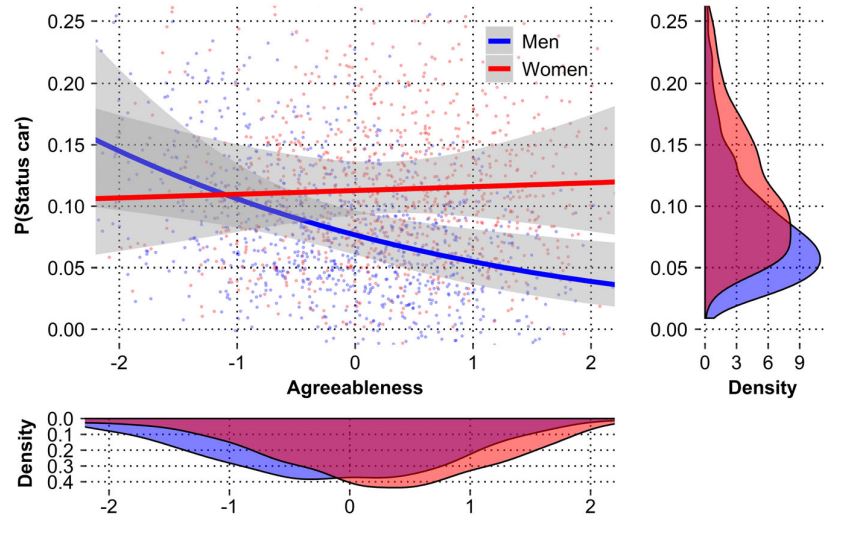
If you have never heard of the Journal of International Psychology, you are not alone.
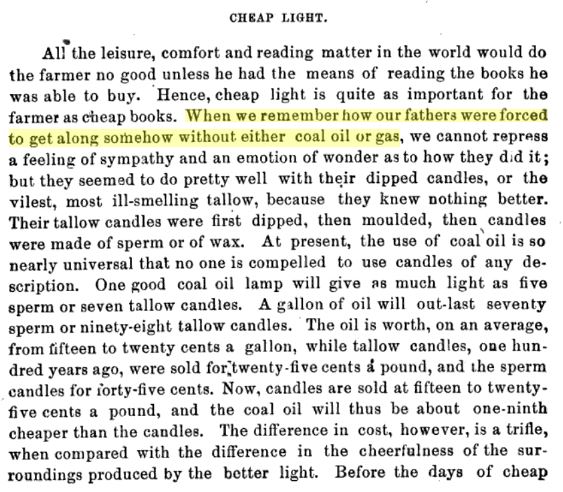
Energy is the great equalizer in human existence. 

Don't have enough water? Energy can fix that. Want to make a culture that prizes libraries, art, and education? Give people affordable energy. We can even do what ancient alchemists could not, turn lead into gold, with enough energy.

It goes almost without saying that energy made the difference when it comes to farming. In the early days of agriculture, one person might work harder than another, and they might even be prized for that, but nothing boosted productivity like when oxen came into use. No person could do the work of eight others but the ox could. Then the heavy plow raised the bar of energy efficiency again, and then the tractor. 
In 2002, Berkeley Professor Tyrone Hayes got a paper titled "Hermaphroditic, demasculinized frogs after exposure to the herbicide atrazine at low ecologically relevant doses" published in Proceedings of the National Academies of Science.

In it, he claimed this common herbicide was changing the sexuality of frogs, an indicator species.
A few years ago, after concern about the administration's efforts to use EPA to pick and choose winners in the private sector reached a crescendo,  the U.S. Government Accountability Office found that EPA "violated publicity or propaganda and anti-lobbying provisions contained in appropriations acts with its use of certain social media platforms in association with its "Waters of the United States" (WOTUS) rulemaking in fiscal years 2014 and 2015."

It was a shockingly bold attempt by the federal government to use water regulations to penalize the public.