As a long-time meteor observer, I never lose an occasion to watch the peak of good showers. The problem is that similar occasions have become less frequent in the recent times, due to a busier agenda.
In the past few days, however, I was at CERN and could afford going out to observe the night sky, so it made sense to spend at least a couple of hours to check on the peak activity of the Perseids, which this year was predicted to be stronger than usual.
The ICHEP conference in Chicago is drawing to a close, and although I did not have the pleasure to attend it (I was busy with real work, you know ;-) I think I can post here some commentary of a few things I find interesting among the multitude of analyses and searches that were shown there. It goes without saying that the selection is biased by my personal interest, plus by my limited patience with peeking at talk slides. In fact, here I only cover one specific Higgs boson decay mode!
But a digression first - and a digression on the digression
So, by now we all know it - there is no 750 GeV resonance in LHC data. But will we ever learn the lesson ?
The facts
Let me start this post by recalling the bare facts, and a quick-and-dirty introduction for anybody who has been on the Moon in the last eight months or so. Last December, the CMS and ATLAS experiments at the CERN LHC collider presented in two back-to-back seminars their first results on data collected at unprecedented proton-proton collision energy of 13 TeV. The 60% higher center-of-mass energy with respect to collisions analized in the previous years left hopes alive for the discovery of some new physics process, which could have been hiding until then thanks to the large required energy to turn on the reactions.


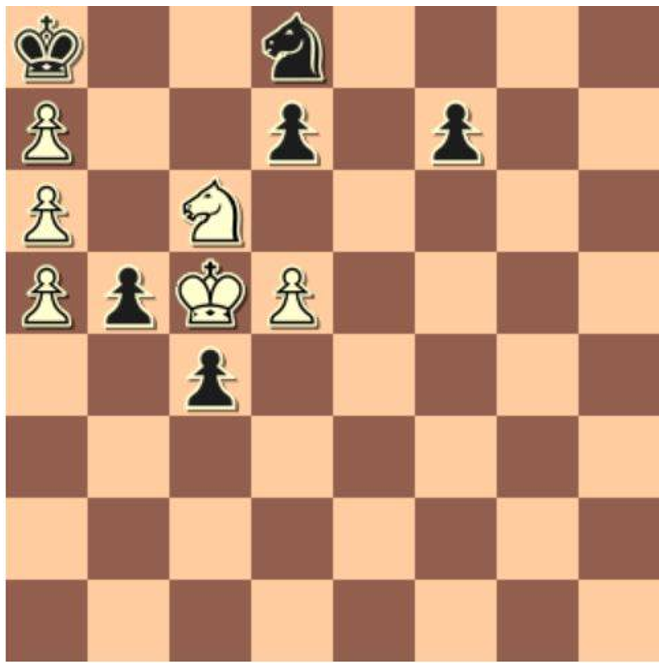 A Chess Study Requiring Backpropagation
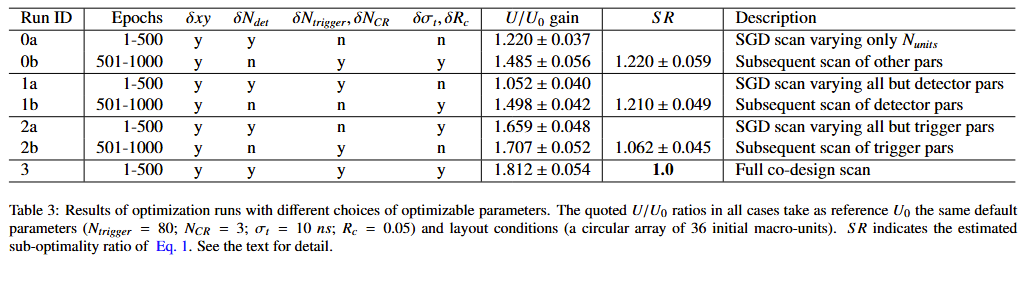 Co-Design Of Scientific Experiments
 Travel With Two Infants
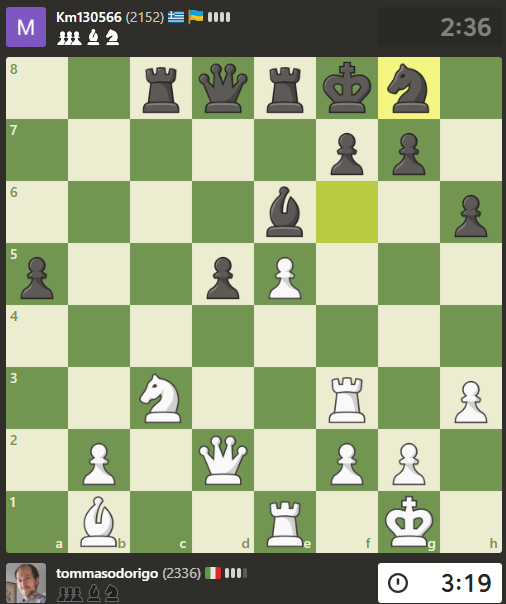 A Nice Little Combination












