Fake Banner
Environmentalists, What Are You Asking From Dedmoroz Lenin For Earth Day This Year?

Tomorrow is Earth Day. It is also Lenin's birthday. That's not coincidence. The leader of...
How Ancel Keys Went From MAHA Hero To MAHA Villain

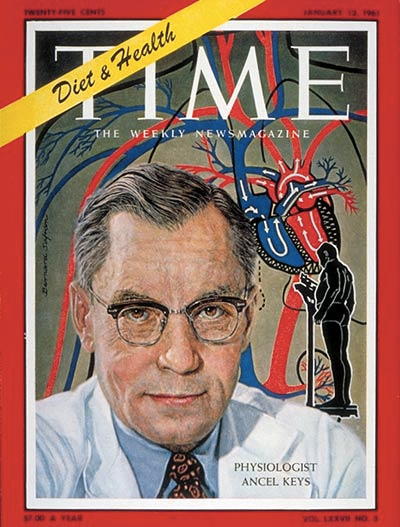
If a lot of the food and health claims you read and hear today seem like things left over from...

Are Baseball Pitchers Faster Today?

On September 7, 1974, pitching for the California Angels, Nolan Ryan, known for his velocity, became...
Ground-Nesting Bee Populations Don't Get Publicity But They're Everywhere

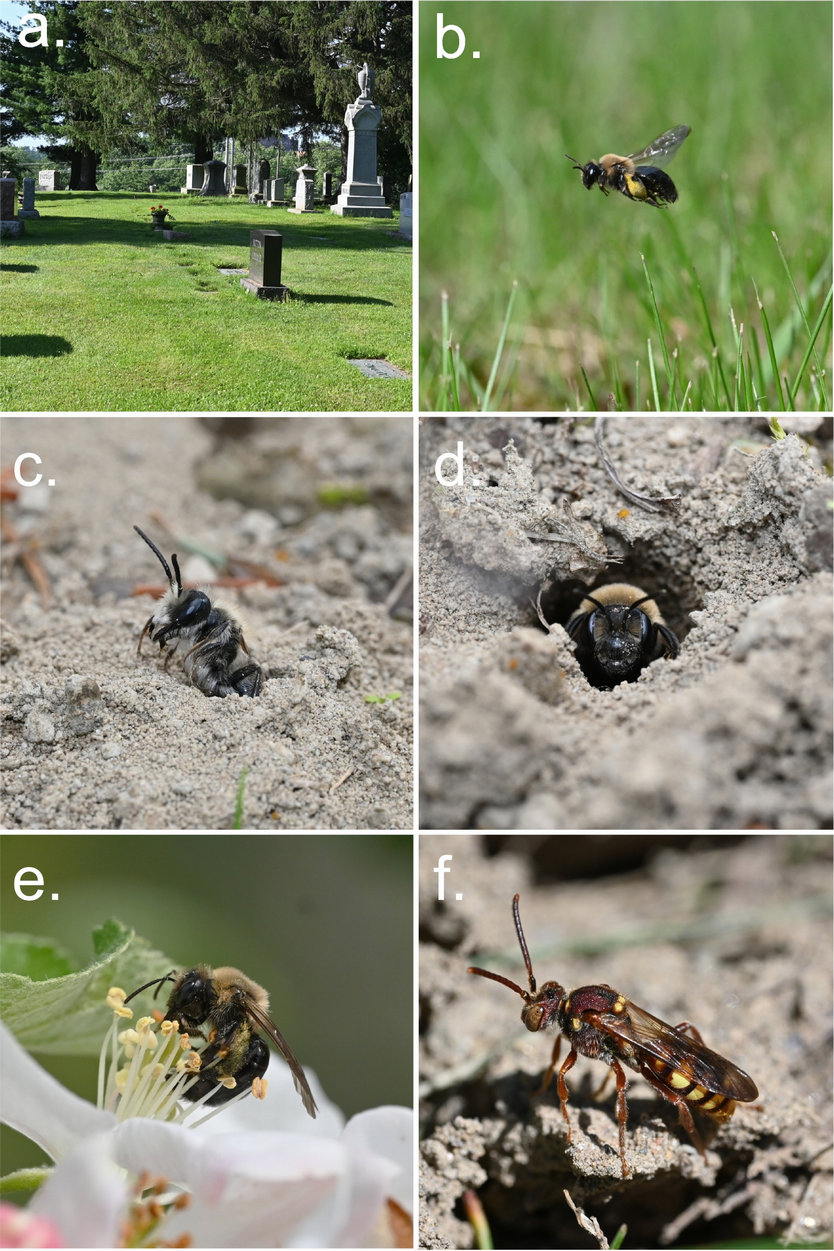
Honeybees get attention in environmental fundraising campaigns because people don't understand...

User picture.
picture for Tommaso Dorigopicture for Heidi Hendersonpicture for Fred Phillipspicture for picture for Hontas Farmerpicture for Atreyee Bhattacharya
Hank CampbellRSS Feed of this column.

I founded Science 2.0® in 2006 and since then it has become the world's largest independent science communications site, with over 300,000,000 direct readers and reach approaching one billion. Read More »

Blogroll
Fareed Zakaria of CNN writes the Global Public Square column and expressed concern recently that America was losing ground in science because of research funding and education.  
The Agriculture Department is supposed to promote agriculture, including meat, but it seems someone in there once read a flawed metric that claims it takes a gallon of gas to produce a pound of beef and recommended USDA employees go meatless to save the world.

Is there any truth to it?  No, but maybe they are counting on another four years of anti-science, advocacy-based leadership and getting a head start. In their agency newsletter, they provided tips on how to reduce environmental impact while eating in the department cafeteria - they suggested not eating meat. 
The U.S. Environmental Protection Agency has found that, despite claims by some that the water has been polluted by gas drilling, extensive tests in the northeastern Pennsylvania village of Dimock found it safe.
Null results are important in science, but that doesn't mean scientists want other people to see theirs. The reason is obvious: competition.  If one group has a null result and another group is working on something similar, they potentially give the competitor a shortcut by publishing a negative result.

So it goes in just about every field. The food industry has its own null results, but they can be a lot more expensive.  The failure rate of new product launches is a shocking (to outsiders) 50%. It seems shocking because these are experts, armed with expensive demographic analyses and psychological information on the marketplace. They should know what people want.
Do you care about children?  

If so, says Arianna Huffington, you'd better ask for more regulations that augment helicopter parenting with nanny government - and you'd better be part of the 1% that will be able to afford food when all pesticides are banned. What is her evidence?  Rachel Carson started telling us 50 years ago that scientists were out to kill us all.
How will the Universe end?  And when? It's been speculation in religion and philosophy since man realized he was special.  Can physics offer anything new?

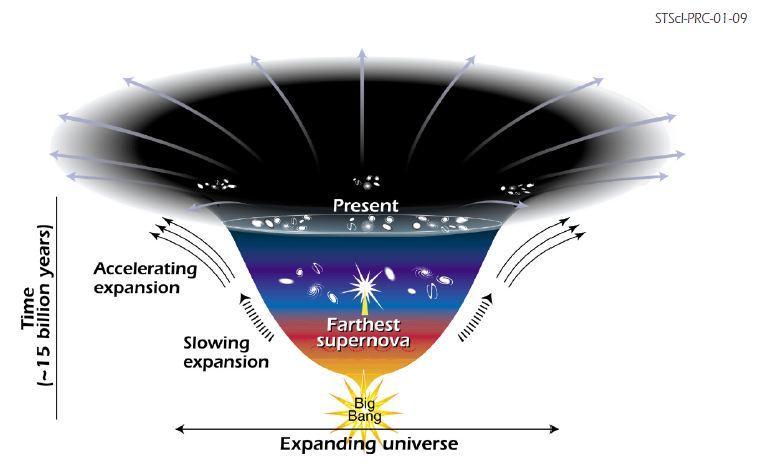
Let's go to the Dark Energy hypotheses and see.  1998 really messed us up, theoretically. Until then, we knew the Universe had to slow down - well, theoretically.  But then the Hubble showed us truly distant supernovae and we got the uncomfortable reality that the Universe was actually expanding more slowly in the past than it is now.  That meant gravity has not been slowing Universal expansion, it has been accelerating.