Design and purpose are definitely not two things that scientists consider as their guiding ideas in trying to decypher the fabric of our Universe, or of natural phenomena in general. So teleology should not belong to this blog, I agree.
Today the University of Padova has issued a call for Ph. D. positions to start in October 2021, and
the Department of Physics and Astronomy has 23 new openings. The English version of the call page is
here.
Note: this is an updated version of the article. For the original discussion of the muon anomaly, published before the release of results, please scroll down.
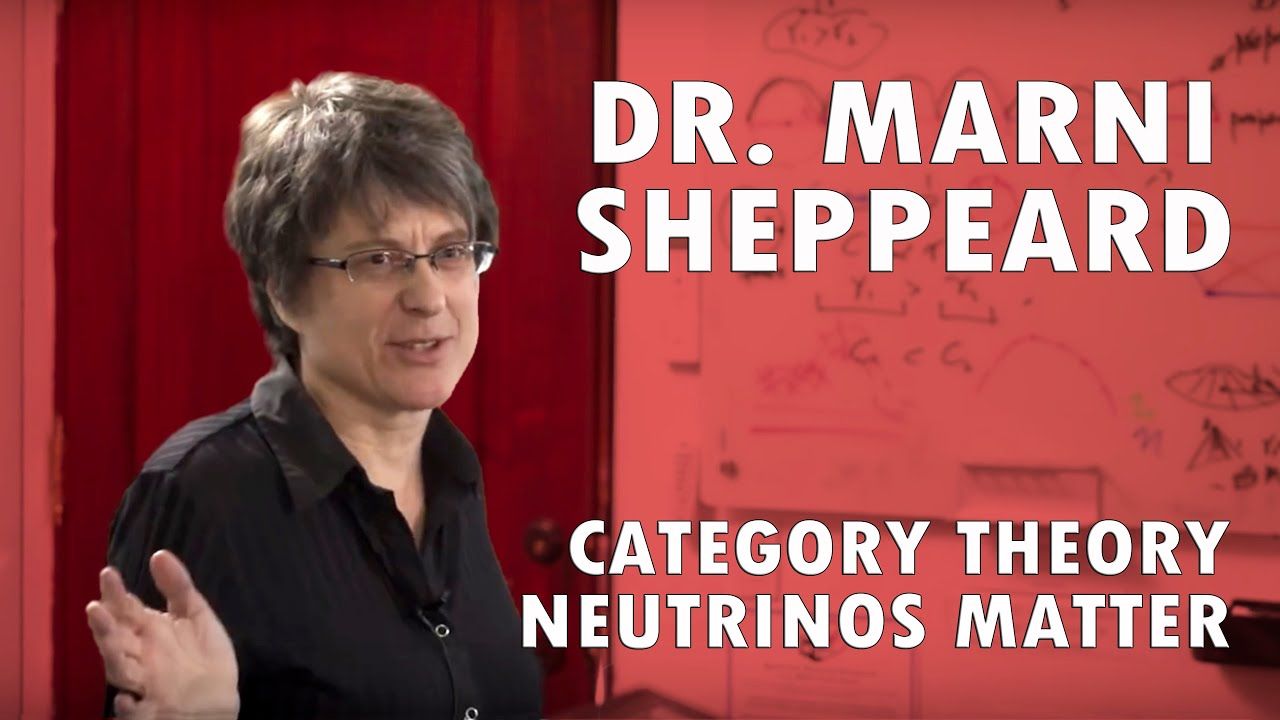
The remains of what probably was Marni Dee Sheppeard were
found last week in the mountains of the west coast of New Zealand, near Otira. Although a positive identification is still pending, this does seem to mean that Marni has died while hiking in her beloved mountains, some time between mid November and December of last year.
Almost exactly 15 years ago, I was following a nice conference in the Azores island of San Miguel, where I witnessed with a bit of gloom how the Standard Model was capable of explaining to the tiniest level all observed features not only of electroweak physics observables, but also of low-energy hadronic physics in weak decays of bottom hadrons, from a number of different experiments. I especially remember a talk by Guido Martinelli, among others, who was remarking that if new physics was there, it was really well concealed.
Ok, don't get me wrong here - the title of this post is not meant to mock my LHCb colleagues. I have friends there, and the experiment has been doing amazing physics in the past decade, with scores of new particles found, and tough questions posed to the data and to the Standard Model.


 A Research Position In Neuromorphic Computing And Nanophotonics Open In Padova, Italy