Fake Banner
Travel With Two Infants

The other day I traveled with Kalliopi and our two newborns to Padova from Lulea. After six full...

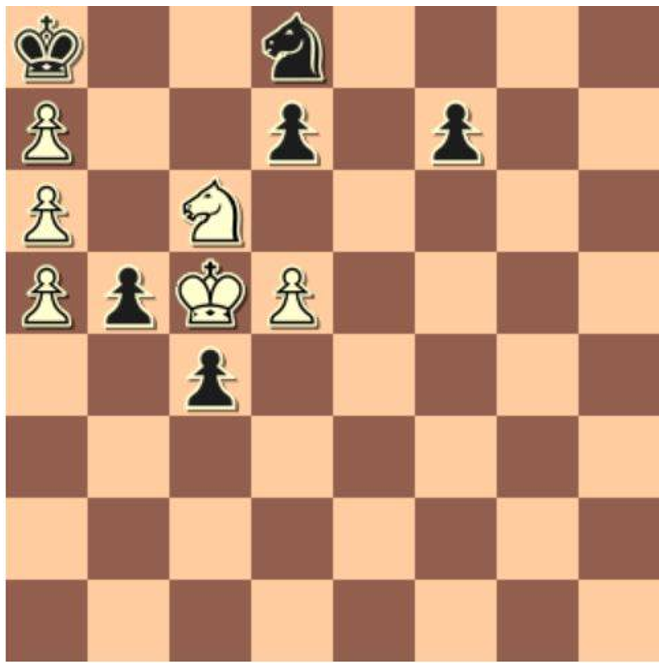
A Nice Little Combination

Although I have long retired from serious chess tournaments (they take too much time, a luxury...

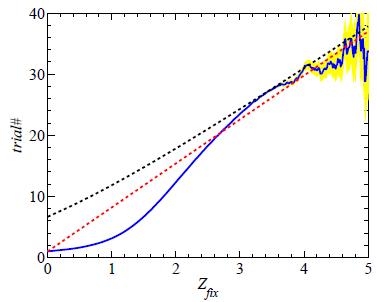
The Strange Case Of The Monotonous Running Average

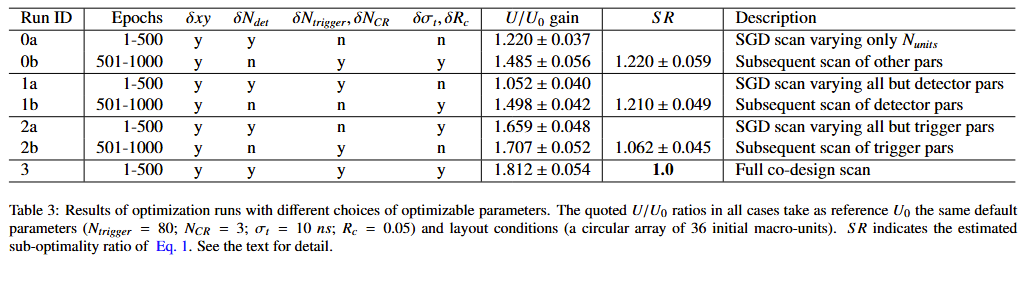
These days I am putting the finishing touches on a hybrid algorithm that optimizes a system (a...

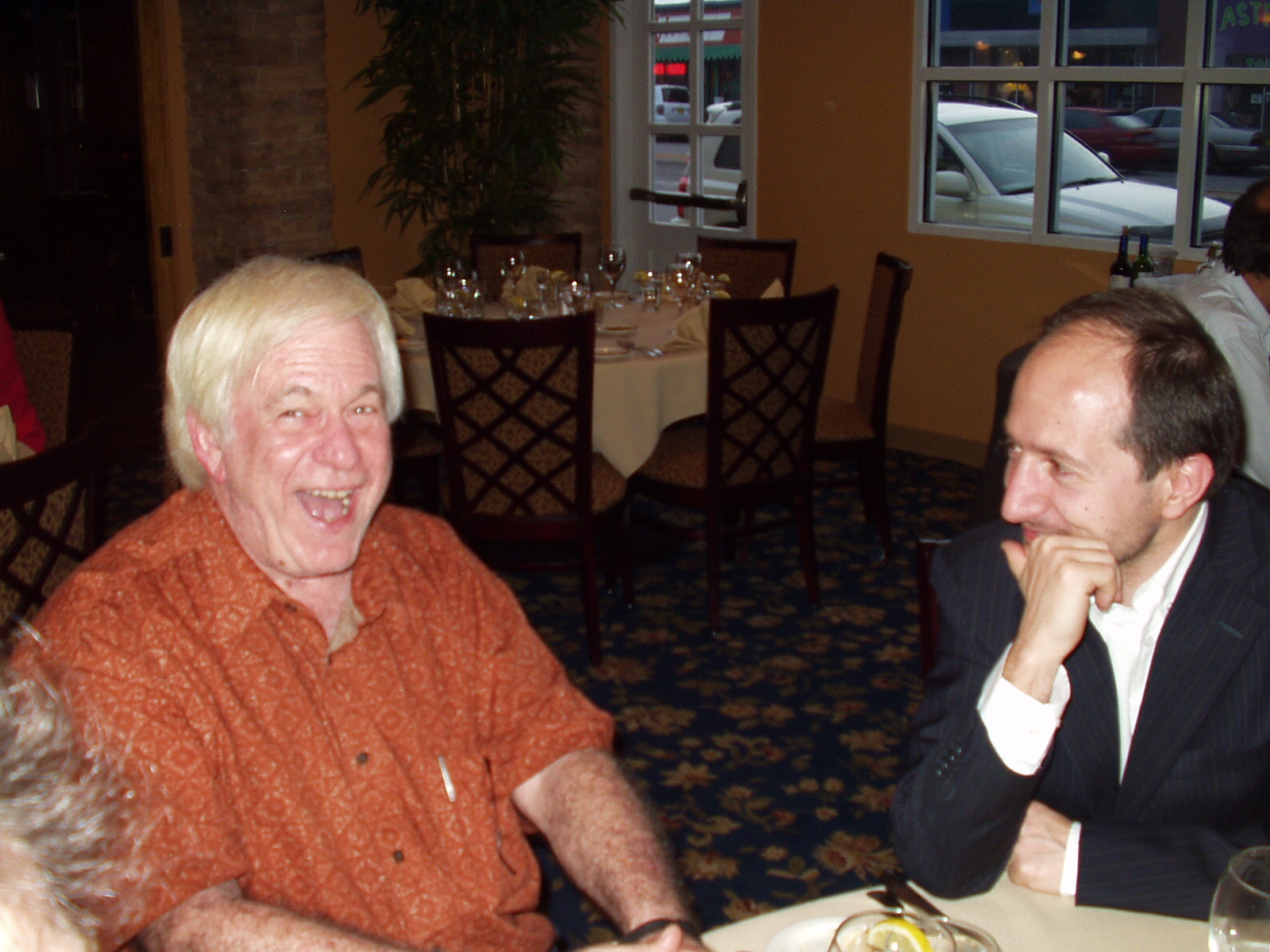
Turning 60

Strange how time goes by. And strange I would say that, since I know time does not flow, it is...

User picture.
picture for Hank Campbellpicture for Patrick Lockerbypicture for Heidi Hendersonpicture for Bente Lilja Byepicture for Sascha Vongehrpicture for Johannes Koelman
Tommaso DorigoRSS Feed of this column.

Tommaso Dorigo is an experimental particle physicist, who works for the INFN at the University of Padova, and collaborates with the CMS and the SWGO experiments. He is the president of the Read More »

Blogroll
I have written enough today about the topic of Higgs boson searches at the LHC by discussing the new ATLAS limits (see previous post), but I feel that, before going to bed, I need to point out the new results on the same topic by CMS, the competitor experiment. As you know, I work in CMS and I have to be twice as cautious when I write about the results of my own experiment, because some of my colleagues have uncovered nerves when it comes to blogs. However, the little I'll say here tonight should cause no discomfort to anybody.
Much awaited, the results of searches for the Higgs boson at the Large Hadron Collider have been released by the ATLAS collaboration, and are being shown at the Lepton-Photon conference in Mumbay, India. I will provide here just the main results, with little commentary - I wish to let the cake cool down a bit before discussing the subject in detail, examining the various inputs.
In my latest instantiation of the "Guess the plot" series I offered a clipped part of a graph showing branching fractions of the Higgs boson. One of the readers made a comment which I was proud to read, since it showed that interested readers of this blog with no specialized education in particle physics can get to know quite a lot about the matter. I answered there more extensively than I do on average, and then I thought that the answer could be of some use to others to whom the thread had fallen out of the horizon. So I am recycling it here.
Like it or not, the Tevatron is going to shut down for good next month. This machine has provided us with tremendous new investigation power in the high-energy frontier of particle physics, and has led the research of hadronic collisions for over two decades. But all good things come to an end.
For this instance of my "Guess the plot" series I wish to go back to the basics. So I picked a graph which allows me to illustrate a general concept, something about particle physics (but we could say physics in general, and actually extending to other exact sciences) which is a source of endless awe for me: the fact that some functions exist, in the infinite-dimensional space of all real functions of a real variable, which describe some specific feature of our world.
Apologizing with those of you who feel they have had too little particle physics this week, I am reporting today after a longish pause on a new search performed by the CMS experiment, one which has some interesting features, at least to me.