The issue is not new. Scientific journals require articles to produce quantitative answers - of course, that's how you do science. And scientists usually rely on a formalism based on classical statistics to report those results: they report the probability of their data given some hypothesis.
P-values, that is.
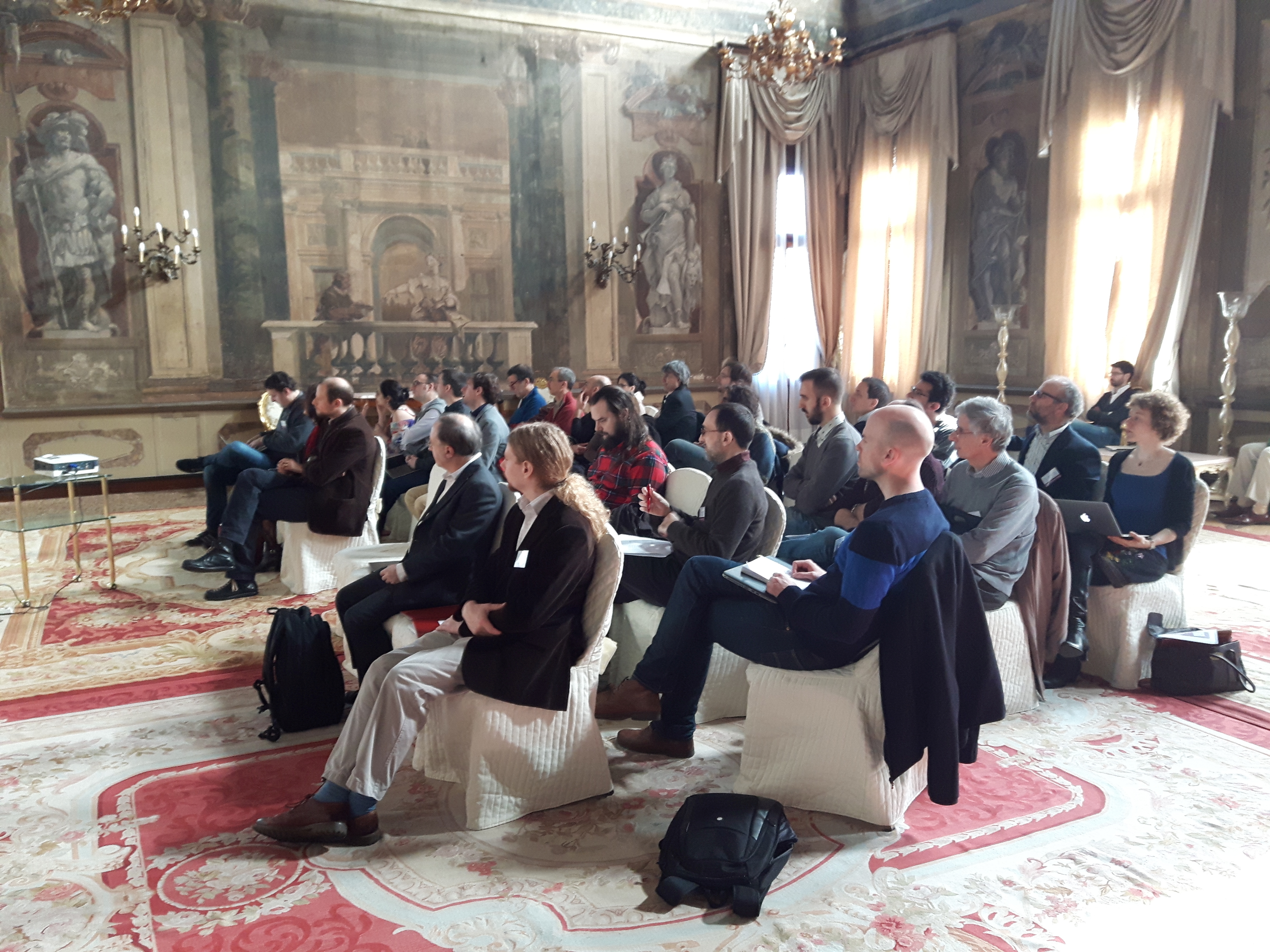
On March 3rd and 4th the
AMVA4NewPhysics network met in Venice, in the beautiful venue of Ca' Sagredo. Ca' Sagredo is a 500-year-old palace on the Canal Grande, home of the Sagredo family and in the 600s of Giambattista Sagredo, who hosted many times Galileo Galilei there. As for the AMVA4NewPhysics network, it is a "Innovative Training Network" of 16 research institutes, universities and industries that have joined forces to train young scientists in particle physics and the development of advanced multivariate-analysis tools.
How many phenomenological papers discussing the 750 GeV diphoton resonance have you read since December 15th 2015 ? I believe that having read none of them, or ten, does not make a big difference - you missed most of them anyways. In fact, I think the count has gone past 200 by now.
Do you know what a lucid dream is ? It is the experience of being aware of your asleep state during a dream. Lucid dreaming occurs during the REM phase of sleep, and it is usually created when, while dreaming, one suddenly realizes his or her dreaming state. The dream may then continue, but the individual has some degree of control over what happens. Laws of physics continue to not apply, of course, and one has the power of "writing the script", to some extent. In a sense, one's desires are the driver of the script.
One of the things I like the most when I do data analysis is to use "pure thought" to predict in advance the features of a probability density function of some observable quantity from the physical process I am studying. By doing that, one can try one's hand at demonstrating one's understanding of the details of the physics at play.


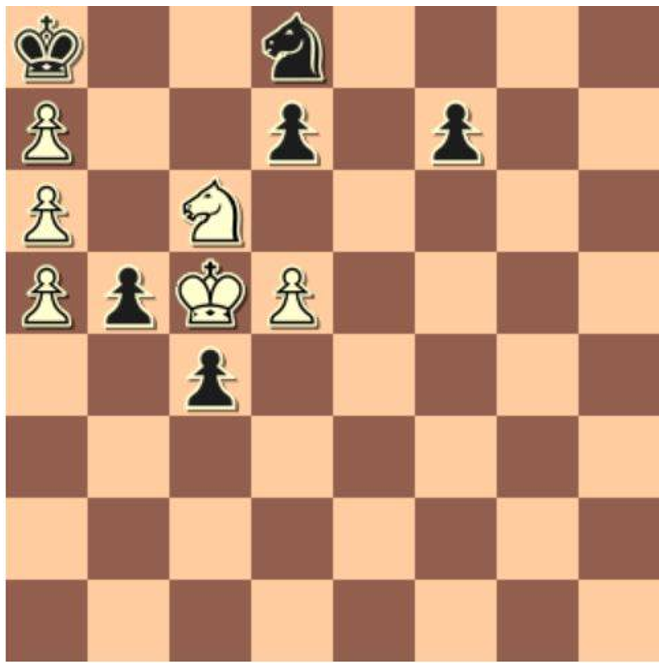 A Chess Study Requiring Backpropagation
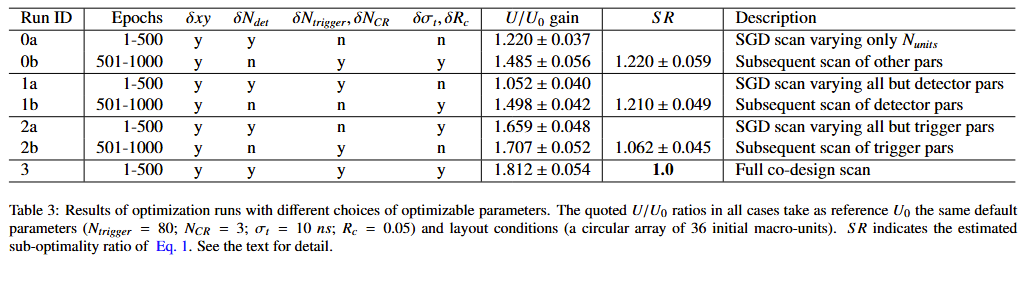 Co-Design Of Scientific Experiments
 Travel With Two Infants
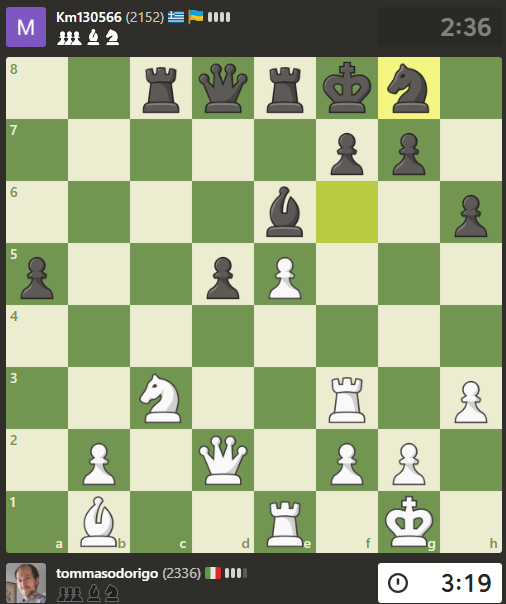 A Nice Little Combination