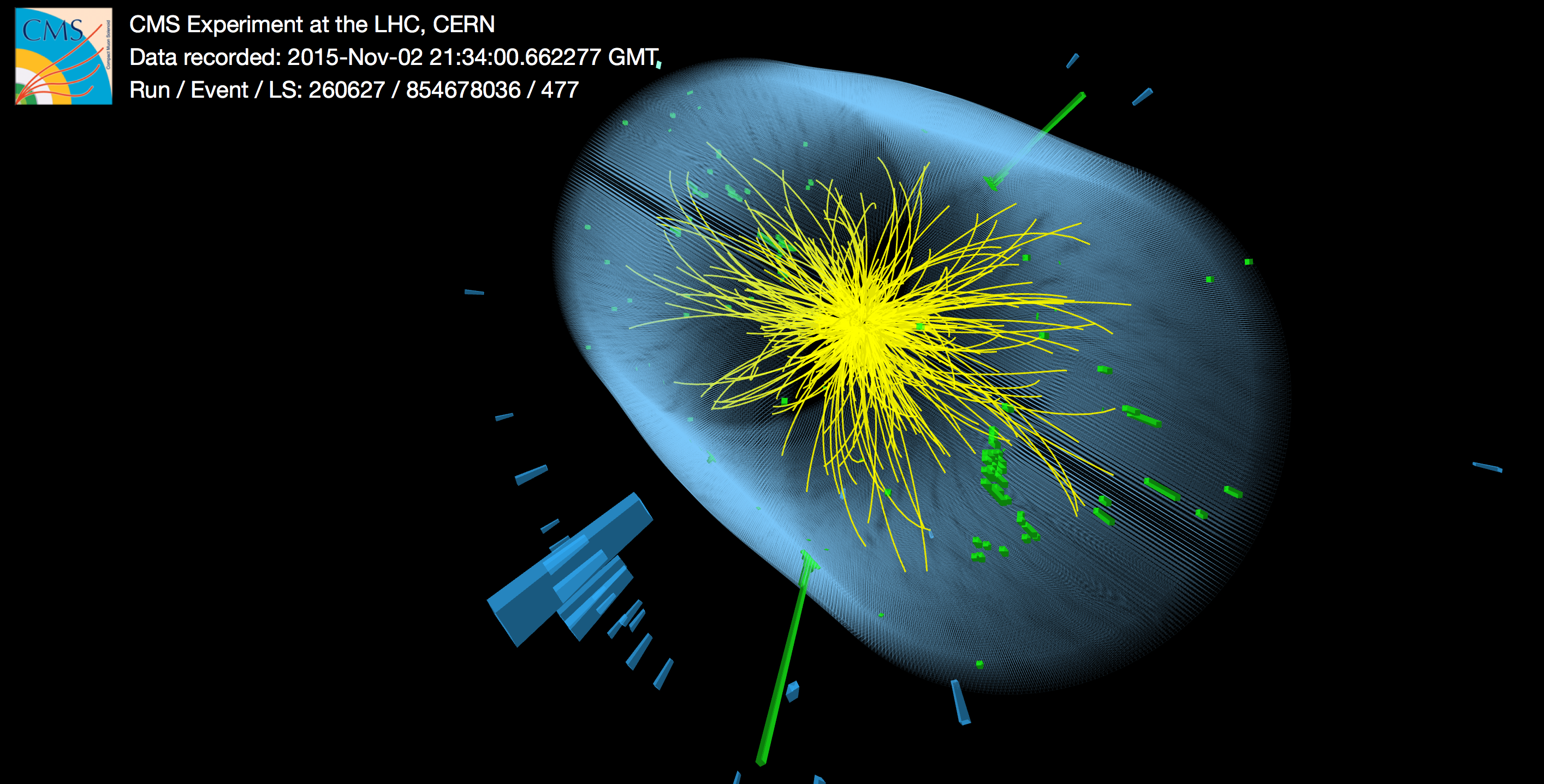
Marumi Kado started his talk by saying he will only present new results based on the full 2015 13 TeV pp collision dataset.
For Run 2 there have been a large number of improvements to the detector.
Also the trigger has been improved, with a new central trigger processor. Reconstruction software also was improved significantly.
Marumi spent a long time describing the retuning of the detector and the performance in reconstruction of impact parameters, physics objects, and the like. The physics modellinghas been verified in several control samples of dibosons, top pairs, etcetera.
Marumi shows that the Higgs signals in ATLAS are wanting. 0.7 sigma observed in 4-lepton mode, expected 2.8 sigma. Similar story in diphotons.
Jim Olsen is giving the CMS talk on 13 TeV results. CMS recorded 90% of the 4 inverse femtobarns delivered by the LHC, but only 2.8/fb were taken with the magnet at 3.8 Tesla (for the rest of the time the magnet was off due to a problem with the helium purity).
A plot of the dimuon invariant mass of 60,000,000 events collected by dimuon triggers was shown, which is a pleasure to watch. I will attach it here later.
CMS has 18 new searches for beyond-the-standard model effects. For objects with masses above 1 TeV the sensitivity of 2.2/fb of analyzed data may be larger than the sensitivity of 2012 data.
The diboson bump at 2 TeV is almost completely ruled out; so is the edge signal of SUSY that was seen in run 1 (a 2.6 sigma excess back then).
As most of you already know, today at 3PM two back-to-back talks by Jim Olsen (CMS) and Marumi Kado (ATLAS) at CERN will disclose the latest results of physics analyses performed on 13 TeV proton-proton collisions recorded this year by the two experiments. (To follow the talks see here).
Tomorrow at 2PM t
wo back-to-back talks by Jim Olsen and Marumi Kado at CERN will disclose the newest results of the CMS and ATLAS experiments, which will be based on the analysis of 2.5 to 4 inverse femtobarns of 13 TeV proton-proton collisions acquired by the experiments this year.
Why should you be interested ? Of course, because the year could end with a boom! Maybe the experiments have found evidence for something totally unexpected in their data. After all, 13 TeV is 63% more energy than 8 TeV.
As I am sure happens with many other human occupations, the job of a particle physicist proceeds in bursts of activity interspersed with periods of more relative calm. Deadlines must be met, and sometimes several of them overlap. The life of a physicist can get miserable for short periods of time, but after those end one usually looks back with satisfaction at the accomplishments.


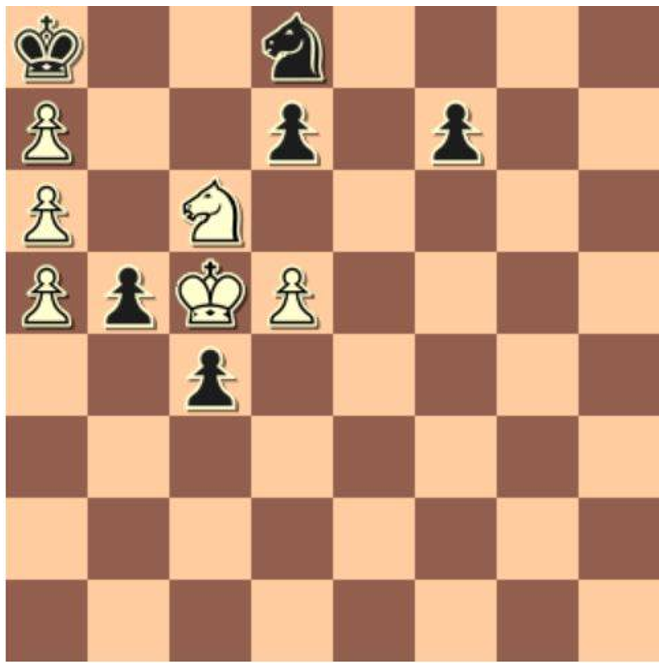 A Chess Study Requiring Backpropagation
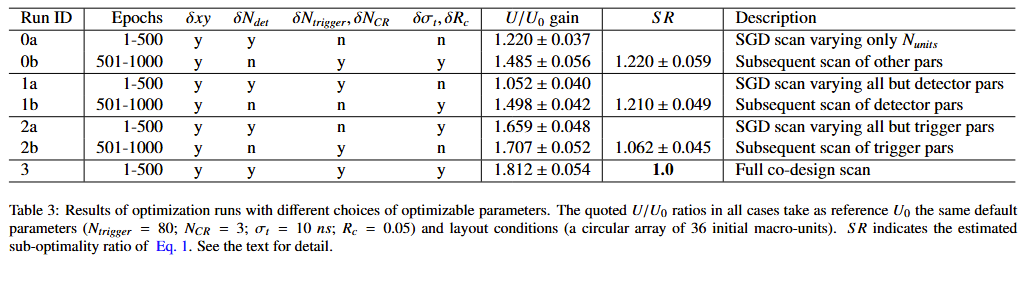 Co-Design Of Scientific Experiments
 Travel With Two Infants
 A Nice Little Combination